

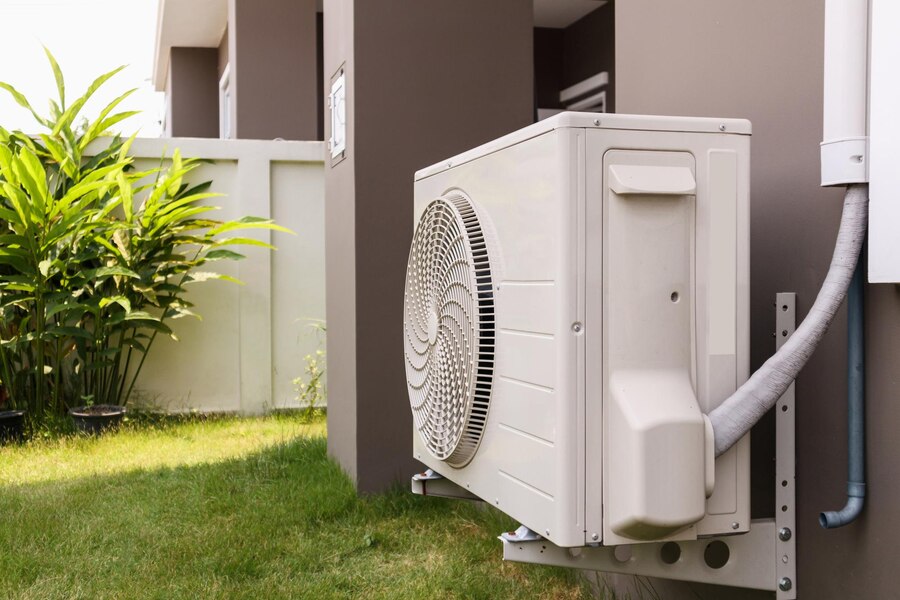
heat pump

Why Your Heat Pump Is Struggling To Cool Your Alvin Home During Extreme Heat

When the summer heat becomes extreme in Alvin, a heat pump that’s supposed to provide cool air can suddenly fall short. Homeowners notice the difference right away. Rooms feel warmer, and the system seems to be running all day without getting results. This usually points to an issue that requires attention before the heat pump gives out completely.

Heat pumps are built to work year-round, handling both cooling and heating. But when outdoor temperatures rise too high, even well-maintained systems can struggle to keep your home comfortable. If your heat pump is having a hard time doing its job during Alvin’s hottest months, there could be several causes behind it. Knowing what those issues are, and what signs to watch for, can help you address problems early and avoid discomfort inside your home.

How Heat Affects Heat Pump Efficiency

Heat pumps move heat from one place to another. In cooling mode, they pull heat from inside the home and release it outdoors. As outdoor temperatures climb, it becomes harder for the system to release that heat back into an already hot environment. This makes the system run longer to meet the set temperature indoors.

During long periods of extreme heat, a heat pump may run constantly, pushing itself harder than usual. Cooling becomes less effective, and some homeowners may notice that despite the system running, indoor comfort stays the same or gets worse. A few signs that your heat pump is under heat strain include:

– Warm or slightly cool air coming from the vents
– System running for long periods without cycling off
– Spike in energy bills with no change in usage habits
– Unusual noises coming from the outdoor unit

If your heat pump continues working under these conditions without relief, parts can begin to wear out faster. Long runtimes not only affect comfort but also lead to early breakdowns. The outdoor coil, the compressor, and the fan motor are some of the first components to feel the impact of extreme heat combined with extended use.

For example, one homeowner in Alvin noticed that their upstairs area remained hot even though the heat pump downstairs was cooling fine. The reason was a clogged filter that forced the upstairs unit to work overtime. Restricted airflow made the system lose performance during a week of 100-degree days. Problems like that can go unnoticed until conditions push the system to its limit. That’s why paying attention to changes during heat waves can help catch early signs of trouble.

Common Causes Of Heat Pump Struggles In Extreme Heat

A heat pump that’s falling behind during high temperatures may be telling you something is wrong behind the scenes. These are some of the most common reasons a unit might lose its ability to cool effectively during Alvin’s hottest season:

1. Insufficient Refrigerant Levels

Refrigerant is what carries heat out of your home. If levels drop too low, the heat transfer process becomes less effective. This might happen because of a leak, wear and tear, or poor airflow that causes frost to form around coils. A lack of refrigerant forces the compressor to work harder and less efficiently.

2. Dirty Filters and Coils

Air filters catch dust, hair, and other debris. If they get clogged, they block airflow and make it hard for your system to breathe. Dirty coils can’t release heat the way they should, which causes warm air to stay inside. Cleaning or replacing filters regularly is a simple and effective way to reduce this strain.

3. Poor Insulation or Leaky Ductwork

Sometimes, the problem isn’t the heat pump at all. Poor insulation or holes in ductwork allow cool air to leak out before it reaches the rooms where it’s needed. In extreme heat, these losses become more noticeable since the system works harder to overcome them.

4. Oversized or Undersized System

If your heat pump is too large or too small for your home, it will struggle with temperature control. Systems that are too small can’t keep up, especially on hotter days. Ones that are too large may cool rooms unevenly or shut off before removing moisture, which makes the air feel warmer than it actually is.

All of these issues lead to longer runtimes, poor cooling, and discomfort—especially during Alvin’s hottest weeks of the year. Tackling these problems early can prevent system failure and help your household stay cool.

Solutions To Improve Heat Pump Performance

Once you’ve identified what’s holding your heat pump back, the next step is to take action. During the hottest parts of the year in Alvin, even minor fixes can make a big difference in how well your system cools your home.

Routine upkeep goes a long way. Skipping regular maintenance increases the chance that clogged filters, dirty coils, or worn parts will lead to bigger problems. A few basic tasks can help your heat pump stay in better shape during extreme temperatures:

– Replace air filters every 1 to 3 months, depending on household conditions
– Clear away debris such as leaves and dirt around the outdoor unit
– Keep vents and air returns inside the home unblocked
– Check the system’s thermostat for accurate settings

Even if you’re taking care of these simple jobs, some issues require professional attention. Our professionals can inspect your system for low refrigerant, hidden leaks, damaged coils, or wear on the motor and compressor. A professional inspection helps catch problems that aren’t always visible, such as airflow restrictions or refrigerant line damage.

Another helpful step is checking your home’s insulation. Hot air can enter through attic spaces, walls, or poorly sealed doors and windows. If your ducts run through hot spaces like attics or garages and they’re not sealed properly, cooled air can escape before reaching your living spaces. Improving insulation or sealing duct leaks can help your system hold onto cool air and reduce its workload.

In many Alvin homes, homeowners don’t notice these issues until outdoor temperatures spike. Taking care of them ahead of a heat wave can make your cooling more effective and your home more comfortable.

Keeping Your Home Cool During Heat Waves

Even when your heat pump is operating normally, extreme heat can make a difference in indoor comfort. That’s why it helps to combine system performance upgrades with changes inside the home.

Simple improvements can ease the pressure on your heat pump:

– Keep blinds or curtains closed during the hottest parts of the day, especially on south- and west-facing windows
– Use ceiling fans or box fans to help circulate air
– Avoid using ovens or dryers during peak afternoon hours
– Ventilate naturally in early morning or late evening if it’s cooler outside

Thermostat settings make a big difference too. Many people think that setting the thermostat to a much lower number cools the house faster. In truth, heat pumps work more efficiently with small, gradual adjustments. For instance, adjusting from 78 to 76 degrees is more manageable than dropping to 70 all at once. These smaller steps help your system meet the set temperature without running all day.

If the second floor in your home is always warmer than the first, or the system seems constantly busy, it’s a sign that your system may be struggling to keep up. These symptoms often point to deeper airflow, sizing, or insulation problems that can be addressed before they get worse.

Reliable Comfort Starts With Regular Attention

Whether your heat pump is new or has served your home for years, it performs best with consistent care. Heat in Alvin can be intense, and systems that aren’t tuned properly can wear out quickly under those conditions.

Addressing low refrigerant, cleaning filters, and inspecting complex parts like the compressor early on can spare you costly repairs later. Improving insulation, sealing duct gaps, and making thoughtful changes to how you manage indoor heat can also go a long way in keeping things comfortable throughout summer.

If AC problems are ignored, they often grow. That may lead to expensive fixes or full replacements no homeowner wants in the middle of a heat wave. Acting early makes a big difference in system lifespan and home comfort. Heat pump repair in Alvin often starts with maintenance, early detection, and swift follow-through.

If your system isn’t cooling the way it should, look for signs and schedule service. It’s far easier to make small improvements now than fix a broken system later. With the right attention, your heat pump can stay strong and efficient all season long.

For reliable cooling during the peak of summer, Davis Mechanical Contractors recommends scheduling professional service so your heat pump can operate efficiently on even the hottest days. Homeowners can benefit from expert help with heat pump repair in Alvin to address any issues before they escalate. For a quick estimate or to book a service visit, please contact us today.
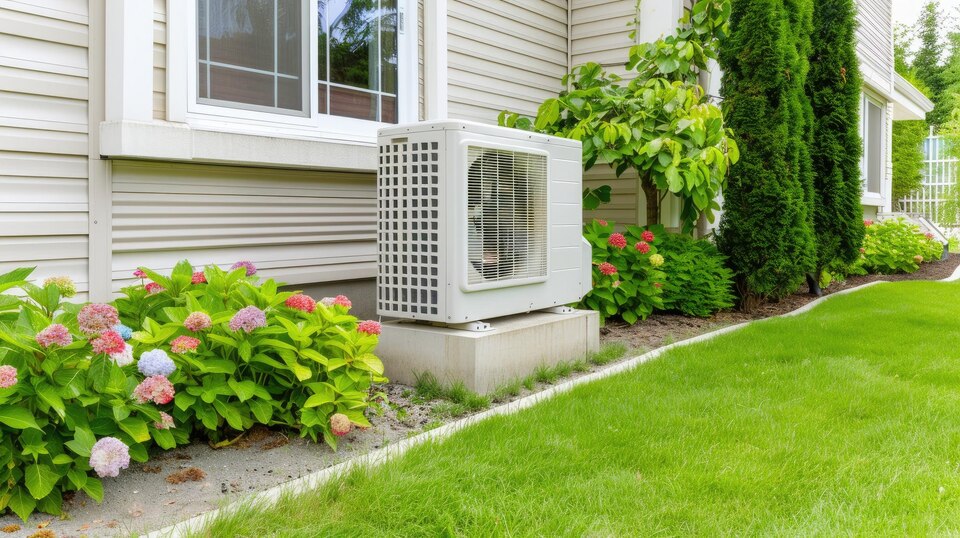
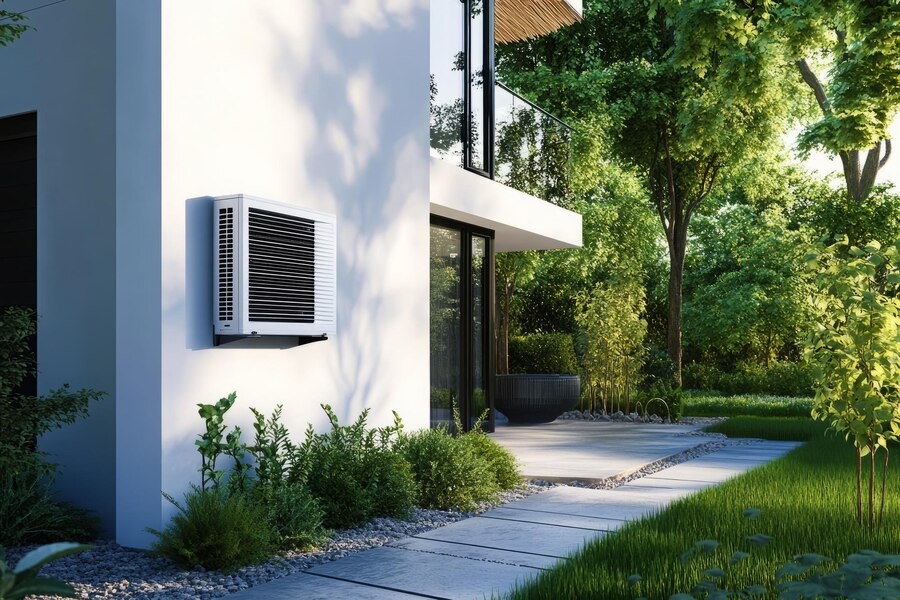
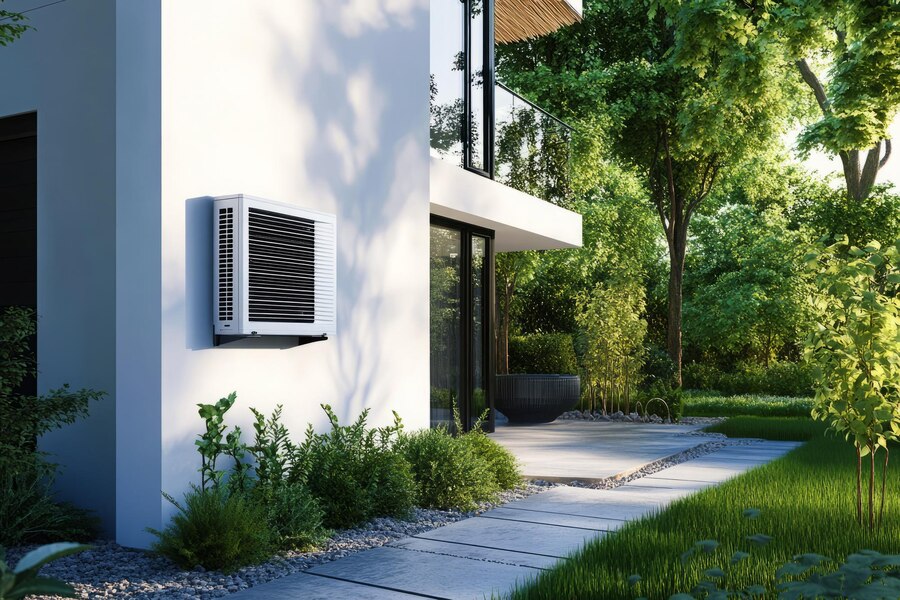
heat pump

Why Your Heat Pump Is Struggling To Cool Your Alvin Home During Extreme Heat

When the summer heat becomes extreme in Alvin, a heat pump that’s supposed to provide cool air can suddenly fall short. Homeowners notice the difference right away. Rooms feel warmer, and the system seems to be running all day without getting results. This usually points to an issue that requires attention before the heat pump gives out completely.

Heat pumps are built to work year-round, handling both cooling and heating. But when outdoor temperatures rise too high, even well-maintained systems can struggle to keep your home comfortable. If your heat pump is having a hard time doing its job during Alvin’s hottest months, there could be several causes behind it. Knowing what those issues are, and what signs to watch for, can help you address problems early and avoid discomfort inside your home.

How Heat Affects Heat Pump Efficiency

Heat pumps move heat from one place to another. In cooling mode, they pull heat from inside the home and release it outdoors. As outdoor temperatures climb, it becomes harder for the system to release that heat back into an already hot environment. This makes the system run longer to meet the set temperature indoors.

During long periods of extreme heat, a heat pump may run constantly, pushing itself harder than usual. Cooling becomes less effective, and some homeowners may notice that despite the system running, indoor comfort stays the same or gets worse. A few signs that your heat pump is under heat strain include:

– Warm or slightly cool air coming from the vents
– System running for long periods without cycling off
– Spike in energy bills with no change in usage habits
– Unusual noises coming from the outdoor unit

If your heat pump continues working under these conditions without relief, parts can begin to wear out faster. Long runtimes not only affect comfort but also lead to early breakdowns. The outdoor coil, the compressor, and the fan motor are some of the first components to feel the impact of extreme heat combined with extended use.

For example, one homeowner in Alvin noticed that their upstairs area remained hot even though the heat pump downstairs was cooling fine. The reason was a clogged filter that forced the upstairs unit to work overtime. Restricted airflow made the system lose performance during a week of 100-degree days. Problems like that can go unnoticed until conditions push the system to its limit. That’s why paying attention to changes during heat waves can help catch early signs of trouble.

Common Causes Of Heat Pump Struggles In Extreme Heat

A heat pump that’s falling behind during high temperatures may be telling you something is wrong behind the scenes. These are some of the most common reasons a unit might lose its ability to cool effectively during Alvin’s hottest season:

1. Insufficient Refrigerant Levels

Refrigerant is what carries heat out of your home. If levels drop too low, the heat transfer process becomes less effective. This might happen because of a leak, wear and tear, or poor airflow that causes frost to form around coils. A lack of refrigerant forces the compressor to work harder and less efficiently.

2. Dirty Filters and Coils

Air filters catch dust, hair, and other debris. If they get clogged, they block airflow and make it hard for your system to breathe. Dirty coils can’t release heat the way they should, which causes warm air to stay inside. Cleaning or replacing filters regularly is a simple and effective way to reduce this strain.

3. Poor Insulation or Leaky Ductwork

Sometimes, the problem isn’t the heat pump at all. Poor insulation or holes in ductwork allow cool air to leak out before it reaches the rooms where it’s needed. In extreme heat, these losses become more noticeable since the system works harder to overcome them.

4. Oversized or Undersized System

If your heat pump is too large or too small for your home, it will struggle with temperature control. Systems that are too small can’t keep up, especially on hotter days. Ones that are too large may cool rooms unevenly or shut off before removing moisture, which makes the air feel warmer than it actually is.

All of these issues lead to longer runtimes, poor cooling, and discomfort—especially during Alvin’s hottest weeks of the year. Tackling these problems early can prevent system failure and help your household stay cool.

Solutions To Improve Heat Pump Performance

Once you’ve identified what’s holding your heat pump back, the next step is to take action. During the hottest parts of the year in Alvin, even minor fixes can make a big difference in how well your system cools your home.

Routine upkeep goes a long way. Skipping regular maintenance increases the chance that clogged filters, dirty coils, or worn parts will lead to bigger problems. A few basic tasks can help your heat pump stay in better shape during extreme temperatures:

– Replace air filters every 1 to 3 months, depending on household conditions
– Clear away debris such as leaves and dirt around the outdoor unit
– Keep vents and air returns inside the home unblocked
– Check the system’s thermostat for accurate settings

Even if you’re taking care of these simple jobs, some issues require professional attention. Our professionals can inspect your system for low refrigerant, hidden leaks, damaged coils, or wear on the motor and compressor. A professional inspection helps catch problems that aren’t always visible, such as airflow restrictions or refrigerant line damage.

Another helpful step is checking your home’s insulation. Hot air can enter through attic spaces, walls, or poorly sealed doors and windows. If your ducts run through hot spaces like attics or garages and they’re not sealed properly, cooled air can escape before reaching your living spaces. Improving insulation or sealing duct leaks can help your system hold onto cool air and reduce its workload.

In many Alvin homes, homeowners don’t notice these issues until outdoor temperatures spike. Taking care of them ahead of a heat wave can make your cooling more effective and your home more comfortable.

Keeping Your Home Cool During Heat Waves

Even when your heat pump is operating normally, extreme heat can make a difference in indoor comfort. That’s why it helps to combine system performance upgrades with changes inside the home.

Simple improvements can ease the pressure on your heat pump:

– Keep blinds or curtains closed during the hottest parts of the day, especially on south- and west-facing windows
– Use ceiling fans or box fans to help circulate air
– Avoid using ovens or dryers during peak afternoon hours
– Ventilate naturally in early morning or late evening if it’s cooler outside

Thermostat settings make a big difference too. Many people think that setting the thermostat to a much lower number cools the house faster. In truth, heat pumps work more efficiently with small, gradual adjustments. For instance, adjusting from 78 to 76 degrees is more manageable than dropping to 70 all at once. These smaller steps help your system meet the set temperature without running all day.

If the second floor in your home is always warmer than the first, or the system seems constantly busy, it’s a sign that your system may be struggling to keep up. These symptoms often point to deeper airflow, sizing, or insulation problems that can be addressed before they get worse.

Reliable Comfort Starts With Regular Attention

Whether your heat pump is new or has served your home for years, it performs best with consistent care. Heat in Alvin can be intense, and systems that aren’t tuned properly can wear out quickly under those conditions.

Addressing low refrigerant, cleaning filters, and inspecting complex parts like the compressor early on can spare you costly repairs later. Improving insulation, sealing duct gaps, and making thoughtful changes to how you manage indoor heat can also go a long way in keeping things comfortable throughout summer.

If AC problems are ignored, they often grow. That may lead to expensive fixes or full replacements no homeowner wants in the middle of a heat wave. Acting early makes a big difference in system lifespan and home comfort. Heat pump repair in Alvin often starts with maintenance, early detection, and swift follow-through.

If your system isn’t cooling the way it should, look for signs and schedule service. It’s far easier to make small improvements now than fix a broken system later. With the right attention, your heat pump can stay strong and efficient all season long.

For reliable cooling during the peak of summer, Davis Mechanical Contractors recommends scheduling professional service so your heat pump can operate efficiently on even the hottest days. Homeowners can benefit from expert help with heat pump repair in Alvin to address any issues before they escalate. For a quick estimate or to book a service visit, please contact us today.
heat pump

Is Your Outdoor AC Unit Making Buzzing Sounds In Alvin: Common Causes Explained

Hearing a buzzing sound coming from your outdoor AC unit in Alvin can be both irritating and unsettling. On a hot summer day when you’re trying to keep cool inside, the last thing you want is a noisy system signaling that something’s not right. While some AC noise is normal during operation, a buzzing sound that doesn’t go away or gets louder often points to a problem that needs attention.

Ignoring that kind of sound can lead to bigger and more expensive issues. Whether it’s a worn part, something lodged in the fan, or an electrical fault, these noises usually mean something is out of balance. It’s best to understand what might be going wrong so you can act before the problem gets worse. Below are some of the most common reasons your outdoor AC unit starts buzzing and what they could mean.

Common Causes of a Buzzing Outdoor AC Unit

There are several reasons why an AC unit in Alvin might begin buzzing during operation. It often points to a mechanical or electrical fault, but it could also be something as simple as debris. Some problems are minor, while others can be more serious if left unchecked. Here are a few common causes:

– Loose Parts: Screws, panels, or brackets inside your AC can come loose over time. When they rattle, especially during startup or shutdown, the result is a buzzing or vibrating sound. These parts might not stop your unit from cooling at first, but over time they can cause wear and tear to more expensive components.

– Debris in the Unit: Leaves, sticks, gravel, or even insects can get caught inside the outdoor unit. When the fan blades try to spin, they may knock into one of these obstructions. That creates a steady buzzing or rattling sound each time the blades pass. If the debris is not cleared quickly, it can damage the fan motor or blades.

– Electrical Issues: Faulty wiring, a bad capacitor, or worn-out contactor parts can all create a buzzing noise. When electrical parts are not maintaining the proper flow of current, they can vibrate or spark. This kind of issue needs fast attention, as some electrical problems can cause performance loss or even pose a safety risk.

– Failing Compressor: The compressor is the heart of your AC system, and it works hard every summer to keep your home cool. When it is starting to wear out, it may buzz while struggling to start. These noises often come just before the system shows other signs of trouble, like weak airflow or increased cycling.

One example many Alvin homeowners can relate to is running the AC on a sunny afternoon, only to step outside and hear a steady buzzing from the condenser. At first, it blends in with the rest of the afternoon sounds. But within a week, cooling is weaker indoors, and the noise outside gets louder. That gradual shift is a telltale sign the buzzing is a real issue, not background noise.

How to Address Buzzing Sounds from Your Outdoor AC Unit

If your outdoor AC unit in Alvin starts buzzing, there are several steps you can take to identify where the sound is coming from and what it might mean. It is smart to catch these issues early to prevent them from turning into major service calls.

Start by turning off the power to your AC before inspecting anything. This ensures your safety and protects the equipment.

– Inspect for Loose Screws or Panels: Vibration from daily operation can shake screws and fasteners loose over time. Gently press on the access panels or fan guard. If something moves or rattles, it could be your source of buzzing.

– Clear Out Debris: Take a look inside the unit through the grilles. Leaves, sticks, or even small rocks can work their way in, especially after mowing or stormy weather. Anything that bumps into the fan as it runs will make noise and might lead to damage.

– Check Electrical Components (If Visible and Safe): If you are trained or familiar with basic electrical safety, you can look at visible components like the contactor or capacitor for signs of burning, bulging, or corrosion. But if you are unsure, it is better to leave this to our technicians.

– Watch for Compressor Struggles: A compressor that tries to start but fails may make a short, loud buzz. These usually happen during start-up and could be a sign the compressor is drawing high current or facing internal problems.

Buzzing that continues even after clearing debris or tightening parts usually means there’s a deeper issue. If the noise gets worse, happens more often, or appears alongside other symptoms like reduced airflow or inconsistent cooling, do not wait to get it checked.

Preventative Measures to Avoid Buzzing Sounds

There is no way to prevent all AC problems, but a few good habits can lower the chance of hearing buzzing sounds again.

1. Stick to a Maintenance Schedule: Getting your AC checked before every cooling season helps catch wear and tear early. A scheduled tune-up includes inspecting electrical components, tightening connections, and cleaning coils, all of which help reduce buzzing and other noises.

2. Keep Plant Growth and Yard Debris Away: Trim bushes and clear grass clippings near the outdoor unit. A two-foot clearance around the unit gives it space to breathe and keeps yard debris from slipping through the vents or building up inside.

3. Schedule Professional Inspections Once a Year: Let our professionals give the unit a full inspection. They will be able to check capacitor health, inspect compressor performance, and review wiring for signs of pressure or overheating that might slip by in a basic check.

One homeowner in Alvin had a unit that buzzed for months before giving out during a streak of triple-digit temperatures. The problem turned out to be a worn capacitor and a loose mounting bracket that had worked themselves worse over time. A tune-up in the spring could have caught both. It is a simple story, but one that plays out more often than many people realize.

Ensure Quiet and Efficient Operation for Your AC

Even a minor buzzing noise should be taken seriously when it comes from your outdoor AC unit. These sounds often signal the start of wear and tear or a part that is not working the way it should. When ignored, small noises turn into big breakdowns that cost more and take longer to fix.

By taking the time to check for loose parts or debris and scheduling regular service, you cut down on risk and help your AC run quieter and more efficiently. Cooling should be silent, smooth, and reliable. If it is not, then it is time to act before it becomes a comfort problem in your home.

If you’re dealing with persistent buzzing sounds from your outdoor AC unit and want to prevent further issues, AC repair in Alvin can help keep your system running smoothly. Davis Mechanical Contractors is here to support you with experienced professionals who can quickly pinpoint and resolve the problem so you avoid bigger repairs later. For a quick estimate or to schedule service, please contact us today.

heat pump

Is Your Outdoor AC Unit Making Buzzing Sounds In Alvin: Common Causes Explained

Hearing a buzzing sound coming from your outdoor AC unit in Alvin can be both irritating and unsettling. On a hot summer day when you’re trying to keep cool inside, the last thing you want is a noisy system signaling that something’s not right. While some AC noise is normal during operation, a buzzing sound that doesn’t go away or gets louder often points to a problem that needs attention.

Ignoring that kind of sound can lead to bigger and more expensive issues. Whether it’s a worn part, something lodged in the fan, or an electrical fault, these noises usually mean something is out of balance. It’s best to understand what might be going wrong so you can act before the problem gets worse. Below are some of the most common reasons your outdoor AC unit starts buzzing and what they could mean.

Common Causes of a Buzzing Outdoor AC Unit

There are several reasons why an AC unit in Alvin might begin buzzing during operation. It often points to a mechanical or electrical fault, but it could also be something as simple as debris. Some problems are minor, while others can be more serious if left unchecked. Here are a few common causes:

– Loose Parts: Screws, panels, or brackets inside your AC can come loose over time. When they rattle, especially during startup or shutdown, the result is a buzzing or vibrating sound. These parts might not stop your unit from cooling at first, but over time they can cause wear and tear to more expensive components.

– Debris in the Unit: Leaves, sticks, gravel, or even insects can get caught inside the outdoor unit. When the fan blades try to spin, they may knock into one of these obstructions. That creates a steady buzzing or rattling sound each time the blades pass. If the debris is not cleared quickly, it can damage the fan motor or blades.

– Electrical Issues: Faulty wiring, a bad capacitor, or worn-out contactor parts can all create a buzzing noise. When electrical parts are not maintaining the proper flow of current, they can vibrate or spark. This kind of issue needs fast attention, as some electrical problems can cause performance loss or even pose a safety risk.

– Failing Compressor: The compressor is the heart of your AC system, and it works hard every summer to keep your home cool. When it is starting to wear out, it may buzz while struggling to start. These noises often come just before the system shows other signs of trouble, like weak airflow or increased cycling.

One example many Alvin homeowners can relate to is running the AC on a sunny afternoon, only to step outside and hear a steady buzzing from the condenser. At first, it blends in with the rest of the afternoon sounds. But within a week, cooling is weaker indoors, and the noise outside gets louder. That gradual shift is a telltale sign the buzzing is a real issue, not background noise.

How to Address Buzzing Sounds from Your Outdoor AC Unit

If your outdoor AC unit in Alvin starts buzzing, there are several steps you can take to identify where the sound is coming from and what it might mean. It is smart to catch these issues early to prevent them from turning into major service calls.

Start by turning off the power to your AC before inspecting anything. This ensures your safety and protects the equipment.

– Inspect for Loose Screws or Panels: Vibration from daily operation can shake screws and fasteners loose over time. Gently press on the access panels or fan guard. If something moves or rattles, it could be your source of buzzing.

– Clear Out Debris: Take a look inside the unit through the grilles. Leaves, sticks, or even small rocks can work their way in, especially after mowing or stormy weather. Anything that bumps into the fan as it runs will make noise and might lead to damage.

– Check Electrical Components (If Visible and Safe): If you are trained or familiar with basic electrical safety, you can look at visible components like the contactor or capacitor for signs of burning, bulging, or corrosion. But if you are unsure, it is better to leave this to our technicians.

– Watch for Compressor Struggles: A compressor that tries to start but fails may make a short, loud buzz. These usually happen during start-up and could be a sign the compressor is drawing high current or facing internal problems.

Buzzing that continues even after clearing debris or tightening parts usually means there’s a deeper issue. If the noise gets worse, happens more often, or appears alongside other symptoms like reduced airflow or inconsistent cooling, do not wait to get it checked.

Preventative Measures to Avoid Buzzing Sounds

There is no way to prevent all AC problems, but a few good habits can lower the chance of hearing buzzing sounds again.

1. Stick to a Maintenance Schedule: Getting your AC checked before every cooling season helps catch wear and tear early. A scheduled tune-up includes inspecting electrical components, tightening connections, and cleaning coils, all of which help reduce buzzing and other noises.

2. Keep Plant Growth and Yard Debris Away: Trim bushes and clear grass clippings near the outdoor unit. A two-foot clearance around the unit gives it space to breathe and keeps yard debris from slipping through the vents or building up inside.

3. Schedule Professional Inspections Once a Year: Let our professionals give the unit a full inspection. They will be able to check capacitor health, inspect compressor performance, and review wiring for signs of pressure or overheating that might slip by in a basic check.

One homeowner in Alvin had a unit that buzzed for months before giving out during a streak of triple-digit temperatures. The problem turned out to be a worn capacitor and a loose mounting bracket that had worked themselves worse over time. A tune-up in the spring could have caught both. It is a simple story, but one that plays out more often than many people realize.

Ensure Quiet and Efficient Operation for Your AC

Even a minor buzzing noise should be taken seriously when it comes from your outdoor AC unit. These sounds often signal the start of wear and tear or a part that is not working the way it should. When ignored, small noises turn into big breakdowns that cost more and take longer to fix.

By taking the time to check for loose parts or debris and scheduling regular service, you cut down on risk and help your AC run quieter and more efficiently. Cooling should be silent, smooth, and reliable. If it is not, then it is time to act before it becomes a comfort problem in your home.

If you’re dealing with persistent buzzing sounds from your outdoor AC unit and want to prevent further issues, AC repair in Alvin can help keep your system running smoothly. Davis Mechanical Contractors is here to support you with experienced professionals who can quickly pinpoint and resolve the problem so you avoid bigger repairs later. For a quick estimate or to schedule service, please contact us today.

ac leak

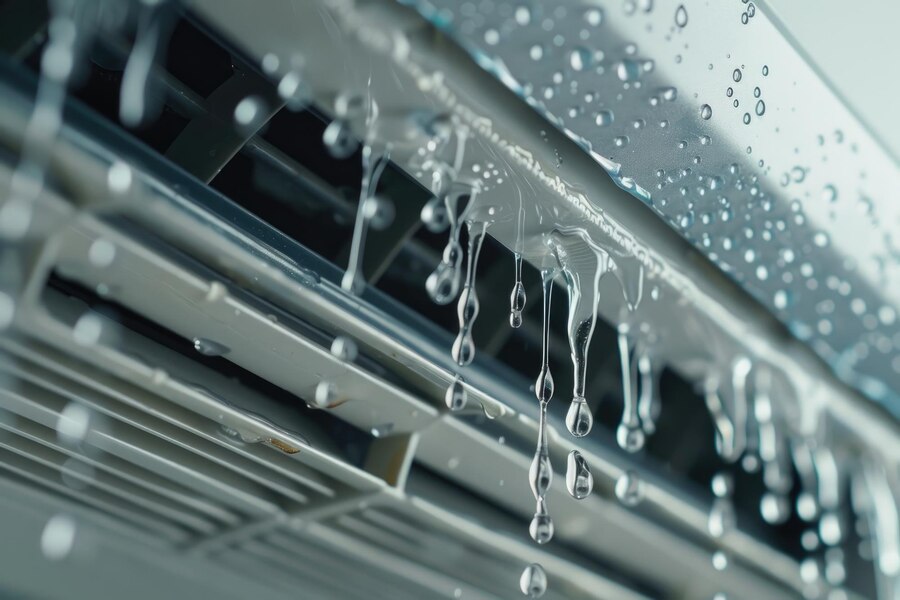
Why Is My AC Leaking Water Inside My Alvin Home?

There’s nothing worse than coming home on a hot day in Alvin and finding your AC dripping water all over the floor. You expect cool air, not puddles around your vents or soggy spots on the ceiling. It’s frustrating, and it can cause a lot of damage before you even realize there’s a problem. If your AC is leaking water inside, it’s not normal, and it’s definitely not something to ignore.

This kind of issue doesn’t mean your whole system is ruined, but it’s a sign that something inside needs attention. Whether it’s a blocked part or a mechanical problem, water where it doesn’t belong can lead to mold, damaged walls or floors, and uncomfortable indoor temps. The good news is that most causes of leaking can be found and fixed before it gets that far. Here’s how to spot what might be going on and understand why it needs to be handled quickly.

Understanding Why Your AC Is Leaking Water

Your AC system pulls heat and moisture from your indoor air. As it does that, the moisture turns into liquid and runs down a drain line. When that line is clear and everything’s working right, you’ll never even notice it happening. The water gets carried out of the house, and you’re left with nice, dry, cool air. But when part of that process breaks down, the water can back up or drip in places you don’t want.

Some of the most common reasons an AC leaks water inside a home include:

– Clogged condensate drain lines: Over time, dust, dirt, and algae can build up inside the drain line. When that happens, the water the AC pulls out of the air has nowhere to go and starts to leak inside instead.

– Dirty air filters: When air can’t flow freely through the system, it puts extra strain on the coil, which can get too cold. That causes ice to form on the surface, and when it melts, you may find water under the unit or dripping down walls.

– Low refrigerant: Not having enough refrigerant can also make the coil too cold and freeze over. This doesn’t just lead to leaking, it can keep your AC from cooling at all.

– Rusted or cracked drain pan: If the pan that’s supposed to catch the water under the unit is damaged, that water ends up on your floor, not down the drain.

– Loose or disconnected drain lines: If parts get knocked loose, water that’s supposed to drain outside might end up leaking right around the unit.

Here’s an example. A homeowner in Alvin thought their AC was just sweating from the summer heat outside. They started noticing dark spots on the ceiling below the attic unit but didn’t think much of it. Turns out, their AC’s drain line had clogged and backed up enough to overflow the pan. The result was water damage in the ceiling and a repair bill that could’ve been smaller if caught earlier.

Leaking water might seem small at first. But the longer it goes unchecked, the more problems it can cause. Knowing what to look for and acting early keeps those minor issues from turning into serious damage.

Signs That Your AC Needs Attention

If you’re not sure whether the water around your AC is a problem or just normal condensation, a few warning signs can help clear things up. Your AC shouldn’t leak inside—period. The sooner you catch these red flags, the better.

Watch out for signs like:

– Water dripping from ceiling vents
– Puddles or wet spots around your AC unit
– Stains or bubbling paint on walls or ceilings
– Musty or mildew smells that won’t go away
– Warm air coming through the vents when the AC is on
– Ice forming on refrigerant lines or inside the air handler

Some of these signs might come and go, especially early on. You might wipe up a puddle only for it to be back the next day. Or the air might feel damp and sticky even with the system running. These are your AC’s way of telling you something’s wrong and it needs to be checked out. Ignoring them could lead to more expensive repairs or even mold growth in places you don’t see.

If your home in Alvin smells off, your floors feel damp, or you’re constantly adjusting the thermostat without feeling a difference, your AC may be leaking water—and it’s time to take action.

Immediate Actions to Take When You Notice a Leak

Spotting water around your AC can be a little shocking, but don’t panic. While it needs professional attention, there are a few things you can do right away to prevent the problem from getting worse. These steps won’t fix the root cause, but they help lower the risk of water damage while you wait for actual repairs.

Here’s what to do if you notice your AC leaking inside your home:

1. Turn off the AC at the thermostat. Shutting the unit down helps stop any more water from building up while you sort out the problem.

2. Soak up visible water with towels or a wet-dry vacuum. The sooner you get that moisture off your floors or walls, the better your chances of avoiding damage like warping or staining.

3. Check the air filter. A badly clogged filter can block airflow and cause freezing. If the filter is dirty, you can remove it, but wait for a technician’s help before trying to install a new one.

4. Stay away from electrical components. If there’s water dripping near outlets or wiring, don’t touch anything. Call a professional and explain exactly what you’re seeing.

5. Clear the area. Move any nearby furniture, rugs, or electronics away from the wet spot so they don’t end up damaged or moldy.

One family in Alvin quickly wiped up a small puddle near their unit and thought nothing of it. By the next day, the puddle was back, and bigger. Because they didn’t act on it right away, the water ended up seeping under their floorboards. In the end, the repair could have been handled simply, but instead turned into a full flooring replacement. If there’s water involved, it’s better to act fast.

Why You Need AC Repair in Alvin Without Delay

If your AC is leaking water inside, it’s rarely something you can solve by just waiting it out. These leaks almost always mean a part isn’t working the way it should, and ignoring it can leave your home uncomfortable, humid, and at risk for water damage.

The summers in Alvin can push your system hard. Even if the leak seems small now, hot days and long hours of run-time will only make the problem worse. And while it might be tempting to look for quick fixes or ignore it as long as the cold air is still blowing, moisture buildup can wreck ceilings, make floors unsafe, or cause mold growth behind walls.

This isn’t the type of repair you want to delay. Over time, leaks can lead to bigger component failures. That means a higher repair bill and potentially being stuck without cool air when you need it most. A repair today prevents breakdowns tomorrow.

Technicians have the proper tools and training to open the system safely, clear blockages, spot cracks or loose lines, and recharge refrigerant if needed. More than that, they can confirm if the issue is isolated or if there’s wear elsewhere in the system that should be addressed too. It’s not just about stopping the water, it’s about keeping your AC running the way it should for the rest of the summer.

Stay Cool and Dry in Alvin

A leaking AC might not seem like a big deal at first glance, but even a small amount of water inside your home can turn into a much larger problem. Whether it’s stains on your ceiling, damage to flooring, or just a home feeling muggy and off, these are all signs that your system isn’t working the right way.

The good news is, you don’t have to guess what’s wrong or let it get worse. With the right help, most leaks can be fixed quickly, and your system can be brought back to full power without permanent home damage or repeat headaches. When your comfort is at stake and the Alvin heat won’t slow down, staying ahead of AC trouble becomes even more important.

Keep an eye out for the signs, act when something seems off, and trust experienced professionals who know what to look for. That’s the best way to stay comfortable, safe, and cool all season long.

If you notice water pooling around your AC, it’s time to act before a small leak becomes a bigger problem; seasoned help can keep your home dry and comfortable. At Davis Mechanical Contractors, we understand that prompt attention can make all the difference when your cooling system isn’t operating its best. Rely on a specialist for AC repair in Alvin to assess the situation and restore your system’s performance. For a quick estimate or to book a service visit, please contact us today.
ac leak

Why Is My AC Leaking Water Inside My Alvin Home?

There’s nothing worse than coming home on a hot day in Alvin and finding your AC dripping water all over the floor. You expect cool air, not puddles around your vents or soggy spots on the ceiling. It’s frustrating, and it can cause a lot of damage before you even realize there’s a problem. If your AC is leaking water inside, it’s not normal, and it’s definitely not something to ignore.

This kind of issue doesn’t mean your whole system is ruined, but it’s a sign that something inside needs attention. Whether it’s a blocked part or a mechanical problem, water where it doesn’t belong can lead to mold, damaged walls or floors, and uncomfortable indoor temps. The good news is that most causes of leaking can be found and fixed before it gets that far. Here’s how to spot what might be going on and understand why it needs to be handled quickly.

Understanding Why Your AC Is Leaking Water

Your AC system pulls heat and moisture from your indoor air. As it does that, the moisture turns into liquid and runs down a drain line. When that line is clear and everything’s working right, you’ll never even notice it happening. The water gets carried out of the house, and you’re left with nice, dry, cool air. But when part of that process breaks down, the water can back up or drip in places you don’t want.

Some of the most common reasons an AC leaks water inside a home include:

– Clogged condensate drain lines: Over time, dust, dirt, and algae can build up inside the drain line. When that happens, the water the AC pulls out of the air has nowhere to go and starts to leak inside instead.

– Dirty air filters: When air can’t flow freely through the system, it puts extra strain on the coil, which can get too cold. That causes ice to form on the surface, and when it melts, you may find water under the unit or dripping down walls.

– Low refrigerant: Not having enough refrigerant can also make the coil too cold and freeze over. This doesn’t just lead to leaking, it can keep your AC from cooling at all.

– Rusted or cracked drain pan: If the pan that’s supposed to catch the water under the unit is damaged, that water ends up on your floor, not down the drain.

– Loose or disconnected drain lines: If parts get knocked loose, water that’s supposed to drain outside might end up leaking right around the unit.

Here’s an example. A homeowner in Alvin thought their AC was just sweating from the summer heat outside. They started noticing dark spots on the ceiling below the attic unit but didn’t think much of it. Turns out, their AC’s drain line had clogged and backed up enough to overflow the pan. The result was water damage in the ceiling and a repair bill that could’ve been smaller if caught earlier.

Leaking water might seem small at first. But the longer it goes unchecked, the more problems it can cause. Knowing what to look for and acting early keeps those minor issues from turning into serious damage.

Signs That Your AC Needs Attention

If you’re not sure whether the water around your AC is a problem or just normal condensation, a few warning signs can help clear things up. Your AC shouldn’t leak inside—period. The sooner you catch these red flags, the better.

Watch out for signs like:

– Water dripping from ceiling vents
– Puddles or wet spots around your AC unit
– Stains or bubbling paint on walls or ceilings
– Musty or mildew smells that won’t go away
– Warm air coming through the vents when the AC is on
– Ice forming on refrigerant lines or inside the air handler

Some of these signs might come and go, especially early on. You might wipe up a puddle only for it to be back the next day. Or the air might feel damp and sticky even with the system running. These are your AC’s way of telling you something’s wrong and it needs to be checked out. Ignoring them could lead to more expensive repairs or even mold growth in places you don’t see.

If your home in Alvin smells off, your floors feel damp, or you’re constantly adjusting the thermostat without feeling a difference, your AC may be leaking water—and it’s time to take action.

Immediate Actions to Take When You Notice a Leak

Spotting water around your AC can be a little shocking, but don’t panic. While it needs professional attention, there are a few things you can do right away to prevent the problem from getting worse. These steps won’t fix the root cause, but they help lower the risk of water damage while you wait for actual repairs.

Here’s what to do if you notice your AC leaking inside your home:

1. Turn off the AC at the thermostat. Shutting the unit down helps stop any more water from building up while you sort out the problem.

2. Soak up visible water with towels or a wet-dry vacuum. The sooner you get that moisture off your floors or walls, the better your chances of avoiding damage like warping or staining.

3. Check the air filter. A badly clogged filter can block airflow and cause freezing. If the filter is dirty, you can remove it, but wait for a technician’s help before trying to install a new one.

4. Stay away from electrical components. If there’s water dripping near outlets or wiring, don’t touch anything. Call a professional and explain exactly what you’re seeing.

5. Clear the area. Move any nearby furniture, rugs, or electronics away from the wet spot so they don’t end up damaged or moldy.

One family in Alvin quickly wiped up a small puddle near their unit and thought nothing of it. By the next day, the puddle was back, and bigger. Because they didn’t act on it right away, the water ended up seeping under their floorboards. In the end, the repair could have been handled simply, but instead turned into a full flooring replacement. If there’s water involved, it’s better to act fast.

Why You Need AC Repair in Alvin Without Delay

If your AC is leaking water inside, it’s rarely something you can solve by just waiting it out. These leaks almost always mean a part isn’t working the way it should, and ignoring it can leave your home uncomfortable, humid, and at risk for water damage.

The summers in Alvin can push your system hard. Even if the leak seems small now, hot days and long hours of run-time will only make the problem worse. And while it might be tempting to look for quick fixes or ignore it as long as the cold air is still blowing, moisture buildup can wreck ceilings, make floors unsafe, or cause mold growth behind walls.

This isn’t the type of repair you want to delay. Over time, leaks can lead to bigger component failures. That means a higher repair bill and potentially being stuck without cool air when you need it most. A repair today prevents breakdowns tomorrow.

Technicians have the proper tools and training to open the system safely, clear blockages, spot cracks or loose lines, and recharge refrigerant if needed. More than that, they can confirm if the issue is isolated or if there’s wear elsewhere in the system that should be addressed too. It’s not just about stopping the water, it’s about keeping your AC running the way it should for the rest of the summer.

Stay Cool and Dry in Alvin

A leaking AC might not seem like a big deal at first glance, but even a small amount of water inside your home can turn into a much larger problem. Whether it’s stains on your ceiling, damage to flooring, or just a home feeling muggy and off, these are all signs that your system isn’t working the right way.

The good news is, you don’t have to guess what’s wrong or let it get worse. With the right help, most leaks can be fixed quickly, and your system can be brought back to full power without permanent home damage or repeat headaches. When your comfort is at stake and the Alvin heat won’t slow down, staying ahead of AC trouble becomes even more important.

Keep an eye out for the signs, act when something seems off, and trust experienced professionals who know what to look for. That’s the best way to stay comfortable, safe, and cool all season long.

If you notice water pooling around your AC, it’s time to act before a small leak becomes a bigger problem; seasoned help can keep your home dry and comfortable. At Davis Mechanical Contractors, we understand that prompt attention can make all the difference when your cooling system isn’t operating its best. Rely on a specialist for AC repair in Alvin to assess the situation and restore your system’s performance. For a quick estimate or to book a service visit, please contact us today.
heat pump

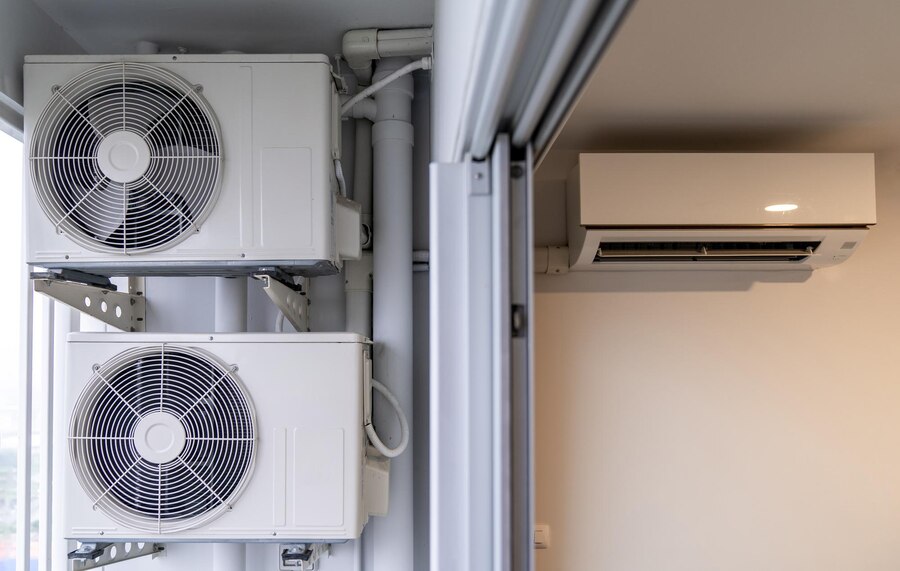
Heat Pump Freezing Up in Summer: What Alvin Homeowners Should Know

You probably don’t expect your heat pump to freeze over during summer, especially in a place like Alvin where warm weather sticks around. But this strange problem catches many homeowners off guard when they notice ice building up on their outdoor unit even while temperatures outside are climbing. It throws off the comfort level inside the house and often leaves folks wondering what could possibly be going wrong.

When a heat pump freezes, it’s more than just an odd sight. It means something isn’t working the way it should, and it’s almost always a signal to take action. Waiting too long can turn a small repair into something bigger and more expensive. Knowing what causes this issue in the first place can help you catch it quicker and keep your home cooler when it matters most.

Why Does a Heat Pump Freeze in Summer?

Most people think of freezing as a winter concern, but heat pumps can actually freeze up during the warmer months too. It usually has little to do with outside temperatures and more to do with airflow and system performance. Your heat pump relies on steady airflow and healthy refrigerant levels to move heat from inside your home to outside. When that process breaks down, things can ice over.

Here are some common reasons a heat pump might freeze during summer:

– Restricted airflow: If air can’t move freely through the system, maybe because of a dirty filter, blocked vent, or crushed duct, the coils can get too cold and start to freeze. It’s kind of like how your freezer works. Limited airflow causes a buildup of cold air on the coil, which then turns water vapor into ice.

– Low refrigerant: When there’s not enough refrigerant in the system, the pressure inside drops. That can cause the coil temperature to fall below freezing, even on a hot day. Refrigerant levels don’t normally drop unless there’s a leak.

– Dirty evaporator coils: Dust or dirt on the coils can stop the heat flow. Instead of pulling heat out of your house, the coil gets too cold and collects ice. Over time, this can lead to a total shutdown if left unaddressed.

– Fan issues: A failing or slow fan makes it harder for air to cycle through your home and across the unit. If fan blades stop turning or move too slowly, your system might start icing up.

Here’s a quick example. Imagine someone in Alvin noticing that their living room suddenly feels warmer, while their utility bill stays high. They go outside and spot ice building up on their heat pump in the middle of July. After a technician takes a look, it turns out the refrigerant was low and airflow was partially blocked by a clogged filter. Once fixed, the freezing stops and the comfort inside returns.

Once the system ices up, it’s more likely to keep recurring if the root cause isn’t addressed. Understanding these issues now helps avoid the frustration of dealing with them later.

Signs Your Heat Pump Is Freezing Up

Some signs of freezing are easy to miss at first. Homeowners in Alvin might simply blame the weather or assume their system is just working a little harder with the summer heat. But knowing what to look for can save you headaches down the line.

Here are some of the warning signs that your heat pump might be freezing up:

1. Ice forming on the outdoor unit or refrigerant lines, even when it’s warm outside
2. Weak or warm airflow coming from vents, especially when the system’s in cooling mode
3. A noticeable drop in your home’s ability to cool, even if the AC is running nonstop
4. Strange sounds like humming or buzzing, which might come from a struggling fan or frozen coil
5. Moisture or water puddles near the indoor part of the system caused by thawing ice

If one or more of these signs stick around, it’s best to get help sooner rather than later. The system might be freezing up at night and thawing during the day, so if you only check it in the afternoon, you might miss the ice completely. Catching it early could save you from a full breakdown or major repair.

Immediate Steps To Take If Your Heat Pump Freezes

Once you realize your heat pump is freezing up during summer, there’s no time to wait. Catching the problem early can help stop further damage. While the real fix usually requires a professional, there are a few steps you can take right away to manage the situation.

Follow this short list to handle a frozen heat pump safely:

1. Shut off the system: Turn off your heat pump at the thermostat and pause the cooling cycle. Keeping it running while it’s frozen can overwork the system and damage the compressor.

2. Switch to fan-only mode: If your thermostat allows it, turn on the fan without cooling. This helps melt the ice faster by moving warm air over the coils.

3. Check your air filter: If it’s dirty or clogged, replace it. A fresh filter helps improve airflow, which can prevent another freezing episode.

4. Clear around the unit: Make sure nothing is blocking your outdoor unit. Leaves, dirt, or tall grass can all disrupt airflow and make things worse.

5. Call a professional: Once the ice melts and airflow improves, don’t just turn the system back on and forget about it. There’s often a deeper issue that needs to be handled, whether it’s low refrigerant or a broken part.

One homeowner in Alvin came across this exact situation when their system quit cooling last July. They tried cleaning nearby brush and replacing the filter, but when the freezing came right back a few days later, it was clear they needed expert help. Turned out, a slow refrigerant leak was to blame.

Skipping the professional service often means dealing with the same headache again and again. So if your system freezes up, count it as a warning and take action sooner rather than later.

Preventing Future Freezes

Once a heat pump freezes, people start paying attention fast. But keeping it from freezing in the first place can save you a lot of stress during hot summer days in Alvin. Regular care can go a long way toward keeping your unit dependable when it matters most.

Here are some simple habits that help keep your heat pump trouble-free:

– Change your air filters regularly: Dirty filters are the number one cause of weak airflow. Most homes benefit from a filter change every one to three months, depending on use.

– Keep vents and registers unblocked: Make sure rugs, furniture, or curtains are not cutting off airflow. Even small blockages can throw your system out of balance.

– Keep the area around your outdoor unit clean: Clear away grass clippings, leaves, and any loose debris. Give the unit space to breathe.

– Schedule seasonal maintenance: Having your system inspected at least once a year helps spot small problems before they cause a breakdown. Technicians inspect refrigerant levels, clean the coils, and check the fan for proper operation.

– Listen to your equipment: Any new sound like rattling, buzzing, or clicking is worth checking out. Machines usually give off small signs when something isn’t working right.

Getting ahead of these issues isn’t about becoming an HVAC expert. It’s about knowing how to spot early signs and keep up with a few key routines. For homeowners in Alvin, staying alert during the summer can mean fewer hot afternoons and lower repair worries.

Keeping Cool In Alvin

Heat pumps are a reliable choice to stay comfortable, but that doesn’t mean they don’t occasionally run into problems. When freezing shows up during the summer, it’s your heat pump’s way of saying something’s off. Ignoring it won’t make it go away. It usually gets worse if nothing’s done.

The good news is that many freeze-ups can be stopped before they even start. Staying on top of simple things like airflow, outdoor conditions, and filter changes gives your system the best shot at running steady all summer long. And when things go wrong beyond a loose filter or dirty coil, it’s smart to bring in help you can trust.

For homeowners in Alvin who need cooling they can count on, catching the signs early and knowing where to turn for help makes all the difference.

Your cooling system is key to keeping your home comfortable, and signs like ice buildup mean it’s time to act quickly. When you notice these issues, consider scheduling heat pump repair in Alvin so small problems don’t become major repairs later. Davis Mechanical Contractors is ready to help, and for a quick estimate or to book a service visit, please contact us today.
heat pump

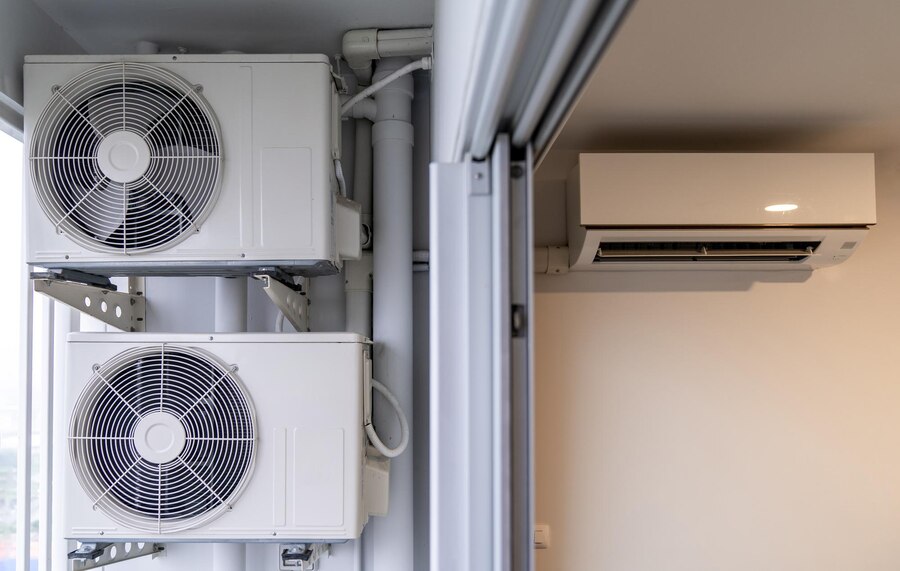
Heat Pump Freezing Up in Summer: What Alvin Homeowners Should Know

You probably don’t expect your heat pump to freeze over during summer, especially in a place like Alvin where warm weather sticks around. But this strange problem catches many homeowners off guard when they notice ice building up on their outdoor unit even while temperatures outside are climbing. It throws off the comfort level inside the house and often leaves folks wondering what could possibly be going wrong.

When a heat pump freezes, it’s more than just an odd sight. It means something isn’t working the way it should, and it’s almost always a signal to take action. Waiting too long can turn a small repair into something bigger and more expensive. Knowing what causes this issue in the first place can help you catch it quicker and keep your home cooler when it matters most.

Why Does a Heat Pump Freeze in Summer?

Most people think of freezing as a winter concern, but heat pumps can actually freeze up during the warmer months too. It usually has little to do with outside temperatures and more to do with airflow and system performance. Your heat pump relies on steady airflow and healthy refrigerant levels to move heat from inside your home to outside. When that process breaks down, things can ice over.

Here are some common reasons a heat pump might freeze during summer:

– Restricted airflow: If air can’t move freely through the system, maybe because of a dirty filter, blocked vent, or crushed duct, the coils can get too cold and start to freeze. It’s kind of like how your freezer works. Limited airflow causes a buildup of cold air on the coil, which then turns water vapor into ice.

– Low refrigerant: When there’s not enough refrigerant in the system, the pressure inside drops. That can cause the coil temperature to fall below freezing, even on a hot day. Refrigerant levels don’t normally drop unless there’s a leak.

– Dirty evaporator coils: Dust or dirt on the coils can stop the heat flow. Instead of pulling heat out of your house, the coil gets too cold and collects ice. Over time, this can lead to a total shutdown if left unaddressed.

– Fan issues: A failing or slow fan makes it harder for air to cycle through your home and across the unit. If fan blades stop turning or move too slowly, your system might start icing up.

Here’s a quick example. Imagine someone in Alvin noticing that their living room suddenly feels warmer, while their utility bill stays high. They go outside and spot ice building up on their heat pump in the middle of July. After a technician takes a look, it turns out the refrigerant was low and airflow was partially blocked by a clogged filter. Once fixed, the freezing stops and the comfort inside returns.

Once the system ices up, it’s more likely to keep recurring if the root cause isn’t addressed. Understanding these issues now helps avoid the frustration of dealing with them later.

Signs Your Heat Pump Is Freezing Up

Some signs of freezing are easy to miss at first. Homeowners in Alvin might simply blame the weather or assume their system is just working a little harder with the summer heat. But knowing what to look for can save you headaches down the line.

Here are some of the warning signs that your heat pump might be freezing up:

1. Ice forming on the outdoor unit or refrigerant lines, even when it’s warm outside
2. Weak or warm airflow coming from vents, especially when the system’s in cooling mode
3. A noticeable drop in your home’s ability to cool, even if the AC is running nonstop
4. Strange sounds like humming or buzzing, which might come from a struggling fan or frozen coil
5. Moisture or water puddles near the indoor part of the system caused by thawing ice

If one or more of these signs stick around, it’s best to get help sooner rather than later. The system might be freezing up at night and thawing during the day, so if you only check it in the afternoon, you might miss the ice completely. Catching it early could save you from a full breakdown or major repair.

Immediate Steps To Take If Your Heat Pump Freezes

Once you realize your heat pump is freezing up during summer, there’s no time to wait. Catching the problem early can help stop further damage. While the real fix usually requires a professional, there are a few steps you can take right away to manage the situation.

Follow this short list to handle a frozen heat pump safely:

1. Shut off the system: Turn off your heat pump at the thermostat and pause the cooling cycle. Keeping it running while it’s frozen can overwork the system and damage the compressor.

2. Switch to fan-only mode: If your thermostat allows it, turn on the fan without cooling. This helps melt the ice faster by moving warm air over the coils.

3. Check your air filter: If it’s dirty or clogged, replace it. A fresh filter helps improve airflow, which can prevent another freezing episode.

4. Clear around the unit: Make sure nothing is blocking your outdoor unit. Leaves, dirt, or tall grass can all disrupt airflow and make things worse.

5. Call a professional: Once the ice melts and airflow improves, don’t just turn the system back on and forget about it. There’s often a deeper issue that needs to be handled, whether it’s low refrigerant or a broken part.

One homeowner in Alvin came across this exact situation when their system quit cooling last July. They tried cleaning nearby brush and replacing the filter, but when the freezing came right back a few days later, it was clear they needed expert help. Turned out, a slow refrigerant leak was to blame.

Skipping the professional service often means dealing with the same headache again and again. So if your system freezes up, count it as a warning and take action sooner rather than later.

Preventing Future Freezes

Once a heat pump freezes, people start paying attention fast. But keeping it from freezing in the first place can save you a lot of stress during hot summer days in Alvin. Regular care can go a long way toward keeping your unit dependable when it matters most.

Here are some simple habits that help keep your heat pump trouble-free:

– Change your air filters regularly: Dirty filters are the number one cause of weak airflow. Most homes benefit from a filter change every one to three months, depending on use.

– Keep vents and registers unblocked: Make sure rugs, furniture, or curtains are not cutting off airflow. Even small blockages can throw your system out of balance.

– Keep the area around your outdoor unit clean: Clear away grass clippings, leaves, and any loose debris. Give the unit space to breathe.

– Schedule seasonal maintenance: Having your system inspected at least once a year helps spot small problems before they cause a breakdown. Technicians inspect refrigerant levels, clean the coils, and check the fan for proper operation.

– Listen to your equipment: Any new sound like rattling, buzzing, or clicking is worth checking out. Machines usually give off small signs when something isn’t working right.

Getting ahead of these issues isn’t about becoming an HVAC expert. It’s about knowing how to spot early signs and keep up with a few key routines. For homeowners in Alvin, staying alert during the summer can mean fewer hot afternoons and lower repair worries.

Keeping Cool In Alvin

Heat pumps are a reliable choice to stay comfortable, but that doesn’t mean they don’t occasionally run into problems. When freezing shows up during the summer, it’s your heat pump’s way of saying something’s off. Ignoring it won’t make it go away. It usually gets worse if nothing’s done.

The good news is that many freeze-ups can be stopped before they even start. Staying on top of simple things like airflow, outdoor conditions, and filter changes gives your system the best shot at running steady all summer long. And when things go wrong beyond a loose filter or dirty coil, it’s smart to bring in help you can trust.

For homeowners in Alvin who need cooling they can count on, catching the signs early and knowing where to turn for help makes all the difference.

Your cooling system is key to keeping your home comfortable, and signs like ice buildup mean it’s time to act quickly. When you notice these issues, consider scheduling heat pump repair in Alvin so small problems don’t become major repairs later. Davis Mechanical Contractors is ready to help, and for a quick estimate or to book a service visit, please contact us today.
ductless ac

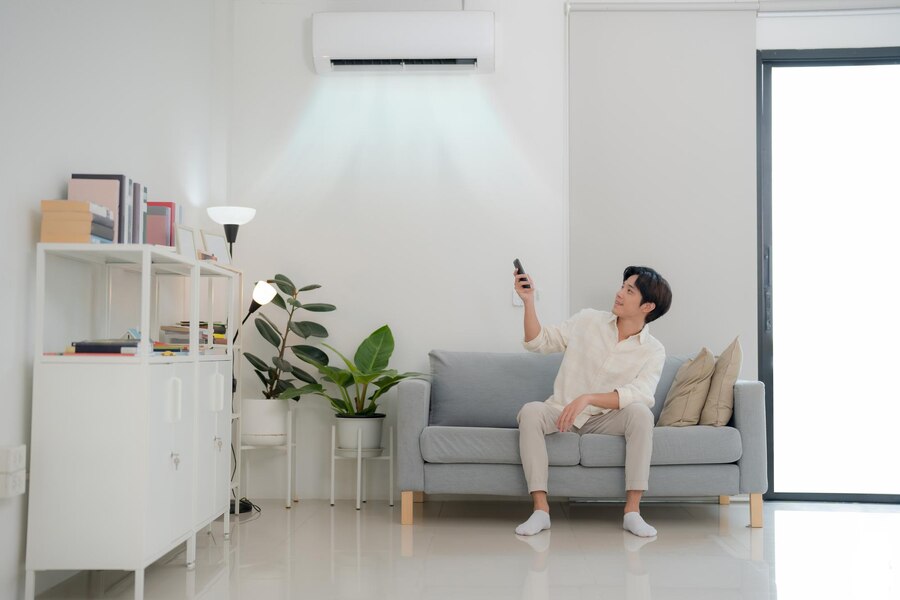
AC Not Cooling Evenly Throughout Your Alvin Home: Here’s Why

Walking into a cool home to escape the summer heat feels like a relief—unless one room feels like a fridge while the next is stuffy and warm. Uneven air conditioning is frustrating. You adjust the thermostat, close blinds, maybe even shut some vents, but the temperature still swings from room to room. It’s not just uncomfortable, it’s confusing too. You expect your AC system to cool the whole house, not just pieces of it.

If you’re noticing this in your Alvin home, you’re definitely not alone. Uneven cooling happens more often than people think, and the good news is, there’s usually a fix. Before you assume the whole system is failing, it helps to understand what small, hidden problems could be at work. Once you do, it gets a lot easier to restore balance across every room.

Common Causes Of Uneven Cooling

AC systems rely on a lot of different parts to keep your space comfortable. Even one small problem can throw things off. When some rooms feel icy cold and others barely cool down, it usually means something is disrupting the airflow, insulation, or both. Here’s a breakdown of what commonly causes this:

1. Blocked or dirty air vents: If your vents are clogged with dust or furniture is covering them, they can’t do their job. Airflow gets restricted, and the cool air meant for that room never spreads properly. Even a buildup of pet hair can make a difference. Make sure vents are open, unblocked, and free of dust.

2. Thermostat is in a bad spot: The placement of your thermostat actually matters more than most people think. If it’s near a window, direct sunlight, or even too close to a vent, it might be tricked into thinking the house is cooler or warmer than it really is. That leads to poor temperature reading and uneven cooling.

3. Poor insulation: Some rooms might not hold cool air the same way others do. That often happens when insulation is thinner or older in certain areas. If cold air escapes faster in those rooms, you’ll end up with spaces that warm up much quicker than the rest of the house.

4. An old or mismatched AC unit: If your AC is too small or too outdated, it may struggle to keep up with your home’s needs. A system that isn’t powerful enough, or one that wears down with time, can lose its ability to cool all areas equally. Older units may lose efficiency too, even if they’re technically working.

These problems can often work together without being obvious. For example, someone might replace a filter and clean the vents but still have trouble cooling the back rooms. It turns out their attic insulation is worn down and letting heat in. Once that’s fixed, things feel better throughout.

Staying cool in Alvin shouldn’t feel like a guessing game. Knowing what could be wrong is the first step in getting things back on track. In the next section, we’ll talk about how you can start narrowing down the cause right from inside your home.

How To Identify The Problem On Your Own

Before calling in help, there are a few things you can check that might give you clues about what’s going on. You don’t need special tools to start narrowing things down. Paying attention to how your AC behaves from room to room can tell you a lot.

Start with how each room feels. Take a slow walk around the house and really note the temperature in each space. Feel for airflow coming from the vents. If one room has less air coming out compared to others, that could point to a partial blockage in the ductwork or a closed vent.

While doing your walk-through, take a moment to:

– Look at every air vent in the house. Make sure they’re open and not blocked by furniture, rugs, or curtains
– Pop off vent covers and shine a flashlight inside if you can. If dust or debris is visible, that’s likely a problem
– Check the air filter. If it’s covered in gray dust or looks dark, it needs to be changed right away
– Look at the location of your thermostat. If it’s right next to a lamp, near a sunny window, or in the direct path of a vent, it could be getting tricked by heat or cool air and misreading the temperature

Checking these simple things can help you figure out what to mention when talking to a technician. It also gives you a better sense of whether the problem is spread throughout the house or isolated to one zone.

Why Professional AC Repair Makes A Real Difference

When uneven cooling continues even after checking the obvious things, it’s a sign that the problem might be deeper in the system. This is where professional repair steps in. It’s common for people to try quick internet fixes or seal vents on their own, thinking it might balance things out. But without knowing what’s going on behind the walls or inside the unit, those guesses usually don’t fix the actual issue.

Professionals bring tools and know-how most homeowners don’t have access to. They can test airflow properly, check for ductwork leaks, and inspect every part of your AC system from the coils to the compressor. A technician might find a hidden tear in your air ducts, a stuck damper, or even worn components inside the unit that you’d never see.

Even more importantly, a well-done repair can help your AC run smoother overall. When airflow is balanced, the entire home gets cooled more evenly, and the system doesn’t have to work as hard. That usually means more comfort, fewer future repairs, and a longer life for your AC.

Keep Cooling Problems From Coming Back

Uneven cooling can creep up slowly. What starts as one warm room in early summer can turn into a full-blown issue by July. Setting up a regular maintenance routine can help catch those problems before they affect your comfort.

During routine maintenance, a technician checks all the key parts of your AC. They inspect ductwork, clear clogs, and spot worn-out pieces that could cause temperature shifts later. It’s kind of like getting your car tuned up before a road trip, easy to overlook until something goes wrong.

Maintenance also helps catch seasonal damage that might be affecting airflow. In Alvin, heat and humidity buildup can strain an AC unit fast, especially if filters aren’t changed or drainage is blocked. Those small maintenance tasks keep everything running better and help prevent uneven cooling from returning.

Cool, Calm, and Comfortable in Alvin

Uneven AC cooling isn’t just annoying. It signals that something in your system isn’t working quite right. Whether the problem is as simple as dust-covered vents or something deeper in the unit, it shouldn’t be brushed off. Every room in your Alvin home deserves to feel as comfortable as the next.

Getting things back on track starts with paying attention to the signs and knowing what to look for. And once you do, fixing the problem becomes much less stressful. A little attention now can make your whole home feel cooler, calmer, and far more comfortable for the rest of the season.

Restore balanced cooling in your home with expert help from Davis Mechanical Contractors. If uneven temperatures are making your days uncomfortable, professional service can make all the difference by addressing hidden issues before they escalate. Consider exploring AC repair in Alvin to get a better handle on the problem and keep your system running efficiently. For a quick estimate or to book a service visit, please contact us today.

ductless ac

AC Not Cooling Evenly Throughout Your Alvin Home: Here’s Why

Walking into a cool home to escape the summer heat feels like a relief—unless one room feels like a fridge while the next is stuffy and warm. Uneven air conditioning is frustrating. You adjust the thermostat, close blinds, maybe even shut some vents, but the temperature still swings from room to room. It’s not just uncomfortable, it’s confusing too. You expect your AC system to cool the whole house, not just pieces of it.

If you’re noticing this in your Alvin home, you’re definitely not alone. Uneven cooling happens more often than people think, and the good news is, there’s usually a fix. Before you assume the whole system is failing, it helps to understand what small, hidden problems could be at work. Once you do, it gets a lot easier to restore balance across every room.

Common Causes Of Uneven Cooling

AC systems rely on a lot of different parts to keep your space comfortable. Even one small problem can throw things off. When some rooms feel icy cold and others barely cool down, it usually means something is disrupting the airflow, insulation, or both. Here’s a breakdown of what commonly causes this:

1. Blocked or dirty air vents: If your vents are clogged with dust or furniture is covering them, they can’t do their job. Airflow gets restricted, and the cool air meant for that room never spreads properly. Even a buildup of pet hair can make a difference. Make sure vents are open, unblocked, and free of dust.

2. Thermostat is in a bad spot: The placement of your thermostat actually matters more than most people think. If it’s near a window, direct sunlight, or even too close to a vent, it might be tricked into thinking the house is cooler or warmer than it really is. That leads to poor temperature reading and uneven cooling.

3. Poor insulation: Some rooms might not hold cool air the same way others do. That often happens when insulation is thinner or older in certain areas. If cold air escapes faster in those rooms, you’ll end up with spaces that warm up much quicker than the rest of the house.

4. An old or mismatched AC unit: If your AC is too small or too outdated, it may struggle to keep up with your home’s needs. A system that isn’t powerful enough, or one that wears down with time, can lose its ability to cool all areas equally. Older units may lose efficiency too, even if they’re technically working.

These problems can often work together without being obvious. For example, someone might replace a filter and clean the vents but still have trouble cooling the back rooms. It turns out their attic insulation is worn down and letting heat in. Once that’s fixed, things feel better throughout.

Staying cool in Alvin shouldn’t feel like a guessing game. Knowing what could be wrong is the first step in getting things back on track. In the next section, we’ll talk about how you can start narrowing down the cause right from inside your home.

How To Identify The Problem On Your Own

Before calling in help, there are a few things you can check that might give you clues about what’s going on. You don’t need special tools to start narrowing things down. Paying attention to how your AC behaves from room to room can tell you a lot.

Start with how each room feels. Take a slow walk around the house and really note the temperature in each space. Feel for airflow coming from the vents. If one room has less air coming out compared to others, that could point to a partial blockage in the ductwork or a closed vent.

While doing your walk-through, take a moment to:

– Look at every air vent in the house. Make sure they’re open and not blocked by furniture, rugs, or curtains
– Pop off vent covers and shine a flashlight inside if you can. If dust or debris is visible, that’s likely a problem
– Check the air filter. If it’s covered in gray dust or looks dark, it needs to be changed right away
– Look at the location of your thermostat. If it’s right next to a lamp, near a sunny window, or in the direct path of a vent, it could be getting tricked by heat or cool air and misreading the temperature

Checking these simple things can help you figure out what to mention when talking to a technician. It also gives you a better sense of whether the problem is spread throughout the house or isolated to one zone.

Why Professional AC Repair Makes A Real Difference

When uneven cooling continues even after checking the obvious things, it’s a sign that the problem might be deeper in the system. This is where professional repair steps in. It’s common for people to try quick internet fixes or seal vents on their own, thinking it might balance things out. But without knowing what’s going on behind the walls or inside the unit, those guesses usually don’t fix the actual issue.

Professionals bring tools and know-how most homeowners don’t have access to. They can test airflow properly, check for ductwork leaks, and inspect every part of your AC system from the coils to the compressor. A technician might find a hidden tear in your air ducts, a stuck damper, or even worn components inside the unit that you’d never see.

Even more importantly, a well-done repair can help your AC run smoother overall. When airflow is balanced, the entire home gets cooled more evenly, and the system doesn’t have to work as hard. That usually means more comfort, fewer future repairs, and a longer life for your AC.

Keep Cooling Problems From Coming Back

Uneven cooling can creep up slowly. What starts as one warm room in early summer can turn into a full-blown issue by July. Setting up a regular maintenance routine can help catch those problems before they affect your comfort.

During routine maintenance, a technician checks all the key parts of your AC. They inspect ductwork, clear clogs, and spot worn-out pieces that could cause temperature shifts later. It’s kind of like getting your car tuned up before a road trip, easy to overlook until something goes wrong.

Maintenance also helps catch seasonal damage that might be affecting airflow. In Alvin, heat and humidity buildup can strain an AC unit fast, especially if filters aren’t changed or drainage is blocked. Those small maintenance tasks keep everything running better and help prevent uneven cooling from returning.

Cool, Calm, and Comfortable in Alvin

Uneven AC cooling isn’t just annoying. It signals that something in your system isn’t working quite right. Whether the problem is as simple as dust-covered vents or something deeper in the unit, it shouldn’t be brushed off. Every room in your Alvin home deserves to feel as comfortable as the next.

Getting things back on track starts with paying attention to the signs and knowing what to look for. And once you do, fixing the problem becomes much less stressful. A little attention now can make your whole home feel cooler, calmer, and far more comfortable for the rest of the season.

Restore balanced cooling in your home with expert help from Davis Mechanical Contractors. If uneven temperatures are making your days uncomfortable, professional service can make all the difference by addressing hidden issues before they escalate. Consider exploring AC repair in Alvin to get a better handle on the problem and keep your system running efficiently. For a quick estimate or to book a service visit, please contact us today.