
furnace repair

Furnace Not Heating? Quick Guide to Heating Troubleshooting

Why Isn’t My Furnace Heating? Common Causes and Reliable Repair Options in Alvin, TX

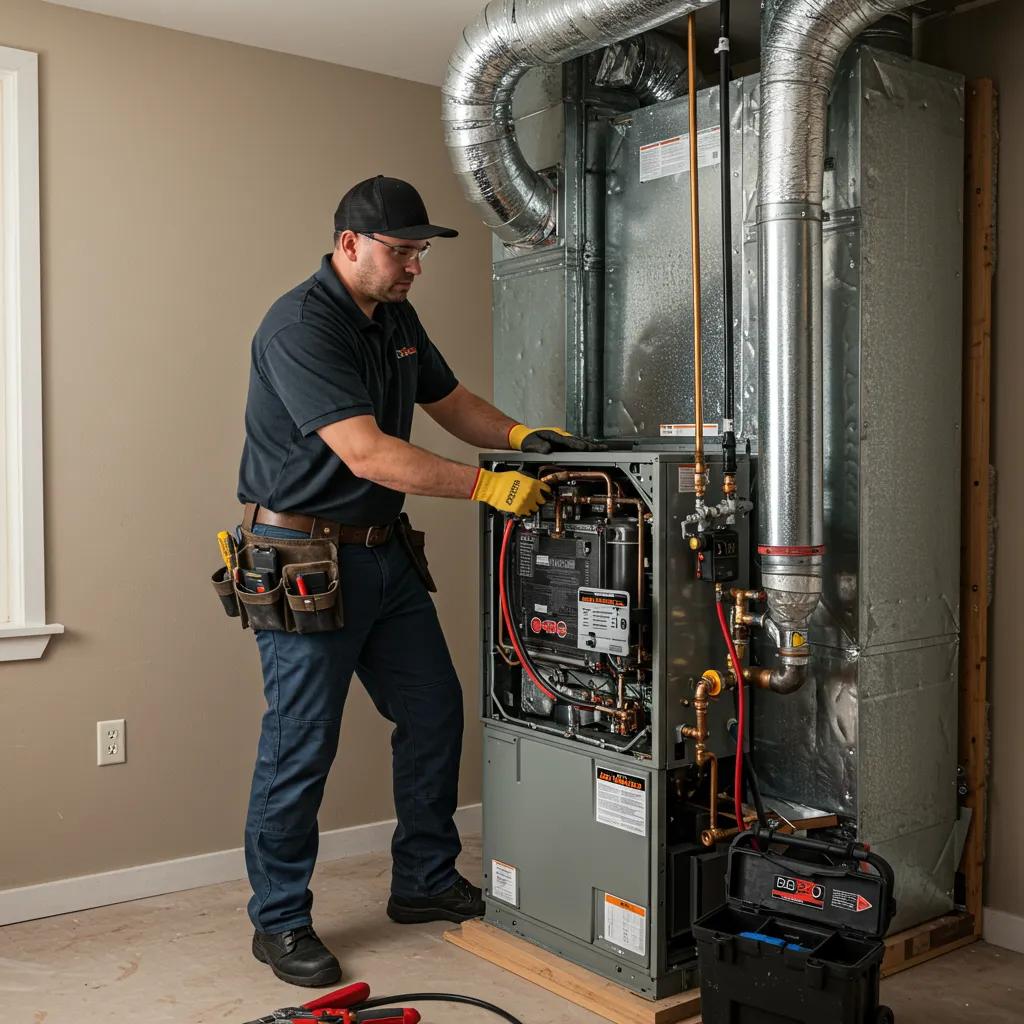
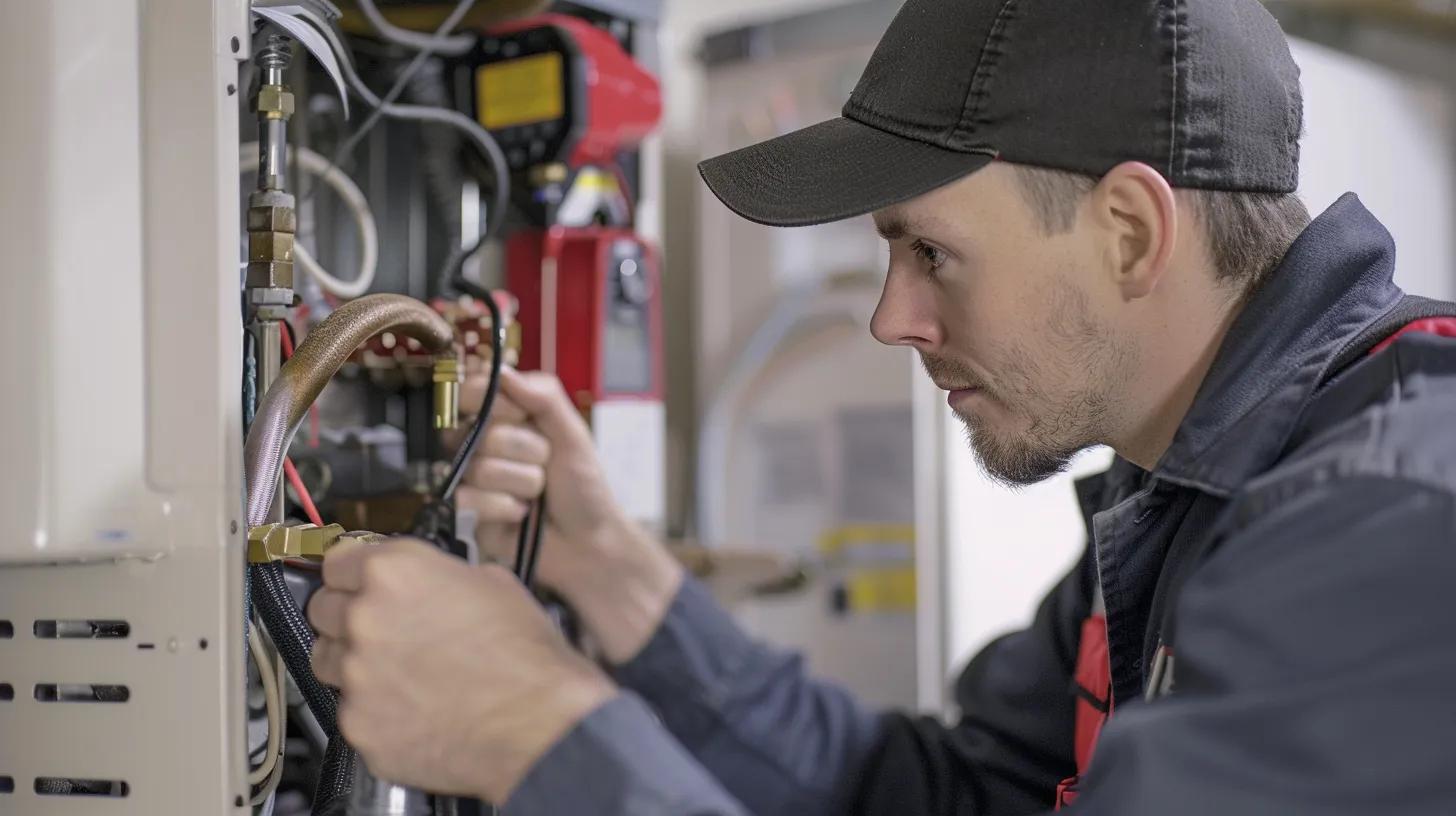
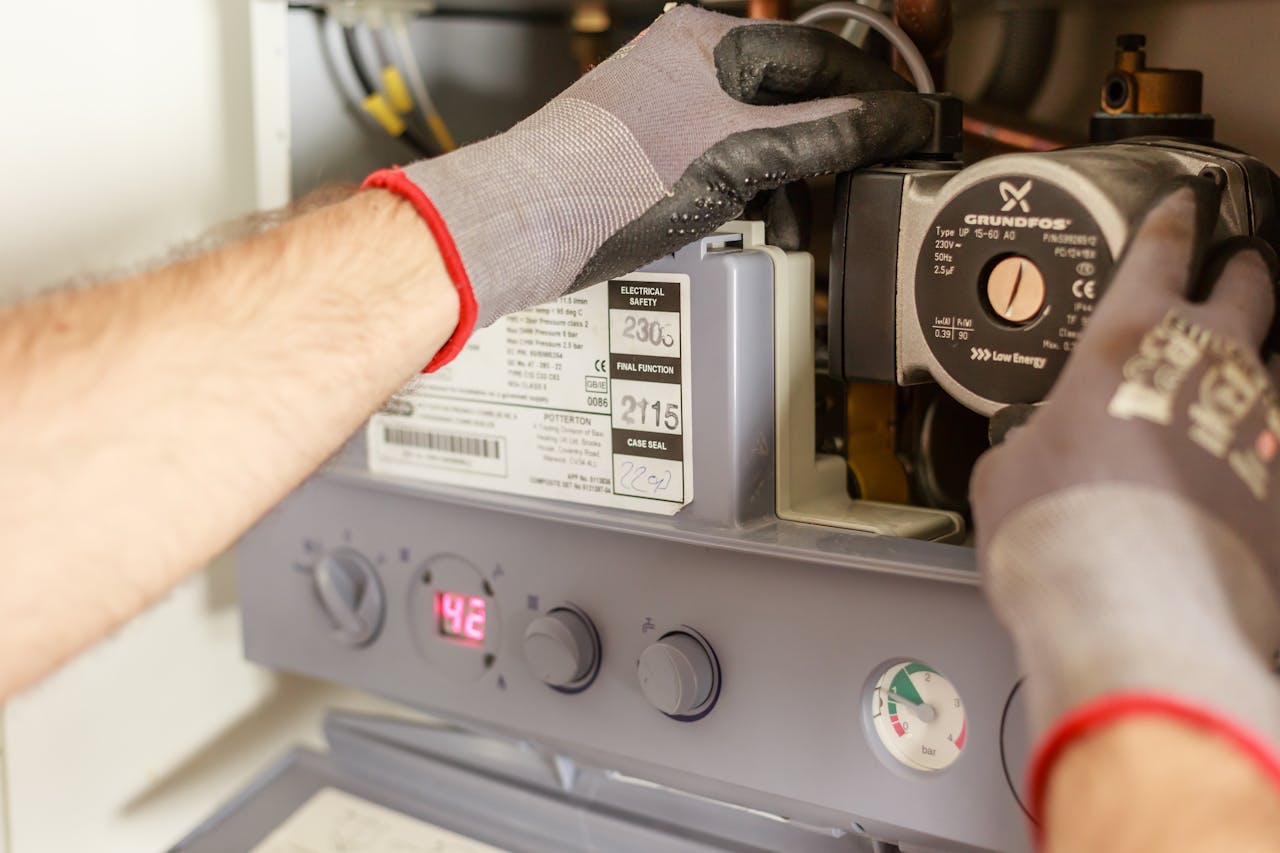
When your furnace runs but the vents stay cool, it’s more than an inconvenience — it’s a problem that can get worse if left alone. This guide walks you through the most likely reasons a furnace stops producing heat and how the thermostat, ignitor, flame sensor, blower, gas supply, and ductwork all work together (or fail to) to deliver warm air. You’ll get clear, step-by-step checks you can do safely, learn when to stop and call a pro, and see simple fixes — like replacing a dirty filter or confirming thermostat settings — alongside plain-language explanations of the parts behind the symptom. Finally, we cover routine maintenance that prevents most issues and point out local service options in Alvin, TX so you can get help fast when you need it.

What Are the Most Common Reasons My Furnace Is Blowing Cold Air?

Cold air from your registers usually points to one of three areas: airflow, ignition/combustion, or safety controls. Airflow problems come from clogged filters, blocked returns, or failing blower parts that prevent warm air from moving. Ignition faults involve a pilot, thermocouple, or electronic ignitor that won’t light the burners. And control or safety devices — like a tripped limit switch or a control-board fault — will sometimes run the blower without firing burners to protect the system. Start with simple airflow and thermostat checks before moving into ignition troubleshooting to save time and avoid unsafe procedures.

Quick checks to run before you call for service:

  • Make sure the thermostat is set to Heat and the temperature setting is higher than the current room temperature.
  • Look at the furnace air filter — replace it if it’s dirty to restore proper airflow.
  • Confirm the furnace has power: check the circuit breaker, the on/off switch near the unit, and any visible status lights.
  • Listen for ignition attempts (clicking or repeated cycles) and be alert for any unusual smells like rotten-egg gas.

These basic checks remove the most common causes of cold air and help you decide whether a technician is needed. If the furnace still won’t heat after these steps, Davis Mechanical Contractors can schedule a diagnostic visit for heater repair, maintenance, or replacement.

Quick reference table mapping symptoms to likely causes and next steps:

Problem AreaSymptom(s)Likely CauseDIY CheckWhen to Call Pro
Airflow/FilterWeak airflow, cool air, uneven roomsDirty filter, blocked return, closed ventsInspect and replace filter; open returnsIf airflow doesn’t improve after a filter change or if blower makes noise
Thermostat/ControlsNo heat even though blower runs, odd cyclingWrong mode, dead batteries, wiring issueSet to Heat, raise setpoint, replace batteriesIf thermostat won’t respond, shows errors, or wiring looks damaged
IgnitionBlower runs, no burner flame, clickingBad ignitor, pilot out, thermocouple failureWatch ignition sequence; relight pilot only if safeRepeated ignition failures or visible damage to ignitor
Gas SupplyNo ignition, smell of gas, sudden shutoffGas valve closed, supply interruption, leakCheck other gas appliances (safely) to confirm supplyAny gas smell or suspected leak — leave the home and call emergency services

Use this table to narrow the likely causes and pick the safest next step before you dig deeper or call for professional service.

How Can a Dirty Air Filter Cause My Furnace to Stop Heating?

A clogged air filter restricts airflow so much that heat can’t move through the system. That makes the heat exchanger run hotter than it should and can trip the limit switch, which shuts the burners off as a safety measure. With poor airflow the furnace may short-cycle or run the blower without heat, producing cool air at the registers. Replacing a disposable filter or cleaning a reusable one is usually simple: turn off power to the furnace, remove the access panel, slide out the filter, and fit a correctly sized replacement with the airflow arrow pointing the right way. For most households plan on changing filters every 1–3 months, depending on pets, occupancy, and filter MERV rating; higher-MERV filters trap more particles but can restrict airflow if your blower wasn’t sized for them.

Quick filter and airflow checklist:

  • Turn off power before opening the furnace panel to access the filter.
  • Hold the filter up to light — if little or no light passes through, it needs replacing.
  • Install the correct filter size and a MERV rating suitable for your system.
  • Turn the system back on and watch for restored heat at the registers.

Keeping filters current improves comfort, saves energy, and helps spot other issues early so they don’t get hidden by a clogged filter.

Can Thermostat Issues Prevent My Furnace from Producing Heat?
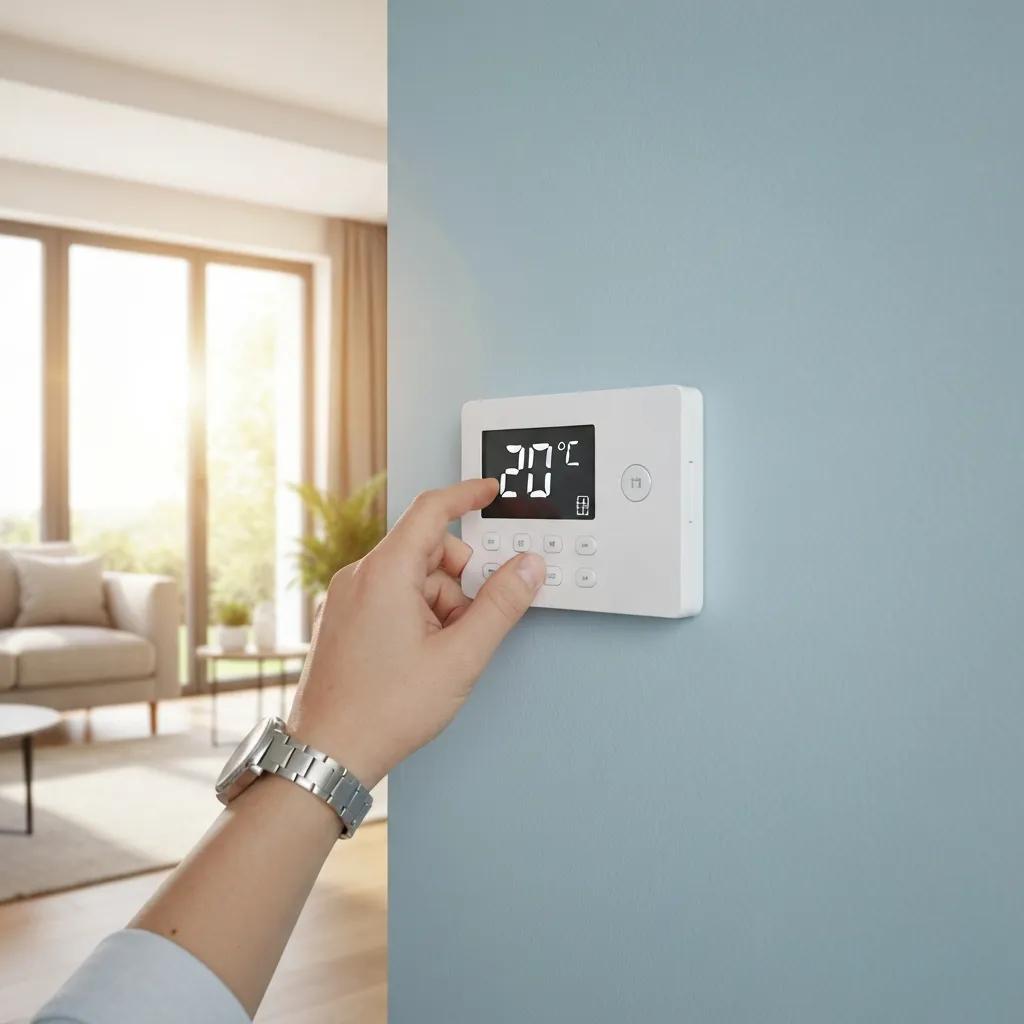
Hand adjusting a modern thermostat, illustrating control over home heating

The thermostat tells the furnace when to run — so a bad thermostat, wrong settings, dead batteries, or loose wiring can make a working furnace seem dead. Start by confirming the thermostat is set to Heat and the setpoint is above room temperature. Replace batteries in battery-powered units and look for error messages on the display. For smart thermostats check Wi‑Fi connectivity and whether the unit is getting power from the common (C) wire; a loss of common power can stop the thermostat from signaling the furnace. If settings and power are OK but the thermostat behaves inconsistently, a professional can test or replace it and check wiring connections.

Thermostat checks are low-risk and often the quickest way to restore heat without opening the furnace or gas system.

How Do Pilot Light and Ignitor Problems Affect Furnace Heating?

The pilot light or electronic ignitor starts combustion — if they fail the furnace can’t produce heat even though the blower and gas supply are otherwise fine. A standing pilot can be blown out by drafts, a bad thermocouple, or dirty pilot orifices. Electronic ignitors can crack or fail electrically and stop glowing or sparking. Signs include repeated ignition attempts, clicking with no flame, visible cracks in an ignitor, or a furnace that tries to light then shuts down. Safety first: if you smell gas or aren’t confident relighting a pilot, stop and contact a qualified technician.

Important safety steps and decisions:

  • If you smell gas, leave immediately and call emergency services — do not try to relight anything.
  • If the pilot is out and there’s no gas odor, follow the furnace’s relighting instructions or call a pro if you’re unsure.
  • A visibly damaged ignitor or repeated failed ignition cycles usually needs professional replacement and testing.

Knowing the role of ignition parts helps you decide which checks are safe to attempt and when to hand the work to a certified technician.

What Causes a Pilot Light to Go Out and How Can I Fix It?

Pilot lights go out from drafts, dirty pilot orifices, or a thermocouple that’s failing to sense flame. To relight the pilot safely, follow the steps on your furnace’s label: shut off the gas, wait a few minutes to let any gas disperse, then relight per the manufacturer’s instructions and watch for a steady flame. If the pilot won’t stay lit, the thermocouple or pilot orifice likely needs cleaning or replacement — tasks that involve gas components and are safer for a trained technician. Persistent pilot outages can also signal ventilation or gas-pressure problems that require professional diagnosis.

If you’re unsure at any point, stop and call a professional rather than risking an unsafe repair.

How Do I Know If My Furnace Ignitor Is Not Working Properly?

Signs of a failing electronic ignitor include no glow or spark, delayed ignition with repeated tries, clicking without flame, or visible cracks in the ceramic element. Modern furnaces may also store error codes that point to ignition problems. While a visual check can show obvious damage, don’t handle the ignitor — it’s fragile and skin oils can harm it. Testing continuity with a multimeter and observing the ignition sequence requires electrical skills and power isolation, so many homeowners prefer a technician to do the diagnostic and replacement. Because ignitor work involves both gas and electrical systems, professional replacement reduces the risk of collateral damage and restores reliable operation.

Replacing a failing ignitor promptly prevents repeated ignition cycles that can wear out the gas valve and control board.

What Furnace Components Commonly Fail and Stop Heat Production?

Key parts that often cause a no-heat condition include the flame sensor, limit switch, blower motor, control board, and gas valve. The flame sensor confirms burners are lit — when it’s dirty the furnace will shut off after ignition. The limit switch protects against overheating and will stop burners if airflow is blocked or the heat exchanger runs too hot. Control-board faults or burnt relays can interrupt ignition sequences or force blower-only operation. And a failing blower motor means warm air isn’t pushed into the ducts even when burners are running.

Some issues are simple clean-and-test jobs; others need replacement parts and specialized tools. The table below summarizes each component’s role, common failure modes, and typical professional remedies.

ComponentFunctionFailure ModeEffect on HeatingProfessional Remedy
Flame SensorDetects flame to allow gas flowContamination or corrosionRepeated shutdowns after ignitionClean or replace sensor; verify flame pattern
Limit SwitchMonitors exchanger temp for safetyFaulty switch or overheatingShuts burner off; blower may run onlyDiagnose airflow and replace switch if faulty
Blower MotorCirculates conditioned airElectrical failure or bad capacitorWarm air not delivered to roomsMotor/capacitor replacement and electrical test
Control BoardOrchestrates sequencesBurnt relays or failed outputsErratic cycling, no ignitionDiagnostic testing and board replacement
Gas ValveRegulates gas flow to burnersStuck closed or failingNo ignition despite calls for heatGas-system diagnostics and valve replacement

How Does a Malfunctioning Flame Sensor Impact Furnace Operation?

The flame sensor confirms the burners are lit and prevents unburned gas from flowing. If it’s coated in soot or corroded, the sensor won’t register flame and the system will shut the gas off after a few seconds. You’ll see short cycles where the furnace lights briefly then shuts down or an error indicating flame loss. Cleaning a flame sensor is sometimes a quick maintenance task using a fine abrasive, but recurring issues or heavy corrosion mean replacement and a combustion check are needed. A professional can safely handle the cleaning or swap the part and confirm the flame pattern and gas pressure are correct.

Having the flame sensor checked during an annual service prevents repeated ignition failures and keeps your system running reliably.

Why Would a Blower Motor Run but No Heat Come From the Furnace?

If the blower runs but the burners don’t light, the problem is in ignition, gas delivery, or a safety interlock — not the blower. The blower may also run to clear residual heat or as a safety response. Causes include a failed ignitor, closed gas valve, tripped limit switch, or a control-board fault putting the unit into blower-only mode. Helpful diagnostics include watching for burner ignition attempts, listening for clicking, and checking control-board indicator lights or error codes. Because these checks often involve gas or internal electrical parts, calling a technician is usually the safest next step when the blower runs and there’s no ignition.

Fixing the underlying issue prevents wasted blower run-time and avoids masking combustion faults that could worsen over time.

When Should I Call a Professional for Furnace Repair in Alvin, TX?

Contact a professional right away if you detect a gas odor, repeated ignition failures, overheating, carbon monoxide alerts, or if safety devices like limit switches or gas valves are involved. Those conditions carry safety risks and need technicians with gas diagnostics, combustion analyzers, and safe handling protocols. For control-board problems or strange error codes, a pro can run targeted tests that avoid further damage. Davis Mechanical Contractors offers diagnostic appointments, repairs, and tune-ups to restore safe, reliable heating.

When to call a technician:

  • Any smell of gas or signs of a leak — evacuate immediately and call emergency services.
  • Repeated failed ignition cycles after you’ve checked the filter and thermostat.
  • Suspected heat-exchanger cracks, carbon monoxide detector alerts, or persistent overheating.
  • Burning smells, smoke, or error codes that point to control-board issues.

These guidelines help you prioritize safety and get the right help quickly. To schedule service or an emergency diagnostic, call Davis Mechanical Contractors at (713) 875-0980 for appointments in Alvin, TX and nearby areas.

Frequently Asked Questions

What should I do if my furnace is making strange noises?

Unusual sounds like banging, rattling, or squealing often mean mechanical issues. Banging can be loose panels or delayed ignition, rattling suggests loose parts or debris, and squealing usually points to a worn belt or motor bearings. Turn the furnace off and call a technician to diagnose and fix the problem — ignoring noises can lead to bigger failures and higher repair bills.

How often should I schedule furnace maintenance?

We recommend annual furnace maintenance, ideally before the heating season starts. A yearly tune-up keeps the system running safely and efficiently, reduces surprise breakdowns, and extends equipment life. For homes with heavy use, pets, or poor indoor air quality, more frequent filter checks and interim inspections help keep performance steady.

Can I use my furnace if the pilot light is out?

No — do not run the furnace if the pilot light is out. The pilot or ignitor is required to light the burners safely. If it goes out, it may indicate a problem with the thermocouple, gas supply, or ventilation. Follow the manufacturer’s relighting instructions if you’re comfortable, but when in doubt call a professional to avoid gas buildup or unsafe conditions.

What are the signs that my furnace needs to be replaced?

Consider replacement if your furnace has frequent breakdowns, rising energy bills, persistent uneven heating, or is near the end of its 15–20 year expected life. Other signs include strange smells, loud or worsening noises, or component failures that keep recurring. A technician can evaluate repair cost versus replacement to help you make the most cost-effective choice.

Conclusion

Knowing the common causes of a furnace not producing heat helps you troubleshoot smartly and call for professional help when needed. Start with the simple checks above, stop if you encounter gas or electrical risks, and contact Davis Mechanical Contractors for reliable repairs, tune-ups, or replacements. Call today to schedule service and keep your home comfortable and safe.
furnace repair

Furnace Not Heating? Quick Guide to Heating Troubleshooting

Why Isn’t My Furnace Heating? Common Causes and Reliable Repair Options in Alvin, TX

When your furnace runs but the vents stay cool, it’s more than an inconvenience — it’s a problem that can get worse if left alone. This guide walks you through the most likely reasons a furnace stops producing heat and how the thermostat, ignitor, flame sensor, blower, gas supply, and ductwork all work together (or fail to) to deliver warm air. You’ll get clear, step-by-step checks you can do safely, learn when to stop and call a pro, and see simple fixes — like replacing a dirty filter or confirming thermostat settings — alongside plain-language explanations of the parts behind the symptom. Finally, we cover routine maintenance that prevents most issues and point out local service options in Alvin, TX so you can get help fast when you need it.

What Are the Most Common Reasons My Furnace Is Blowing Cold Air?

Cold air from your registers usually points to one of three areas: airflow, ignition/combustion, or safety controls. Airflow problems come from clogged filters, blocked returns, or failing blower parts that prevent warm air from moving. Ignition faults involve a pilot, thermocouple, or electronic ignitor that won’t light the burners. And control or safety devices — like a tripped limit switch or a control-board fault — will sometimes run the blower without firing burners to protect the system. Start with simple airflow and thermostat checks before moving into ignition troubleshooting to save time and avoid unsafe procedures.

Quick checks to run before you call for service:

  • Make sure the thermostat is set to Heat and the temperature setting is higher than the current room temperature.
  • Look at the furnace air filter — replace it if it’s dirty to restore proper airflow.
  • Confirm the furnace has power: check the circuit breaker, the on/off switch near the unit, and any visible status lights.
  • Listen for ignition attempts (clicking or repeated cycles) and be alert for any unusual smells like rotten-egg gas.

These basic checks remove the most common causes of cold air and help you decide whether a technician is needed. If the furnace still won’t heat after these steps, Davis Mechanical Contractors can schedule a diagnostic visit for heater repair, maintenance, or replacement.

Quick reference table mapping symptoms to likely causes and next steps:

Problem Area Symptom(s) Likely Cause DIY Check When to Call Pro
Airflow/Filter Weak airflow, cool air, uneven rooms Dirty filter, blocked return, closed vents Inspect and replace filter; open returns If airflow doesn’t improve after a filter change or if blower makes noise
Thermostat/Controls No heat even though blower runs, odd cycling Wrong mode, dead batteries, wiring issue Set to Heat, raise setpoint, replace batteries If thermostat won’t respond, shows errors, or wiring looks damaged
Ignition Blower runs, no burner flame, clicking Bad ignitor, pilot out, thermocouple failure Watch ignition sequence; relight pilot only if safe Repeated ignition failures or visible damage to ignitor
Gas Supply No ignition, smell of gas, sudden shutoff Gas valve closed, supply interruption, leak Check other gas appliances (safely) to confirm supply Any gas smell or suspected leak — leave the home and call emergency services

Use this table to narrow the likely causes and pick the safest next step before you dig deeper or call for professional service.

How Can a Dirty Air Filter Cause My Furnace to Stop Heating?

A clogged air filter restricts airflow so much that heat can’t move through the system. That makes the heat exchanger run hotter than it should and can trip the limit switch, which shuts the burners off as a safety measure. With poor airflow the furnace may short-cycle or run the blower without heat, producing cool air at the registers. Replacing a disposable filter or cleaning a reusable one is usually simple: turn off power to the furnace, remove the access panel, slide out the filter, and fit a correctly sized replacement with the airflow arrow pointing the right way. For most households plan on changing filters every 1–3 months, depending on pets, occupancy, and filter MERV rating; higher-MERV filters trap more particles but can restrict airflow if your blower wasn’t sized for them.

Quick filter and airflow checklist:

  • Turn off power before opening the furnace panel to access the filter.
  • Hold the filter up to light — if little or no light passes through, it needs replacing.
  • Install the correct filter size and a MERV rating suitable for your system.
  • Turn the system back on and watch for restored heat at the registers.

Keeping filters current improves comfort, saves energy, and helps spot other issues early so they don’t get hidden by a clogged filter.

Can Thermostat Issues Prevent My Furnace from Producing Heat?

Hand adjusting a modern thermostat, illustrating control over home heating

The thermostat tells the furnace when to run — so a bad thermostat, wrong settings, dead batteries, or loose wiring can make a working furnace seem dead. Start by confirming the thermostat is set to Heat and the setpoint is above room temperature. Replace batteries in battery-powered units and look for error messages on the display. For smart thermostats check Wi‑Fi connectivity and whether the unit is getting power from the common (C) wire; a loss of common power can stop the thermostat from signaling the furnace. If settings and power are OK but the thermostat behaves inconsistently, a professional can test or replace it and check wiring connections.

Thermostat checks are low-risk and often the quickest way to restore heat without opening the furnace or gas system.

How Do Pilot Light and Ignitor Problems Affect Furnace Heating?

The pilot light or electronic ignitor starts combustion — if they fail the furnace can’t produce heat even though the blower and gas supply are otherwise fine. A standing pilot can be blown out by drafts, a bad thermocouple, or dirty pilot orifices. Electronic ignitors can crack or fail electrically and stop glowing or sparking. Signs include repeated ignition attempts, clicking with no flame, visible cracks in an ignitor, or a furnace that tries to light then shuts down. Safety first: if you smell gas or aren’t confident relighting a pilot, stop and contact a qualified technician.

Important safety steps and decisions:

  • If you smell gas, leave immediately and call emergency services — do not try to relight anything.
  • If the pilot is out and there’s no gas odor, follow the furnace’s relighting instructions or call a pro if you’re unsure.
  • A visibly damaged ignitor or repeated failed ignition cycles usually needs professional replacement and testing.

Knowing the role of ignition parts helps you decide which checks are safe to attempt and when to hand the work to a certified technician.

What Causes a Pilot Light to Go Out and How Can I Fix It?

Pilot lights go out from drafts, dirty pilot orifices, or a thermocouple that’s failing to sense flame. To relight the pilot safely, follow the steps on your furnace’s label: shut off the gas, wait a few minutes to let any gas disperse, then relight per the manufacturer’s instructions and watch for a steady flame. If the pilot won’t stay lit, the thermocouple or pilot orifice likely needs cleaning or replacement — tasks that involve gas components and are safer for a trained technician. Persistent pilot outages can also signal ventilation or gas-pressure problems that require professional diagnosis.

If you’re unsure at any point, stop and call a professional rather than risking an unsafe repair.

How Do I Know If My Furnace Ignitor Is Not Working Properly?

Signs of a failing electronic ignitor include no glow or spark, delayed ignition with repeated tries, clicking without flame, or visible cracks in the ceramic element. Modern furnaces may also store error codes that point to ignition problems. While a visual check can show obvious damage, don’t handle the ignitor — it’s fragile and skin oils can harm it. Testing continuity with a multimeter and observing the ignition sequence requires electrical skills and power isolation, so many homeowners prefer a technician to do the diagnostic and replacement. Because ignitor work involves both gas and electrical systems, professional replacement reduces the risk of collateral damage and restores reliable operation.

Replacing a failing ignitor promptly prevents repeated ignition cycles that can wear out the gas valve and control board.

What Furnace Components Commonly Fail and Stop Heat Production?

Key parts that often cause a no-heat condition include the flame sensor, limit switch, blower motor, control board, and gas valve. The flame sensor confirms burners are lit — when it’s dirty the furnace will shut off after ignition. The limit switch protects against overheating and will stop burners if airflow is blocked or the heat exchanger runs too hot. Control-board faults or burnt relays can interrupt ignition sequences or force blower-only operation. And a failing blower motor means warm air isn’t pushed into the ducts even when burners are running.

Some issues are simple clean-and-test jobs; others need replacement parts and specialized tools. The table below summarizes each component’s role, common failure modes, and typical professional remedies.

Component Function Failure Mode Effect on Heating Professional Remedy
Flame Sensor Detects flame to allow gas flow Contamination or corrosion Repeated shutdowns after ignition Clean or replace sensor; verify flame pattern
Limit Switch Monitors exchanger temp for safety Faulty switch or overheating Shuts burner off; blower may run only Diagnose airflow and replace switch if faulty
Blower Motor Circulates conditioned air Electrical failure or bad capacitor Warm air not delivered to rooms Motor/capacitor replacement and electrical test
Control Board Orchestrates sequences Burnt relays or failed outputs Erratic cycling, no ignition Diagnostic testing and board replacement
Gas Valve Regulates gas flow to burners Stuck closed or failing No ignition despite calls for heat Gas-system diagnostics and valve replacement

How Does a Malfunctioning Flame Sensor Impact Furnace Operation?

The flame sensor confirms the burners are lit and prevents unburned gas from flowing. If it’s coated in soot or corroded, the sensor won’t register flame and the system will shut the gas off after a few seconds. You’ll see short cycles where the furnace lights briefly then shuts down or an error indicating flame loss. Cleaning a flame sensor is sometimes a quick maintenance task using a fine abrasive, but recurring issues or heavy corrosion mean replacement and a combustion check are needed. A professional can safely handle the cleaning or swap the part and confirm the flame pattern and gas pressure are correct.

Having the flame sensor checked during an annual service prevents repeated ignition failures and keeps your system running reliably.

Why Would a Blower Motor Run but No Heat Come From the Furnace?

If the blower runs but the burners don’t light, the problem is in ignition, gas delivery, or a safety interlock — not the blower. The blower may also run to clear residual heat or as a safety response. Causes include a failed ignitor, closed gas valve, tripped limit switch, or a control-board fault putting the unit into blower-only mode. Helpful diagnostics include watching for burner ignition attempts, listening for clicking, and checking control-board indicator lights or error codes. Because these checks often involve gas or internal electrical parts, calling a technician is usually the safest next step when the blower runs and there’s no ignition.

Fixing the underlying issue prevents wasted blower run-time and avoids masking combustion faults that could worsen over time.

When Should I Call a Professional for Furnace Repair in Alvin, TX?

Contact a professional right away if you detect a gas odor, repeated ignition failures, overheating, carbon monoxide alerts, or if safety devices like limit switches or gas valves are involved. Those conditions carry safety risks and need technicians with gas diagnostics, combustion analyzers, and safe handling protocols. For control-board problems or strange error codes, a pro can run targeted tests that avoid further damage. Davis Mechanical Contractors offers diagnostic appointments, repairs, and tune-ups to restore safe, reliable heating.

When to call a technician:

  • Any smell of gas or signs of a leak — evacuate immediately and call emergency services.
  • Repeated failed ignition cycles after you’ve checked the filter and thermostat.
  • Suspected heat-exchanger cracks, carbon monoxide detector alerts, or persistent overheating.
  • Burning smells, smoke, or error codes that point to control-board issues.

These guidelines help you prioritize safety and get the right help quickly. To schedule service or an emergency diagnostic, call Davis Mechanical Contractors at (713) 875-0980 for appointments in Alvin, TX and nearby areas.

Frequently Asked Questions

What should I do if my furnace is making strange noises?

Unusual sounds like banging, rattling, or squealing often mean mechanical issues. Banging can be loose panels or delayed ignition, rattling suggests loose parts or debris, and squealing usually points to a worn belt or motor bearings. Turn the furnace off and call a technician to diagnose and fix the problem — ignoring noises can lead to bigger failures and higher repair bills.

How often should I schedule furnace maintenance?

We recommend annual furnace maintenance, ideally before the heating season starts. A yearly tune-up keeps the system running safely and efficiently, reduces surprise breakdowns, and extends equipment life. For homes with heavy use, pets, or poor indoor air quality, more frequent filter checks and interim inspections help keep performance steady.

Can I use my furnace if the pilot light is out?

No — do not run the furnace if the pilot light is out. The pilot or ignitor is required to light the burners safely. If it goes out, it may indicate a problem with the thermocouple, gas supply, or ventilation. Follow the manufacturer’s relighting instructions if you’re comfortable, but when in doubt call a professional to avoid gas buildup or unsafe conditions.

What are the signs that my furnace needs to be replaced?

Consider replacement if your furnace has frequent breakdowns, rising energy bills, persistent uneven heating, or is near the end of its 15–20 year expected life. Other signs include strange smells, loud or worsening noises, or component failures that keep recurring. A technician can evaluate repair cost versus replacement to help you make the most cost-effective choice.

Conclusion

Knowing the common causes of a furnace not producing heat helps you troubleshoot smartly and call for professional help when needed. Start with the simple checks above, stop if you encounter gas or electrical risks, and contact Davis Mechanical Contractors for reliable repairs, tune-ups, or replacements. Call today to schedule service and keep your home comfortable and safe.
furnace repair

Choosing the Right Heater: Essential Tips for Homeowners

Your Ultimate Furnace Selection Guide

Selecting the ideal furnace can significantly enhance your home’s comfort, reduce energy expenses, and extend the operational life of your equipment. This comprehensive guide will walk you through evaluating furnace types based on fuel and technology, understanding AFUE efficiency ratings, calculating the correct BTU sizing for your space, budgeting for installation in Alvin, TX, and determining whether repair or replacement is the best course of action. You’ll also learn why professional installation is crucial and explore the top furnace brands for 2025. By following these steps, homeowners and businesses can make well-informed furnace choices that ensure dependable warmth, peak performance, and cost savings. Davis Mechanical Contractors, your trusted local HVAC specialists, are here to support every phase of furnace repair, maintenance, and installation with written warranties, competitive pricing, and 24/7 emergency service.

What Are the Different Furnace Types and Which One Is Right for Your Home?

A furnace serves as the core of your heating system, transforming fuel into warm air via a heat exchanger. Choosing the right furnace type—whether gas, electric, oil, or propane—is key to achieving efficient combustion, consistent comfort, and long-term system durability. It’s essential for homeowners in Alvin, TX, to carefully consider the availability, installation requirements, and operating costs associated with each fuel source. Understanding burner stages—single-stage, two-stage, and modulating—further refines your selection by aligning heating output with real-time demand and local climate conditions.

What Are the Pros and Cons of Gas, Electric, Oil, and Propane Furnaces?

Gas furnaces provide rapid heating and lower fuel costs where natural gas is readily available, though they require chimney or direct-vent installation. Electric furnaces are simpler to install and produce no combustion emissions but can lead to higher operating expenses in colder regions. Oil furnaces deliver robust heat output and offer independence from gas lines, but they necessitate onsite fuel storage and more frequent maintenance. Propane furnaces operate similarly to gas units but depend on delivered fuel and periodic tank refills. Each option presents a unique balance of installation complexity, energy price fluctuations, and environmental considerations.

Improving the Efficiency of Domestic Gas Furnaces: Costs and Impacts

This paper presents an analysis of the life-cycle costs for individual households and the aggregate energy and economic impacts arising from potential energy efficiency improvements in domestic gas furnaces in the US. Most homes in the US are heated by a central furnace connected to ductwork for distributing heated air and fuelled by natural gas. Electricity consumption by a furnace fan is significant, comparable to the annual electricity consumption of a major appliance. Since the same fan unit is also used during the summer to circulate cooled air in centrally air-conditioned homes, electricity savings occur year-round. Estimates are provided of the potential electricity savings from more efficient fans and motors. Current regulations require new domestic gas-fired furnaces (excluding mobile home furnaces) to meet or exceed 78 percent annual fuel utilisation efficiency (AFUE), but in fact nearly all furnaces sold achieve 80 percent AFUE or higher.

Electricity and Natural Gas Efficiency Improvements for Residential Gas Furnaces in the US, JE McMahon, 2006

How Do Single-Stage, Two-Stage, and Modulating Furnaces Differ?

Single-stage furnaces operate at their maximum capacity whenever heating is activated, which can result in noticeable temperature fluctuations and noise. Two-stage units offer more nuanced control, switching between low and high output levels to enhance comfort by reducing on/off cycles and improving overall efficiency. Modulating furnaces provide the most precise temperature regulation by adjusting the flame size in small increments, leading to maximum efficiency and exceptionally quiet operation. Homeowners in milder climates often find variable-output systems most beneficial, while simpler applications might be adequately served by heating installation performance.

Which Furnace Types Are Best Suited for Texas Homes and Climate?

Given the warm, humid climate prevalent in Alvin and the surrounding areas, gas furnaces are a popular choice due to their quick response times and cost-effectiveness where natural gas service is available. Opting for two-stage or modulating models is ideal for managing moderate winter heating demands, minimizing system cycling, and preventing humidity imbalances. Electric furnaces can be a suitable option for properties without access to natural gas lines, though they may incur higher energy costs during colder periods. Propane furnaces remain a dependable alternative for residents in rural areas lacking natural gas infrastructure.

How to Compare Furnace Types Using a Simple Table?

The table below offers a clear comparison of furnace types, highlighting key distinctions to help you pinpoint the best heating solution for your home. Each attribute is directly relevant to heating replacement, operational efficiency, and comfort considerations.

Fuel SourceKey AdvantageMain Consideration
Natural GasLower operational expenseRequires gas line and venting
ElectricitySimple installation, quietHigher electricity costs in winter
OilHigh heat output, reliabilityStorage tank space and maintenance
PropanePortable fuel, efficientPeriodic tank refills and delivery

How Do Furnace Efficiency Ratings Affect Your Heating Costs and Comfort?

AFUE, or Annual Fuel Utilization Efficiency, measures the percentage of fuel your furnace converts into usable heat, with the remainder lost through the chimney or vent. A furnace boasting 95 percent AFUE, for instance, converts 95 percent of its fuel into heat, thereby minimizing energy waste and reducing your monthly utility bills. High-efficiency furnaces (90%+ AFUE) typically involve a higher upfront cost but deliver substantial long-term savings over their 10- to 20-year lifespan, especially when correctly sized. Look for Energy Star certification, which guarantees minimum performance standards and may qualify you for valuable rebates or tax credits, further offsetting the initial investment.

What Is AFUE and Why Is It Important for Furnace Efficiency?

AFUE is the standard metric for quantifying how effectively a furnace converts fuel into heat, expressed as a percentage. Higher AFUE ratings signify less wasted energy and superior overall performance. For example, upgrading from an 80 percent AFUE unit to one with a 95 percent AFUE rating can lead to annual heating cost reductions of up to 15–20 percent.

How Do High-Efficiency Furnaces Compare to Standard Models?

High-efficiency furnaces are equipped with advanced features such as sophisticated heat exchangers, variable-speed blowers, and sealed combustion systems. These technologies contribute to quieter operation, more precise temperature regulation, and improved indoor air quality. Standard models, typically rated at 80–85 percent AFUE, may be adequate for milder climates but do not offer the same long-term financial or environmental benefits.

How Can Choosing an Efficient Furnace Save You Money Long-Term?

By installing a furnace with a high AFUE rating, you significantly reduce your fuel consumption, leading to lower annual heating expenses. Even when factoring in a higher initial purchase price, many homeowners find that the energy savings alone allow them to recoup the extra upfront costs within just 3 to 7 years.

What Are the Typical Furnace Installation and Replacement Costs in Alvin, TX?

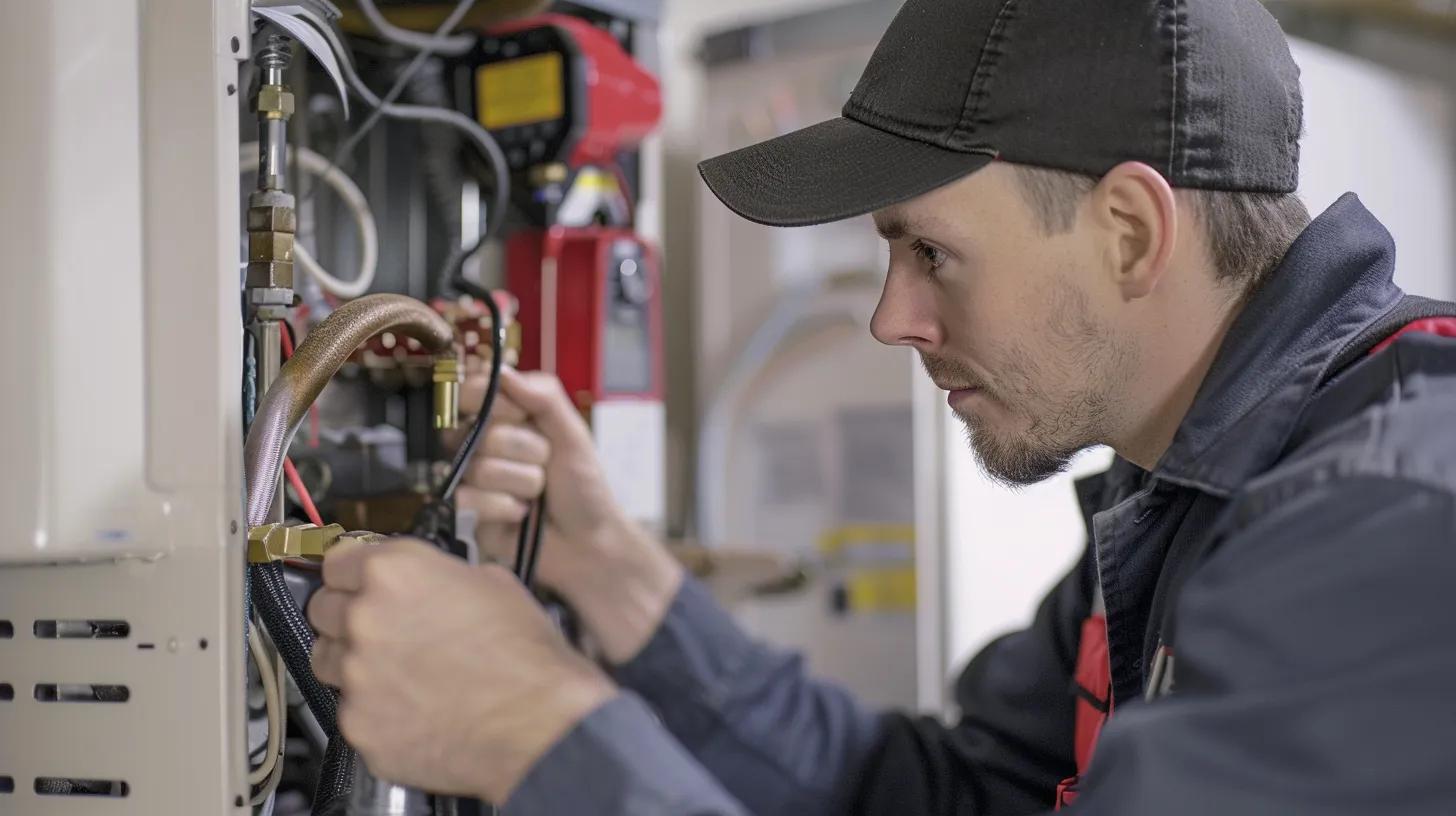
HVAC technician installing a furnace in a residential home, highlighting professional service

The cost of purchasing and installing a new furnace can vary significantly based on the fuel type, efficiency rating, unit size, and prevailing local labor rates. In Alvin, TX, basic furnace models typically start around $1,300, while high-efficiency units can range upwards of $6,500. Additional expenses for installation labor, necessary permits, ductwork modifications, and optional features like zoning systems or smart thermostats will contribute to the final investment. Carefully evaluating long-term operating costs in conjunction with upfront expenses is crucial for effective budgeting.

How Much Do Different Furnace Types Cost to Purchase and Install?

The table below provides an overview of average furnace replacement costs, categorized by fuel type and efficiency, including estimates for labor and basic materials.

Fuel TypeTypical Unit CostAverage Installation Range
Natural Gas 80% AFUE$1,300 – $2,200$1,000 – $1,800
Natural Gas 95% AFUE$2,000 – $3,500$1,200 – 2,200
Electric$800 – $1,500$500 – 1,000
Oil$1,800 – 3,000$1,200 – 2,000
Propane$1,500 – 2,800$1,000 – 1,800

What Are the Local Labor and Additional Installation Costs?

Labor rates in the Alvin area typically fall between $50 and $80 per hour. Costs for duct repairs, gas line connections, and permit fees can add an estimated $300 to $1,000, depending on the existing system’s condition. More complex installations may require additional heating installation upgrades to meet current building codes and safety standards.

How Do Long-Term Operating Costs Compare Across Furnace Types?

Natural gas furnaces generally cost between $600 and $1,200 per heating season, whereas electric furnaces can exceed $1,500 during colder months. High-efficiency models can reduce annual fuel consumption by up to 20 percent compared to standard units, helping to offset their higher initial purchase price over time.

Are There Financing or Warranty Options Available with Furnace Installation?

Many HVAC providers offer flexible financing plans that allow you to spread the cost of a new furnace over 12 to 60 months. Comprehensive written warranties on both parts and labor provide protection against unexpected repairs, ensuring peace of mind throughout the equipment’s operational lifespan. Heating replacement is an option to consider if you need to upgrade your system.

When Should You Repair Your Furnace and When Is Replacement the Better Option?

The decision between repairing your existing furnace and replacing it hinges on its age, the frequency of repairs needed, and its overall energy performance. Minor repairs are often a cost-effective solution for units under 10 years old experiencing infrequent issues. However, persistent breakdowns or a significant drop in efficiency (below 80 percent AFUE) typically signal that replacement is the more prudent choice. Evaluating the cumulative cost of repairs against the investment in a new, high-efficiency furnace will guide you toward the optimal decision.

What Are the Signs You Need a New Furnace?

Key indicators that suggest it’s time for a new furnace include frequent breakdowns, escalating energy bills, uneven heating throughout your home, persistent unusual noises, and an age exceeding 15 years. Safety concerns, such as alerts from a carbon monoxide detector, also necessitate immediate professional evaluation and likely replacement.

How Can Timely Replacement Improve Home Comfort and Efficiency?

Installing a new furnace restores consistent and reliable heat delivery, enhances indoor air quality, and improves humidity control through the advanced capabilities of modern variable-speed blowers. Upgrading to a unit with an AFUE rating of 95 percent or higher significantly reduces energy consumption and helps stabilize your utility expenses.

When Is Furnace Repair a Viable and Cost-Effective Choice?

Minor issues, such as clogged air filters, worn-out belts, or thermostat calibration problems, can often be resolved with a single maintenance visit. Timely repairs can extend the operational life of your furnace, maintain safe functioning, and prevent minor problems from escalating into more serious and costly component failures.

How Does Davis Mechanical Contractors Assist with Furnace Repair and Replacement?

Davis Mechanical Contractors employs certified technicians who excel at precisely diagnosing issues, recommending the most cost-effective repair solutions, and executing professional installations. With our 24/7 emergency service and written labor warranties, we guarantee lasting comfort and complete client satisfaction for homes and businesses throughout Alvin and surrounding communities.

What Are the Best Furnace Brands for 2025 and How to Choose Among Them?

Leading furnace brands are distinguished by their blend of reliability, energy efficiency, and ease of serviceability. Prominent names in the industry include Trane, Carrier, Lennox, and Goodman, each offering models with AFUE ratings reaching up to 98 percent and featuring advanced blower technologies. Comparing brand reputation, warranty terms, and the availability of local service support will help you identify the best option that aligns with your budget and performance expectations.

Which Furnace Brands Does Davis Mechanical Contractors Service Locally?

Davis Mechanical Contractors is equipped to service a wide array of major furnace brands, including Trane, Carrier, American Standard, Bryant, Payne, Amana, Rheem, Ruud, Lennox, and Goodman. Our technicians are factory-trained, ensuring expert installation, repair, and maintenance for most leading makes and models.

How Do Top Brands Compare in Reliability, Efficiency, and Cost?

The table below offers a high-level comparison of top furnace brands, focusing on their reliability ratings, maximum AFUE efficiency, and typical price ranges.

BrandTop AFUE RatingReliability Notes
Trane97 percentIndustrial-grade durability
Carrier98 percentInnovative burner technology
Lennox98 percentQuiet operation, high-SEER models
Goodman96 percentValue-focused with solid warranty

What Are Customer Reviews and Industry Ratings Saying About 2025 Furnace Models?

Independent reviews consistently praise the reliable performance of high-efficiency Trane and Carrier units, highlighting their precise temperature control and exceptionally low noise levels. Goodman frequently receives accolades for its excellent value proposition and responsive warranty service.

Frequently Asked Questions

What maintenance tasks should I perform on my furnace regularly?

Regular maintenance for your furnace involves changing or cleaning the air filter every one to three months, verifying your thermostat settings, and inspecting your ductwork for any leaks. It’s also highly recommended to schedule annual professional inspections, which can help identify potential issues before they escalate into serious problems. Our technicians will clean the burners, check the heat exchanger for cracks, and ensure all components are operating at peak efficiency. This proactive approach not only extends your furnace’s lifespan but also boosts its efficiency and safety.

How can I improve the energy efficiency of my existing furnace?

You can enhance the energy efficiency of your current furnace through several effective methods. Begin by ensuring your home is well-insulated to minimize heat loss. Installing a programmable thermostat allows for more precise temperature control, reducing energy usage when you’re away. Additionally, sealing any air leaks around windows and doors is crucial. Consistent maintenance, including cleaning the furnace and ducts, also contributes to better efficiency. Upgrading to a high-efficiency air filter can improve airflow and lead to reduced energy costs over time.

What should I do if my furnace is making unusual noises?

If your furnace starts making unusual noises, it’s important to address the issue promptly. Common sounds like rattling, banging, or squealing might indicate loose components, a malfunctioning blower motor, or a need for lubrication. Start by visually inspecting for any obvious issues, such as loose panels or obstructions. If the noises persist, it’s best to contact a professional HVAC technician to accurately diagnose and resolve the problem. Ignoring these sounds could lead to more significant damage and costly repairs.

How long can I expect my furnace to last?

The typical lifespan for a furnace ranges from 15 to 30 years, depending on its type, how well it’s maintained, and how it’s used. Gas furnaces generally offer a longer service life than electric models, and consistent, proper maintenance plays a critical role in maximizing longevity. Regular inspections and timely repairs can significantly extend your unit’s operational life. If your furnace is nearing the 15-year mark and requires frequent repairs, it may be time to consider a replacement to ensure continued efficiency and reliability during the colder months.

Conclusion

Choosing the right furnace is fundamental to achieving optimal home comfort, maximizing energy efficiency, and securing long-term cost savings. By thoroughly understanding the various fuel types, efficiency ratings, and precise sizing requirements, homeowners can make informed decisions that significantly enhance their living environment. Partnering with experienced professionals like Davis Mechanical Contractors ensures a seamless installation process and provides ongoing support for all your heating needs. Contact us today to explore the best furnace options tailored specifically for your home.

furnace repair

Choosing the Right Heater: Essential Tips for Homeowners

Your Ultimate Furnace Selection Guide

Selecting the ideal furnace can significantly enhance your home’s comfort, reduce energy expenses, and extend the operational life of your equipment. This comprehensive guide will walk you through evaluating furnace types based on fuel and technology, understanding AFUE efficiency ratings, calculating the correct BTU sizing for your space, budgeting for installation in Alvin, TX, and determining whether repair or replacement is the best course of action. You’ll also learn why professional installation is crucial and explore the top furnace brands for 2025. By following these steps, homeowners and businesses can make well-informed furnace choices that ensure dependable warmth, peak performance, and cost savings. Davis Mechanical Contractors, your trusted local HVAC specialists, are here to support every phase of furnace repair, maintenance, and installation with written warranties, competitive pricing, and 24/7 emergency service.

What Are the Different Furnace Types and Which One Is Right for Your Home?

A furnace serves as the core of your heating system, transforming fuel into warm air via a heat exchanger. Choosing the right furnace type—whether gas, electric, oil, or propane—is key to achieving efficient combustion, consistent comfort, and long-term system durability. It’s essential for homeowners in Alvin, TX, to carefully consider the availability, installation requirements, and operating costs associated with each fuel source. Understanding burner stages—single-stage, two-stage, and modulating—further refines your selection by aligning heating output with real-time demand and local climate conditions.

What Are the Pros and Cons of Gas, Electric, Oil, and Propane Furnaces?

Gas furnaces provide rapid heating and lower fuel costs where natural gas is readily available, though they require chimney or direct-vent installation. Electric furnaces are simpler to install and produce no combustion emissions but can lead to higher operating expenses in colder regions. Oil furnaces deliver robust heat output and offer independence from gas lines, but they necessitate onsite fuel storage and more frequent maintenance. Propane furnaces operate similarly to gas units but depend on delivered fuel and periodic tank refills. Each option presents a unique balance of installation complexity, energy price fluctuations, and environmental considerations.

Improving the Efficiency of Domestic Gas Furnaces: Costs and Impacts

This paper presents an analysis of the life-cycle costs for individual households and the aggregate energy and economic impacts arising from potential energy efficiency improvements in domestic gas furnaces in the US. Most homes in the US are heated by a central furnace connected to ductwork for distributing heated air and fuelled by natural gas. Electricity consumption by a furnace fan is significant, comparable to the annual electricity consumption of a major appliance. Since the same fan unit is also used during the summer to circulate cooled air in centrally air-conditioned homes, electricity savings occur year-round. Estimates are provided of the potential electricity savings from more efficient fans and motors. Current regulations require new domestic gas-fired furnaces (excluding mobile home furnaces) to meet or exceed 78 percent annual fuel utilisation efficiency (AFUE), but in fact nearly all furnaces sold achieve 80 percent AFUE or higher.

Electricity and Natural Gas Efficiency Improvements for Residential Gas Furnaces in the US, JE McMahon, 2006

How Do Single-Stage, Two-Stage, and Modulating Furnaces Differ?

Single-stage furnaces operate at their maximum capacity whenever heating is activated, which can result in noticeable temperature fluctuations and noise. Two-stage units offer more nuanced control, switching between low and high output levels to enhance comfort by reducing on/off cycles and improving overall efficiency. Modulating furnaces provide the most precise temperature regulation by adjusting the flame size in small increments, leading to maximum efficiency and exceptionally quiet operation. Homeowners in milder climates often find variable-output systems most beneficial, while simpler applications might be adequately served by heating installation performance.

Which Furnace Types Are Best Suited for Texas Homes and Climate?

Given the warm, humid climate prevalent in Alvin and the surrounding areas, gas furnaces are a popular choice due to their quick response times and cost-effectiveness where natural gas service is available. Opting for two-stage or modulating models is ideal for managing moderate winter heating demands, minimizing system cycling, and preventing humidity imbalances. Electric furnaces can be a suitable option for properties without access to natural gas lines, though they may incur higher energy costs during colder periods. Propane furnaces remain a dependable alternative for residents in rural areas lacking natural gas infrastructure.

How to Compare Furnace Types Using a Simple Table?

The table below offers a clear comparison of furnace types, highlighting key distinctions to help you pinpoint the best heating solution for your home. Each attribute is directly relevant to heating replacement, operational efficiency, and comfort considerations.

Fuel Source Key Advantage Main Consideration
Natural Gas Lower operational expense Requires gas line and venting
Electricity Simple installation, quiet Higher electricity costs in winter
Oil High heat output, reliability Storage tank space and maintenance
Propane Portable fuel, efficient Periodic tank refills and delivery

How Do Furnace Efficiency Ratings Affect Your Heating Costs and Comfort?

AFUE, or Annual Fuel Utilization Efficiency, measures the percentage of fuel your furnace converts into usable heat, with the remainder lost through the chimney or vent. A furnace boasting 95 percent AFUE, for instance, converts 95 percent of its fuel into heat, thereby minimizing energy waste and reducing your monthly utility bills. High-efficiency furnaces (90%+ AFUE) typically involve a higher upfront cost but deliver substantial long-term savings over their 10- to 20-year lifespan, especially when correctly sized. Look for Energy Star certification, which guarantees minimum performance standards and may qualify you for valuable rebates or tax credits, further offsetting the initial investment.

What Is AFUE and Why Is It Important for Furnace Efficiency?

AFUE is the standard metric for quantifying how effectively a furnace converts fuel into heat, expressed as a percentage. Higher AFUE ratings signify less wasted energy and superior overall performance. For example, upgrading from an 80 percent AFUE unit to one with a 95 percent AFUE rating can lead to annual heating cost reductions of up to 15–20 percent.

How Do High-Efficiency Furnaces Compare to Standard Models?

High-efficiency furnaces are equipped with advanced features such as sophisticated heat exchangers, variable-speed blowers, and sealed combustion systems. These technologies contribute to quieter operation, more precise temperature regulation, and improved indoor air quality. Standard models, typically rated at 80–85 percent AFUE, may be adequate for milder climates but do not offer the same long-term financial or environmental benefits.

How Can Choosing an Efficient Furnace Save You Money Long-Term?

By installing a furnace with a high AFUE rating, you significantly reduce your fuel consumption, leading to lower annual heating expenses. Even when factoring in a higher initial purchase price, many homeowners find that the energy savings alone allow them to recoup the extra upfront costs within just 3 to 7 years.

What Are the Typical Furnace Installation and Replacement Costs in Alvin, TX?

HVAC technician installing a furnace in a residential home, highlighting professional service

The cost of purchasing and installing a new furnace can vary significantly based on the fuel type, efficiency rating, unit size, and prevailing local labor rates. In Alvin, TX, basic furnace models typically start around $1,300, while high-efficiency units can range upwards of $6,500. Additional expenses for installation labor, necessary permits, ductwork modifications, and optional features like zoning systems or smart thermostats will contribute to the final investment. Carefully evaluating long-term operating costs in conjunction with upfront expenses is crucial for effective budgeting.

How Much Do Different Furnace Types Cost to Purchase and Install?

The table below provides an overview of average furnace replacement costs, categorized by fuel type and efficiency, including estimates for labor and basic materials.

Fuel Type Typical Unit Cost Average Installation Range
Natural Gas 80% AFUE $1,300 – $2,200 $1,000 – $1,800
Natural Gas 95% AFUE $2,000 – $3,500 $1,200 – 2,200
Electric $800 – $1,500 $500 – 1,000
Oil $1,800 – 3,000 $1,200 – 2,000
Propane $1,500 – 2,800 $1,000 – 1,800

What Are the Local Labor and Additional Installation Costs?

Labor rates in the Alvin area typically fall between $50 and $80 per hour. Costs for duct repairs, gas line connections, and permit fees can add an estimated $300 to $1,000, depending on the existing system’s condition. More complex installations may require additional heating installation upgrades to meet current building codes and safety standards.

How Do Long-Term Operating Costs Compare Across Furnace Types?

Natural gas furnaces generally cost between $600 and $1,200 per heating season, whereas electric furnaces can exceed $1,500 during colder months. High-efficiency models can reduce annual fuel consumption by up to 20 percent compared to standard units, helping to offset their higher initial purchase price over time.

Are There Financing or Warranty Options Available with Furnace Installation?

Many HVAC providers offer flexible financing plans that allow you to spread the cost of a new furnace over 12 to 60 months. Comprehensive written warranties on both parts and labor provide protection against unexpected repairs, ensuring peace of mind throughout the equipment’s operational lifespan. Heating replacement is an option to consider if you need to upgrade your system.

When Should You Repair Your Furnace and When Is Replacement the Better Option?

The decision between repairing your existing furnace and replacing it hinges on its age, the frequency of repairs needed, and its overall energy performance. Minor repairs are often a cost-effective solution for units under 10 years old experiencing infrequent issues. However, persistent breakdowns or a significant drop in efficiency (below 80 percent AFUE) typically signal that replacement is the more prudent choice. Evaluating the cumulative cost of repairs against the investment in a new, high-efficiency furnace will guide you toward the optimal decision.

What Are the Signs You Need a New Furnace?

Key indicators that suggest it’s time for a new furnace include frequent breakdowns, escalating energy bills, uneven heating throughout your home, persistent unusual noises, and an age exceeding 15 years. Safety concerns, such as alerts from a carbon monoxide detector, also necessitate immediate professional evaluation and likely replacement.

How Can Timely Replacement Improve Home Comfort and Efficiency?

Installing a new furnace restores consistent and reliable heat delivery, enhances indoor air quality, and improves humidity control through the advanced capabilities of modern variable-speed blowers. Upgrading to a unit with an AFUE rating of 95 percent or higher significantly reduces energy consumption and helps stabilize your utility expenses.

When Is Furnace Repair a Viable and Cost-Effective Choice?

Minor issues, such as clogged air filters, worn-out belts, or thermostat calibration problems, can often be resolved with a single maintenance visit. Timely repairs can extend the operational life of your furnace, maintain safe functioning, and prevent minor problems from escalating into more serious and costly component failures.

How Does Davis Mechanical Contractors Assist with Furnace Repair and Replacement?

Davis Mechanical Contractors employs certified technicians who excel at precisely diagnosing issues, recommending the most cost-effective repair solutions, and executing professional installations. With our 24/7 emergency service and written labor warranties, we guarantee lasting comfort and complete client satisfaction for homes and businesses throughout Alvin and surrounding communities.

What Are the Best Furnace Brands for 2025 and How to Choose Among Them?

Leading furnace brands are distinguished by their blend of reliability, energy efficiency, and ease of serviceability. Prominent names in the industry include Trane, Carrier, Lennox, and Goodman, each offering models with AFUE ratings reaching up to 98 percent and featuring advanced blower technologies. Comparing brand reputation, warranty terms, and the availability of local service support will help you identify the best option that aligns with your budget and performance expectations.

Which Furnace Brands Does Davis Mechanical Contractors Service Locally?

Davis Mechanical Contractors is equipped to service a wide array of major furnace brands, including Trane, Carrier, American Standard, Bryant, Payne, Amana, Rheem, Ruud, Lennox, and Goodman. Our technicians are factory-trained, ensuring expert installation, repair, and maintenance for most leading makes and models.

How Do Top Brands Compare in Reliability, Efficiency, and Cost?

The table below offers a high-level comparison of top furnace brands, focusing on their reliability ratings, maximum AFUE efficiency, and typical price ranges.

Brand Top AFUE Rating Reliability Notes
Trane 97 percent Industrial-grade durability
Carrier 98 percent Innovative burner technology
Lennox 98 percent Quiet operation, high-SEER models
Goodman 96 percent Value-focused with solid warranty

What Are Customer Reviews and Industry Ratings Saying About 2025 Furnace Models?

Independent reviews consistently praise the reliable performance of high-efficiency Trane and Carrier units, highlighting their precise temperature control and exceptionally low noise levels. Goodman frequently receives accolades for its excellent value proposition and responsive warranty service.

Frequently Asked Questions

What maintenance tasks should I perform on my furnace regularly?

Regular maintenance for your furnace involves changing or cleaning the air filter every one to three months, verifying your thermostat settings, and inspecting your ductwork for any leaks. It’s also highly recommended to schedule annual professional inspections, which can help identify potential issues before they escalate into serious problems. Our technicians will clean the burners, check the heat exchanger for cracks, and ensure all components are operating at peak efficiency. This proactive approach not only extends your furnace’s lifespan but also boosts its efficiency and safety.

How can I improve the energy efficiency of my existing furnace?

You can enhance the energy efficiency of your current furnace through several effective methods. Begin by ensuring your home is well-insulated to minimize heat loss. Installing a programmable thermostat allows for more precise temperature control, reducing energy usage when you’re away. Additionally, sealing any air leaks around windows and doors is crucial. Consistent maintenance, including cleaning the furnace and ducts, also contributes to better efficiency. Upgrading to a high-efficiency air filter can improve airflow and lead to reduced energy costs over time.

What should I do if my furnace is making unusual noises?

If your furnace starts making unusual noises, it’s important to address the issue promptly. Common sounds like rattling, banging, or squealing might indicate loose components, a malfunctioning blower motor, or a need for lubrication. Start by visually inspecting for any obvious issues, such as loose panels or obstructions. If the noises persist, it’s best to contact a professional HVAC technician to accurately diagnose and resolve the problem. Ignoring these sounds could lead to more significant damage and costly repairs.

How long can I expect my furnace to last?

The typical lifespan for a furnace ranges from 15 to 30 years, depending on its type, how well it’s maintained, and how it’s used. Gas furnaces generally offer a longer service life than electric models, and consistent, proper maintenance plays a critical role in maximizing longevity. Regular inspections and timely repairs can significantly extend your unit’s operational life. If your furnace is nearing the 15-year mark and requires frequent repairs, it may be time to consider a replacement to ensure continued efficiency and reliability during the colder months.

Conclusion

Choosing the right furnace is fundamental to achieving optimal home comfort, maximizing energy efficiency, and securing long-term cost savings. By thoroughly understanding the various fuel types, efficiency ratings, and precise sizing requirements, homeowners can make informed decisions that significantly enhance their living environment. Partnering with experienced professionals like Davis Mechanical Contractors ensures a seamless installation process and provides ongoing support for all your heating needs. Contact us today to explore the best furnace options tailored specifically for your home.

heating system

Is Your Heater Making Knocking Sounds: What It Means for Alvin Homeowners

Hearing a knocking sound coming from your heater can be unsettling, especially when everything was working fine the day before. For many homeowners in Alvin, this type of noise often sparks concern, and for good reason. While some sounds are harmless, others may signal problems that can damage your system over time if left unresolved. Whether it happens when the unit starts up or lingers during operation, that unfamiliar knock tells you your heater needs attention.

Addressing the noise promptly can help prevent more serious damage and avoid potentially expensive repairs. It’s not just about peace and quiet, it’s about keeping your system efficient and your home comfortable without surprise breakdowns. Recognizing the source of the knocking can go a long way in helping you act early and avoid being stuck without heat when you need it most.

Common Causes of Heater Knocking Sounds

Several issues can cause a heater to start making knocking or banging noises. Some are mechanical, while others relate to how the heating system moves air or distributes heat. Pinpointing the cause involves understanding where the sound is coming from and when it occurs during the heating cycle.

Here are some of the most common reasons a heater might make knocking sounds:

– Expanding or contracting ductwork: As warm air flows through metal ducts, they can expand. When the heater cycles off and the ducts begin to cool, they contract. This movement can cause loud popping or knocking noises, particularly in older or poorly insulated systems.

– Loose internal components: Screws, panels, or internal brackets can come loose with repeated use. If parts inside the heater shift during operation, they can bump or vibrate against each other, leading to audible knocking sounds.

– Buildup of sediment in the burner or heat exchanger: Over time, debris can collect inside the burner chamber or around the heat exchanger. When the heater fires up, the buildup can trap heat or block the normal flow of gas, resulting in uneven ignition or delayed flame starts. That sudden combustion can cause a loud bang or knock.

– Faulty motor bearings or fan blades: If motor bearings begin to wear down or a fan blade is bent, it can create repetitive knocking as the parts spin. This kind of sound tends to be rhythmic and doesn’t go away as the system warms up.

One Alvin homeowner reported hearing a deep knock every time the system started up. It wasn’t until our technician inspected the unit that they discovered sediment buildup in the burner tray. Clearing it out immediately stopped the noise and helped the unit run more efficiently. Left untouched, it could have led to overheating issues or even flame rollout.

Keep in mind that while some sounds may not mean immediate danger, repeated knocking should never be ignored. It’s helpful to learn how to recognize the signs early so bigger issues don’t build up unnoticed.

Steps to Identify the Source of the Knocking

If your heater is making a knocking sound, the next step is to figure out what’s causing it. While not every homeowner will be able to pinpoint the exact problem, checking a few accessible areas can help you get closer to understanding what’s wrong and explain it when contacting a technician.

Start here:

1. Turn off the heater and listen – After powering down the system for safety, restart it and listen closely. Take note of when the knocking starts, during ignition, while it’s running, or right after it turns off.
2. Inspect visible components – Open the access panel if your system allows without tools and check for anything visibly loose or out of place. Look at fan blades, belts, and connectors.
3. Check the ductwork – Walk along the exposed ducts in your attic or crawlspace. Tap gently to see if any spots shift or flex more than others. Expansion and contraction can create popping or knocking sounds.
4. Look for signs of dirt or soot – If there’s visible buildup around burner openings or exhaust ports, this could be contributing to combustion-related knocking.
5. Notice changes in airflow – If some rooms are getting less air or there’s a loud knock each time the fan stops, there might be a clog or pressure imbalance in the system.

A homeowner in Alvin once described a knocking that only happened at night when the temperature dropped. It turned out the metal ductwork in their attic wasn’t insulated, and rapid shifts between hot and cool air were causing a loud contraction noise. Once they installed insulation and bracing, the noise went away.

It’s worth noting that if you’re unsure, it’s better to stop using the heater until one of our professionals can evaluate it. Running it while unsure of the cause may worsen the issue.

When to Call Our Professionals

If the knocking noise doesn’t go away after a basic inspection, or the sound gets worse with time, don’t wait for the system to stop working completely. Some mechanical problems like worn out motors, cracked heat exchangers, or mounting issues aren’t easy to fix without the right tools and training.

Our technicians can run through a full diagnostic to uncover the root of the problem. Whether it’s a part nearing failure or just loose internal components, getting it checked sooner rather than later could prevent a much more expensive fix. Persistent knocking could mean the system is straining, overheating, or running inefficiently, all of which lead to rising utility costs and added stress on your heater.

In some cases, noises are caused by multiple small issues adding up. A professional inspection will look at the complete system, not just the spot making noise. That helps make sure the heater is safe to use and working at full performance.

Preventative Measures to Avoid Future Issues

After repairing the noise issue, take steps to avoid ending up in the same situation later. Regular care keeps the system quieter and extends its service life. Even small checks and cleanings go a long way.

Here’s what helps prevent heater knocking down the road:

– Schedule annual tune-ups with a licensed technician
– Keep vents and ducts clear of debris, furniture, or dust buildup
– Replace filters every 1 to 3 months, depending on use
– Insulate ducts in unconditioned spaces like attics or garages
– Listen for changes in sound, airflow, or performance

These habits make it easier to catch potential issues before they turn into noticeable noises or serious breakdowns. Systems that are cleaned and maintained consistently experience fewer interruptions and make far fewer unwanted sounds during operation.

Keeping Your Alvin Home Warm and Quiet

Unusual sounds coming from a heater signal that something isn’t right. A knocking noise might seem harmless at first, but ignoring it can lead to longer heating cycles, higher bills, or even part failures. Whether it’s expanding ductwork or a more hidden mechanical problem, recognizing and responding to it early keeps your home safer and your heater running well.

Maintaining a quiet, functional heating system doesn’t require deep technical knowledge, just paying attention and knowing when to ask for help. By keeping up with regular maintenance and calling when something seems off, you’re taking steps to protect your comfort and avoid unexpected repair costs in your Alvin home.

When your heater starts making unusual knocking sounds, addressing the issue quickly can help safeguard your home’s comfort and your heating system’s performance. Davis Mechanical Contractors understands that resolving small problems before they escalate is important for lasting efficiency and safety. To ensure your system receives the proper care it needs, consider exploring heater repair in Alvin for a full evaluation and repair of any detected issues. For a quick estimate or to book a service visit, please contact us today.

heating system

Is Your Heater Making Knocking Sounds: What It Means for Alvin Homeowners

Hearing a knocking sound coming from your heater can be unsettling, especially when everything was working fine the day before. For many homeowners in Alvin, this type of noise often sparks concern, and for good reason. While some sounds are harmless, others may signal problems that can damage your system over time if left unresolved. Whether it happens when the unit starts up or lingers during operation, that unfamiliar knock tells you your heater needs attention.

Addressing the noise promptly can help prevent more serious damage and avoid potentially expensive repairs. It’s not just about peace and quiet, it’s about keeping your system efficient and your home comfortable without surprise breakdowns. Recognizing the source of the knocking can go a long way in helping you act early and avoid being stuck without heat when you need it most.

Common Causes of Heater Knocking Sounds

Several issues can cause a heater to start making knocking or banging noises. Some are mechanical, while others relate to how the heating system moves air or distributes heat. Pinpointing the cause involves understanding where the sound is coming from and when it occurs during the heating cycle.

Here are some of the most common reasons a heater might make knocking sounds:

– Expanding or contracting ductwork: As warm air flows through metal ducts, they can expand. When the heater cycles off and the ducts begin to cool, they contract. This movement can cause loud popping or knocking noises, particularly in older or poorly insulated systems.

– Loose internal components: Screws, panels, or internal brackets can come loose with repeated use. If parts inside the heater shift during operation, they can bump or vibrate against each other, leading to audible knocking sounds.

– Buildup of sediment in the burner or heat exchanger: Over time, debris can collect inside the burner chamber or around the heat exchanger. When the heater fires up, the buildup can trap heat or block the normal flow of gas, resulting in uneven ignition or delayed flame starts. That sudden combustion can cause a loud bang or knock.

– Faulty motor bearings or fan blades: If motor bearings begin to wear down or a fan blade is bent, it can create repetitive knocking as the parts spin. This kind of sound tends to be rhythmic and doesn’t go away as the system warms up.

One Alvin homeowner reported hearing a deep knock every time the system started up. It wasn’t until our technician inspected the unit that they discovered sediment buildup in the burner tray. Clearing it out immediately stopped the noise and helped the unit run more efficiently. Left untouched, it could have led to overheating issues or even flame rollout.

Keep in mind that while some sounds may not mean immediate danger, repeated knocking should never be ignored. It’s helpful to learn how to recognize the signs early so bigger issues don’t build up unnoticed.

Steps to Identify the Source of the Knocking

If your heater is making a knocking sound, the next step is to figure out what’s causing it. While not every homeowner will be able to pinpoint the exact problem, checking a few accessible areas can help you get closer to understanding what’s wrong and explain it when contacting a technician.

Start here:

1. Turn off the heater and listen – After powering down the system for safety, restart it and listen closely. Take note of when the knocking starts, during ignition, while it’s running, or right after it turns off.
2. Inspect visible components – Open the access panel if your system allows without tools and check for anything visibly loose or out of place. Look at fan blades, belts, and connectors.
3. Check the ductwork – Walk along the exposed ducts in your attic or crawlspace. Tap gently to see if any spots shift or flex more than others. Expansion and contraction can create popping or knocking sounds.
4. Look for signs of dirt or soot – If there’s visible buildup around burner openings or exhaust ports, this could be contributing to combustion-related knocking.
5. Notice changes in airflow – If some rooms are getting less air or there’s a loud knock each time the fan stops, there might be a clog or pressure imbalance in the system.

A homeowner in Alvin once described a knocking that only happened at night when the temperature dropped. It turned out the metal ductwork in their attic wasn’t insulated, and rapid shifts between hot and cool air were causing a loud contraction noise. Once they installed insulation and bracing, the noise went away.

It’s worth noting that if you’re unsure, it’s better to stop using the heater until one of our professionals can evaluate it. Running it while unsure of the cause may worsen the issue.

When to Call Our Professionals

If the knocking noise doesn’t go away after a basic inspection, or the sound gets worse with time, don’t wait for the system to stop working completely. Some mechanical problems like worn out motors, cracked heat exchangers, or mounting issues aren’t easy to fix without the right tools and training.

Our technicians can run through a full diagnostic to uncover the root of the problem. Whether it’s a part nearing failure or just loose internal components, getting it checked sooner rather than later could prevent a much more expensive fix. Persistent knocking could mean the system is straining, overheating, or running inefficiently, all of which lead to rising utility costs and added stress on your heater.

In some cases, noises are caused by multiple small issues adding up. A professional inspection will look at the complete system, not just the spot making noise. That helps make sure the heater is safe to use and working at full performance.

Preventative Measures to Avoid Future Issues

After repairing the noise issue, take steps to avoid ending up in the same situation later. Regular care keeps the system quieter and extends its service life. Even small checks and cleanings go a long way.

Here’s what helps prevent heater knocking down the road:

– Schedule annual tune-ups with a licensed technician
– Keep vents and ducts clear of debris, furniture, or dust buildup
– Replace filters every 1 to 3 months, depending on use
– Insulate ducts in unconditioned spaces like attics or garages
– Listen for changes in sound, airflow, or performance

These habits make it easier to catch potential issues before they turn into noticeable noises or serious breakdowns. Systems that are cleaned and maintained consistently experience fewer interruptions and make far fewer unwanted sounds during operation.

Keeping Your Alvin Home Warm and Quiet

Unusual sounds coming from a heater signal that something isn’t right. A knocking noise might seem harmless at first, but ignoring it can lead to longer heating cycles, higher bills, or even part failures. Whether it’s expanding ductwork or a more hidden mechanical problem, recognizing and responding to it early keeps your home safer and your heater running well.

Maintaining a quiet, functional heating system doesn’t require deep technical knowledge, just paying attention and knowing when to ask for help. By keeping up with regular maintenance and calling when something seems off, you’re taking steps to protect your comfort and avoid unexpected repair costs in your Alvin home.

When your heater starts making unusual knocking sounds, addressing the issue quickly can help safeguard your home’s comfort and your heating system’s performance. Davis Mechanical Contractors understands that resolving small problems before they escalate is important for lasting efficiency and safety. To ensure your system receives the proper care it needs, consider exploring heater repair in Alvin for a full evaluation and repair of any detected issues. For a quick estimate or to book a service visit, please contact us today.

hvac

Troubleshooting Steps When Your HVAC System Shuts Down Unexpectedly in Alvin

When an HVAC system shuts down without warning, it can disrupt an entire household. In Alvin, where high temperatures linger for much of the year, living without cool air can quickly become uncomfortable. A sudden system failure does not always mean a full breakdown, but it usually points to an issue within the system that needs attention. Many of these problems start small, but if not identified early, they can grow into bigger and more expensive failures.

That is why knowing how to respond the moment your HVAC system stops working is so important. Residents in Alvin who understand how to troubleshoot some basic components can catch an issue before it causes permanent damage. Whether it is a thermostat error or a blocked vent, these quick steps can help understand what is going wrong before our professionals arrive.

Check the Thermostat First

Often overlooked, the thermostat is one of the most common sources of HVAC issues in homes. If your system is not kicking on, the first place to start is here. A simple problem with settings or power can stop the whole system from running.

Here is what to look for:

– Make sure the thermostat is set to “cool” if you need AC.
– Double-check the temperature setting. It should be lower than the current room temperature.
– If it is a digital model and the screen is blank or fading, the batteries may need to be replaced.
– Try turning the system completely off and then back on to reset it.

If you have a newer programmable thermostat, sometimes schedules or delays are active without you realizing it. Revisit the manual settings to confirm nothing is interfering with the cooling cycle. One Alvin homeowner called after their HVAC shut down during the day, only to find the thermostat was running on an away mode schedule they did not know was active. After resetting to manual operation, the system turned back on as expected.

Inspect the Power Supply

The power source for your HVAC system is not just at the thermostat. Central units rely on several points of electricity that can fail. If the unit suddenly stops, it might be because power is not reaching the equipment.

Try the following steps:

1. Go to the circuit breaker panel and look for any switches that are tripped. If so, flip them fully off, then back to on.
2. If your system uses a fuse box, inspect for any burnt-out fuses near the HVAC handler or outdoor condenser.
3. Examine the emergency shut-off switch if available. This is usually near the air handler or furnace. Make sure it has not been bumped or flipped unintentionally.
4. Check exterior outlets or disconnect boxes next to outdoor units to see if power is flowing.

Keep in mind that some HVAC units automatically shut off as a protective measure during voltage fluctuations. If your household experienced a recent outage or power surge, it could have caused the system to trip out to protect itself. Once power is fully restored and breakers are set properly, the system should begin working again. If nothing responds after these steps, it may point to an internal issue that requires professional assessment.

Check Air Filters and Vents

When an HVAC system shuts down unexpectedly, a dirty air filter or blocked vent may be the reason why. Many systems are designed to stop working when there is restricted airflow. This protects the equipment from overheating or freezing up. A filter that has not been changed in months can reduce airflow so much that the system shuts itself down to avoid damage.

Here is what to do:

– Look at the air filter and see if it is gray, dusty, or clogged.
– Replace the filter if it appears dirty or has not been changed in the past month.
– Make sure all supply and return vents are open and not covered by furniture or rugs.
– Check that air can freely move through the duct openings.

In Alvin homes, where HVAC systems run for long stretches during the summer, filters need more frequent attention. A homeowner might adjust the thermostat repeatedly without realizing a blocked return vent is the problem. That can put extra pressure on the system and shut it down. Keeping filters fresh and vents open is a simple way to avoid bigger repair issues.

Listen for Unusual Noises

HVAC systems make noise as they run, but some sounds signal problems that should not be ignored. If your system suddenly turns off and you heard something odd before it happened, that sound could give you a clue about the cause.

Watch out for:

– Loud banging or clanking before the unit powered down
– Buzzing sounds near the electrical panel or AC condenser
– Screeching from fans or belts inside the handler
– Hissing, which could mean a refrigerant issue

Any of these sounds may mean a mechanical or electrical problem. It is a good idea to shut the system off completely and call our professionals if you hear one of them. For example, if your system shut down and you heard a rattling noise first, there could be a loose part moving inside the unit. Continuing to run the system in this condition could result in further damage. Knowing when it is time to stop troubleshooting and bring in help can make a big difference in how much repair work is needed later.

Stay Comfortable in Your Alvin Home

Unexpected HVAC problems are never welcome, but steps like checking the thermostat, inspecting the breaker, and replacing a dirty filter can make the process less stressful. These quick checks can often find small issues before they become large ones. Knowing what to do in the first few minutes after your system shuts off gives you more control and confidence while you wait for a solution.

The goal is to restore comfort to your space as quickly and safely as possible. By staying aware of how your HVAC system sounds, feels, and functions, you will catch early signs that it is time to act. Even with regular maintenance, systems can face surprise issues. When those moments come, a clear head and a few basic checks can help you stay cool in your Alvin home.

If issues persist after your troubleshooting steps, professional HVAC repair in Alvin can help get your system running smoothly again. Davis Mechanical Contractors has the experience to quickly diagnose and resolve problems so you can enjoy a comfortable indoor environment. For a quick estimate or to book a service visit, please contact us today.

hvac

Troubleshooting Steps When Your HVAC System Shuts Down Unexpectedly in Alvin

When an HVAC system shuts down without warning, it can disrupt an entire household. In Alvin, where high temperatures linger for much of the year, living without cool air can quickly become uncomfortable. A sudden system failure does not always mean a full breakdown, but it usually points to an issue within the system that needs attention. Many of these problems start small, but if not identified early, they can grow into bigger and more expensive failures.

That is why knowing how to respond the moment your HVAC system stops working is so important. Residents in Alvin who understand how to troubleshoot some basic components can catch an issue before it causes permanent damage. Whether it is a thermostat error or a blocked vent, these quick steps can help understand what is going wrong before our professionals arrive.

Check the Thermostat First

Often overlooked, the thermostat is one of the most common sources of HVAC issues in homes. If your system is not kicking on, the first place to start is here. A simple problem with settings or power can stop the whole system from running.

Here is what to look for:

– Make sure the thermostat is set to “cool” if you need AC.
– Double-check the temperature setting. It should be lower than the current room temperature.
– If it is a digital model and the screen is blank or fading, the batteries may need to be replaced.
– Try turning the system completely off and then back on to reset it.

If you have a newer programmable thermostat, sometimes schedules or delays are active without you realizing it. Revisit the manual settings to confirm nothing is interfering with the cooling cycle. One Alvin homeowner called after their HVAC shut down during the day, only to find the thermostat was running on an away mode schedule they did not know was active. After resetting to manual operation, the system turned back on as expected.

Inspect the Power Supply

The power source for your HVAC system is not just at the thermostat. Central units rely on several points of electricity that can fail. If the unit suddenly stops, it might be because power is not reaching the equipment.

Try the following steps:

1. Go to the circuit breaker panel and look for any switches that are tripped. If so, flip them fully off, then back to on.
2. If your system uses a fuse box, inspect for any burnt-out fuses near the HVAC handler or outdoor condenser.
3. Examine the emergency shut-off switch if available. This is usually near the air handler or furnace. Make sure it has not been bumped or flipped unintentionally.
4. Check exterior outlets or disconnect boxes next to outdoor units to see if power is flowing.

Keep in mind that some HVAC units automatically shut off as a protective measure during voltage fluctuations. If your household experienced a recent outage or power surge, it could have caused the system to trip out to protect itself. Once power is fully restored and breakers are set properly, the system should begin working again. If nothing responds after these steps, it may point to an internal issue that requires professional assessment.

Check Air Filters and Vents

When an HVAC system shuts down unexpectedly, a dirty air filter or blocked vent may be the reason why. Many systems are designed to stop working when there is restricted airflow. This protects the equipment from overheating or freezing up. A filter that has not been changed in months can reduce airflow so much that the system shuts itself down to avoid damage.

Here is what to do:

– Look at the air filter and see if it is gray, dusty, or clogged.
– Replace the filter if it appears dirty or has not been changed in the past month.
– Make sure all supply and return vents are open and not covered by furniture or rugs.
– Check that air can freely move through the duct openings.

In Alvin homes, where HVAC systems run for long stretches during the summer, filters need more frequent attention. A homeowner might adjust the thermostat repeatedly without realizing a blocked return vent is the problem. That can put extra pressure on the system and shut it down. Keeping filters fresh and vents open is a simple way to avoid bigger repair issues.

Listen for Unusual Noises

HVAC systems make noise as they run, but some sounds signal problems that should not be ignored. If your system suddenly turns off and you heard something odd before it happened, that sound could give you a clue about the cause.

Watch out for:

– Loud banging or clanking before the unit powered down
– Buzzing sounds near the electrical panel or AC condenser
– Screeching from fans or belts inside the handler
– Hissing, which could mean a refrigerant issue

Any of these sounds may mean a mechanical or electrical problem. It is a good idea to shut the system off completely and call our professionals if you hear one of them. For example, if your system shut down and you heard a rattling noise first, there could be a loose part moving inside the unit. Continuing to run the system in this condition could result in further damage. Knowing when it is time to stop troubleshooting and bring in help can make a big difference in how much repair work is needed later.

Stay Comfortable in Your Alvin Home

Unexpected HVAC problems are never welcome, but steps like checking the thermostat, inspecting the breaker, and replacing a dirty filter can make the process less stressful. These quick checks can often find small issues before they become large ones. Knowing what to do in the first few minutes after your system shuts off gives you more control and confidence while you wait for a solution.

The goal is to restore comfort to your space as quickly and safely as possible. By staying aware of how your HVAC system sounds, feels, and functions, you will catch early signs that it is time to act. Even with regular maintenance, systems can face surprise issues. When those moments come, a clear head and a few basic checks can help you stay cool in your Alvin home.

If issues persist after your troubleshooting steps, professional HVAC repair in Alvin can help get your system running smoothly again. Davis Mechanical Contractors has the experience to quickly diagnose and resolve problems so you can enjoy a comfortable indoor environment. For a quick estimate or to book a service visit, please contact us today.

Cats resting on top of HVAC heat pump units in a residential setting, surrounded by greenery and a brick wall, illustrating the importance of heat pump maintenance and comfort in homes.

What to Do When Your Heat Pump Stops Working Suddenly in Alvin

If your heat pump suddenly stops working, the comfort level in your home can quickly drop. Whether you’re dealing with a hot afternoon or a muggy night, a non-working system brings more than just warm air—it brings stress and confusion. For households in Alvin, where humidity and heat can shift fast, a heat pump that shuts down without warning needs quick attention. Waiting too long to act can turn a simple fix into a costly repair.

You might be wondering if the issue is serious or something simple like a tripped breaker. The good news is, many heat pump failures start with something small. Knowing what to check first can help you get your system back in shape faster. More importantly, it keeps you from making the problem worse. Whether it’s a power glitch or a hidden refrigerant issue, being prepared with the right steps makes all the difference.

Common Reasons For Sudden Heat Pump Failure

When a heat pump in Alvin suddenly stops working, several common triggers tend to be the cause. These failures often show up without much warning, and the problem may not always match what it looks like on the surface. Below are a few issues that tend to cause heat pumps to shut down unexpectedly:

1. Power Supply Problems: If your heat pump loses power, everything stops. Sometimes the breaker trips from an electrical surge, or the disconnect switch outside the home is accidentally turned off. In some cases, there might be wiring damage or wear that interrupts power to the unit.

2. Thermostat Malfunctions: Thermostats control when the heat pump starts and stops. When there’s a misread signal, failed battery, or programming error, the system may think the temperature is fine even when your home feels uncomfortable. From loose wiring to outdated units, thermostat trouble can shut your heat pump down before it even starts working.

3. Refrigerant Leaks: Refrigerant is the lifeblood of your heat pump. If a leak occurs, your system can’t properly cool or heat air. Over time, refrigerant levels drop low enough that the unit may shut off completely to avoid damage. This often follows signs like low airflow, warm indoor air, or strange hissing noises from the unit.

One example: A customer in Alvin recently noticed their heat pump had powered down after weeks of occasional short cycles. After our team checked it, we found a slow refrigerant leak was triggering pressure sensors to kill power as a protective step.

Each of these problems can seem similar on the surface, but they point to separate areas of failure. That’s why it’s important not to assume a simple reboot will fix it. Getting a proper diagnosis from our professionals can keep your system from breaking down further.

Quick Troubleshooting Tips

When your heat pump stops working, the first step is to stay calm and take a few basic steps to inspect the system. While some problems require one of our technicians to fix, there are a few checks homeowners can safely do on their own:

– Check the circuit breakers: Go to your main electrical panel and check if the breaker connected to your heat pump is tripped. If it is, flip it fully off and back on. If it trips again shortly after, leave it off and bring in our professionals to look into the cause.

– Inspect the thermostat settings: Make sure the thermostat is set to “cool” if it’s hot out or “heat” if that is what you’re aiming for. Check that the set temperature is below the current room temperature and verify that the display isn’t blinking or showing an error code.

– Examine the air filters: A clogged filter can block airflow and trigger the system to shut down early. Open your return vent and inspect the condition of the filter. If it’s dark or covered in dust, replace it. This simple step can help restore airflow and prevent overheating.

Giving these areas a quick check allows you to rule out surface-level problems that can look like a system failure. If nothing changes after these steps, it may point to a deeper mechanical or electrical issue that needs our attention. Pushing the system to run without inspecting it can do more damage, so use these steps as a first response, then leave the repairs to our technicians.

Importance Of Regular Maintenance

Failing parts and clogged components often build up over time, not all at once. That’s why ongoing maintenance makes such a difference for homeowners in Alvin. It helps spot problems early while keeping your heat pump performing at its best when temperatures climb. If your unit recently shut down unexpectedly, it may be a sign that maintenance has fallen behind.

Regular inspections look at more than what’s currently broken. Our technicians check for loose electrical connections, early wear on motors, refrigerant pressure imbalances, and more. Just as important, dirty coils or blocked drainage lines can slowly wear down the system from the inside out. Regular cleanings during maintenance reduce this risk.

Preventive care can also fix small issues before they spread. A capacitor that’s beginning to fail might not seem urgent, but left alone, it can cause the system to shut down in the middle of a hot day. A tune-up in the early season often costs far less than a last-minute repair when the system quits unexpectedly.

Routine service checkups deliver several direct benefits:

– Helps reduce surprise breakdowns
– Increases airflow and cooling strength
– Supports better energy efficiency
– Extends heat pump system lifespan
– Keeps wiring and parts running safely

If you’ve gone more than twelve months without any maintenance or can’t remember when the last one happened, then your next service shouldn’t be delayed. Regular attention keeps your heat pump aligned and active so that you’re not left scrambling during a heatwave.

How Our Professionals Can Help With Heat Pump Repair In Alvin

When your heat pump fails suddenly, a simple reset won’t cut it if there’s a deeper issue. That’s where our professionals step in. Our technicians can quickly trace the root cause, determine what parts are affected, and fix the malfunction the right way. Whether the failure is related to an electrical fault, bad control board, refrigerant loss, or airflow obstruction, our team has the tools to resolve it.

Some homeowners may restart the thermostat or flip a breaker and assume the problem is gone, only to find the system shut off again later that day. A restart doesn’t fix failing sensors or improper pressure readings. These cases call for more than just surface-level troubleshooting. They require diagnostic testing and physical inspection of the system’s internal components.

One of the biggest advantages of working with our professionals is accurate diagnosis. Guessing what’s wrong based on symptoms can be misleading. For example, a heat pump that runs but cools poorly might look like a refrigerant problem, but the real issue could be electrical wiring connected to the reversing valve. Without a proper check, valuable time and money may be wasted chasing the wrong repair.

Timely professional repair service helps:

– Pinpoint the real issue, not just surface symptoms
– Prevent related parts from wearing out unexpectedly
– Restore full comfort function without guesswork
– Catch early warning signs before the next breakdown

If you’re in Alvin and dealing with unreliable cooling or a heat pump that stopped working without warning, expert repair is your best step forward. Our technicians won’t stop at a temporary fix. They make sure your system is ready to run safely and smoothly again.

Keeping Your Alvin Home Comfortable And Efficient

Unpredictable breakdowns often hit at the worst times, especially as the temperatures rise. Restoring comfort quickly isn’t just about cooling the house again. It’s about making sure your system is stable enough to stay up and running. If your home in Alvin recently went without AC because your heat pump failed, it’s likely time to reassess the condition of your system.

Reliable operation starts with preventive measures and continues with qualified repair when faults pop up. When unexpected problems like power loss or sensor failure turn off your system for good, you need real answers fast. Skipping repair or guessing at the issue only invites more damage.

Keeping your household comfortable means acting early, staying observant, and getting help from trained technicians when something goes wrong. Now’s not the time to take risks with temporary workarounds. A working heat pump should cool the air evenly, respond when called on, and stay active without shutdowns. If yours can’t, it’s time for a closer look.

Whether you’re dealing with strange noises or changes in performance, professional heat pump repair in Alvin can help restore comfort and reliability to your home. Trust Davis Mechanical Contractors to deliver the right fix when your system needs attention. For a quick estimate or to book a service visit, please contact us today.

Heat pump installed on modern home exterior, surrounded by greenery and stone pathway, illustrating efficient outdoor cooling solutions for summer.

What to Do When Your Heat Pump Stops Working Suddenly in Alvin

If your heat pump suddenly stops working, the comfort level in your home can quickly drop. Whether you’re dealing with a hot afternoon or a muggy night, a non-working system brings more than just warm air—it brings stress and confusion. For households in Alvin, where humidity and heat can shift fast, a heat pump that shuts down without warning needs quick attention. Waiting too long to act can turn a simple fix into a costly repair.

You might be wondering if the issue is serious or something simple like a tripped breaker. The good news is, many heat pump failures start with something small. Knowing what to check first can help you get your system back in shape faster. More importantly, it keeps you from making the problem worse. Whether it’s a power glitch or a hidden refrigerant issue, being prepared with the right steps makes all the difference.

Common Reasons For Sudden Heat Pump Failure

When a heat pump in Alvin suddenly stops working, several common triggers tend to be the cause. These failures often show up without much warning, and the problem may not always match what it looks like on the surface. Below are a few issues that tend to cause heat pumps to shut down unexpectedly:

1. Power Supply Problems: If your heat pump loses power, everything stops. Sometimes the breaker trips from an electrical surge, or the disconnect switch outside the home is accidentally turned off. In some cases, there might be wiring damage or wear that interrupts power to the unit.

2. Thermostat Malfunctions: Thermostats control when the heat pump starts and stops. When there’s a misread signal, failed battery, or programming error, the system may think the temperature is fine even when your home feels uncomfortable. From loose wiring to outdated units, thermostat trouble can shut your heat pump down before it even starts working.

3. Refrigerant Leaks: Refrigerant is the lifeblood of your heat pump. If a leak occurs, your system can’t properly cool or heat air. Over time, refrigerant levels drop low enough that the unit may shut off completely to avoid damage. This often follows signs like low airflow, warm indoor air, or strange hissing noises from the unit.

One example: A customer in Alvin recently noticed their heat pump had powered down after weeks of occasional short cycles. After our team checked it, we found a slow refrigerant leak was triggering pressure sensors to kill power as a protective step.

Each of these problems can seem similar on the surface, but they point to separate areas of failure. That’s why it’s important not to assume a simple reboot will fix it. Getting a proper diagnosis from our professionals can keep your system from breaking down further.

Quick Troubleshooting Tips

When your heat pump stops working, the first step is to stay calm and take a few basic steps to inspect the system. While some problems require one of our technicians to fix, there are a few checks homeowners can safely do on their own:

– Check the circuit breakers: Go to your main electrical panel and check if the breaker connected to your heat pump is tripped. If it is, flip it fully off and back on. If it trips again shortly after, leave it off and bring in our professionals to look into the cause.

– Inspect the thermostat settings: Make sure the thermostat is set to “cool” if it’s hot out or “heat” if that is what you’re aiming for. Check that the set temperature is below the current room temperature and verify that the display isn’t blinking or showing an error code.

– Examine the air filters: A clogged filter can block airflow and trigger the system to shut down early. Open your return vent and inspect the condition of the filter. If it’s dark or covered in dust, replace it. This simple step can help restore airflow and prevent overheating.

Giving these areas a quick check allows you to rule out surface-level problems that can look like a system failure. If nothing changes after these steps, it may point to a deeper mechanical or electrical issue that needs our attention. Pushing the system to run without inspecting it can do more damage, so use these steps as a first response, then leave the repairs to our technicians.

Importance Of Regular Maintenance

Failing parts and clogged components often build up over time, not all at once. That’s why ongoing maintenance makes such a difference for homeowners in Alvin. It helps spot problems early while keeping your heat pump performing at its best when temperatures climb. If your unit recently shut down unexpectedly, it may be a sign that maintenance has fallen behind.

Regular inspections look at more than what’s currently broken. Our technicians check for loose electrical connections, early wear on motors, refrigerant pressure imbalances, and more. Just as important, dirty coils or blocked drainage lines can slowly wear down the system from the inside out. Regular cleanings during maintenance reduce this risk.

Preventive care can also fix small issues before they spread. A capacitor that’s beginning to fail might not seem urgent, but left alone, it can cause the system to shut down in the middle of a hot day. A tune-up in the early season often costs far less than a last-minute repair when the system quits unexpectedly.

Routine service checkups deliver several direct benefits:

– Helps reduce surprise breakdowns
– Increases airflow and cooling strength
– Supports better energy efficiency
– Extends heat pump system lifespan
– Keeps wiring and parts running safely

If you’ve gone more than twelve months without any maintenance or can’t remember when the last one happened, then your next service shouldn’t be delayed. Regular attention keeps your heat pump aligned and active so that you’re not left scrambling during a heatwave.

How Our Professionals Can Help With Heat Pump Repair In Alvin

When your heat pump fails suddenly, a simple reset won’t cut it if there’s a deeper issue. That’s where our professionals step in. Our technicians can quickly trace the root cause, determine what parts are affected, and fix the malfunction the right way. Whether the failure is related to an electrical fault, bad control board, refrigerant loss, or airflow obstruction, our team has the tools to resolve it.

Some homeowners may restart the thermostat or flip a breaker and assume the problem is gone, only to find the system shut off again later that day. A restart doesn’t fix failing sensors or improper pressure readings. These cases call for more than just surface-level troubleshooting. They require diagnostic testing and physical inspection of the system’s internal components.

One of the biggest advantages of working with our professionals is accurate diagnosis. Guessing what’s wrong based on symptoms can be misleading. For example, a heat pump that runs but cools poorly might look like a refrigerant problem, but the real issue could be electrical wiring connected to the reversing valve. Without a proper check, valuable time and money may be wasted chasing the wrong repair.

Timely professional repair service helps:

– Pinpoint the real issue, not just surface symptoms
– Prevent related parts from wearing out unexpectedly
– Restore full comfort function without guesswork
– Catch early warning signs before the next breakdown

If you’re in Alvin and dealing with unreliable cooling or a heat pump that stopped working without warning, expert repair is your best step forward. Our technicians won’t stop at a temporary fix. They make sure your system is ready to run safely and smoothly again.

Keeping Your Alvin Home Comfortable And Efficient

Unpredictable breakdowns often hit at the worst times, especially as the temperatures rise. Restoring comfort quickly isn’t just about cooling the house again. It’s about making sure your system is stable enough to stay up and running. If your home in Alvin recently went without AC because your heat pump failed, it’s likely time to reassess the condition of your system.

Reliable operation starts with preventive measures and continues with qualified repair when faults pop up. When unexpected problems like power loss or sensor failure turn off your system for good, you need real answers fast. Skipping repair or guessing at the issue only invites more damage.

Keeping your household comfortable means acting early, staying observant, and getting help from trained technicians when something goes wrong. Now’s not the time to take risks with temporary workarounds. A working heat pump should cool the air evenly, respond when called on, and stay active without shutdowns. If yours can’t, it’s time for a closer look.

Whether you’re dealing with strange noises or changes in performance, professional heat pump repair in Alvin can help restore comfort and reliability to your home. Trust Davis Mechanical Contractors to deliver the right fix when your system needs attention. For a quick estimate or to book a service visit, please contact us today.