

heating

Why Is My Heater Not Turning On: Common Issues in Alvin

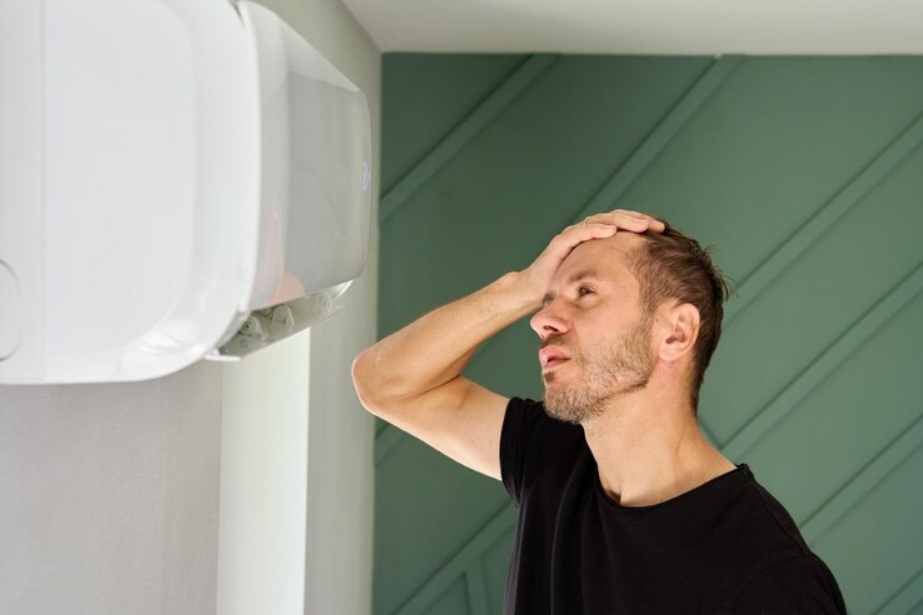
When your heater stops working, especially during the months you depend on it most, it can quickly affect your comfort at home. In Alvin, where homeowners often deal with fluctuating temperatures, a heater that won’t turn on can raise concern fast. Whether you’re getting ready for a chilly evening or waking up to a cold house, it’s a frustrating problem that needs attention. Understanding what’s behind it helps you make smarter decisions and avoid a repeat of the same issue.

A heater that won’t fire up usually points to a few common mechanical or electrical problems. The issue might be simple, like a thermostat that’s not set correctly, or more complex, like a failing ignition system. Ignoring these early signs can cause more damage over time. Learning to spot the signs early and knowing what might be causing them can help you take the right steps toward getting your home’s heat back on.

Common Causes Of Heater Malfunctions

It’s easy to think your heater has completely failed, but in many cases, the issue comes down to a few main sources. These are some of the most common reasons a residential heater in Alvin might not turn on:

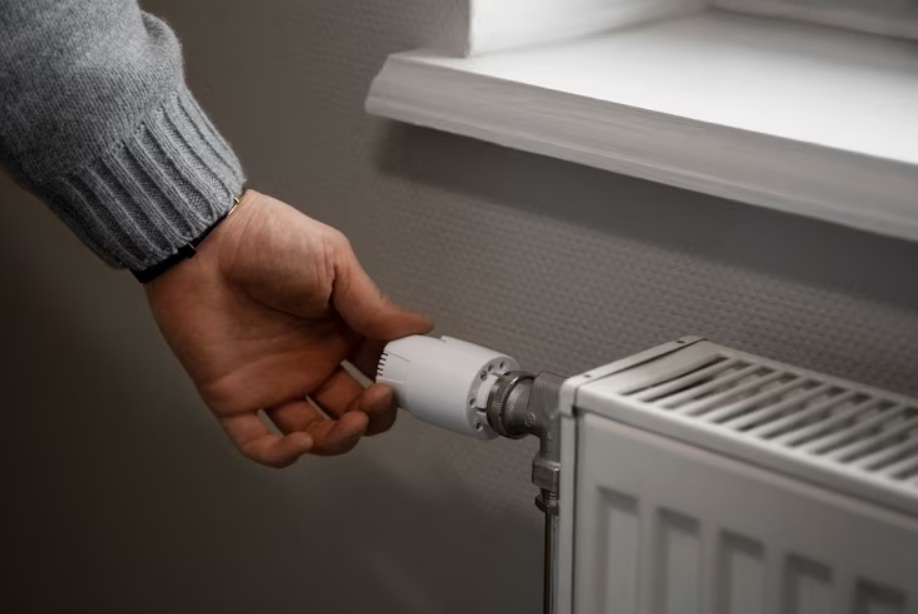
1. Thermostat Problems: If the thermostat isn’t working right, the heating system won’t know when to start. It could be set to the wrong mode (like cooling instead of heating) or there may be dead batteries if you’re using a digital thermostat. Even a small programming error can keep the heater from running.

2. Power Supply Issues: Check that your system has power. It may sound simple, but a tripped breaker or a blown fuse can keep your heater off. Some homeowners also forget to check the emergency shut-off switch, often located near the unit itself. If your heater uses gas, make sure the gas valve is open.

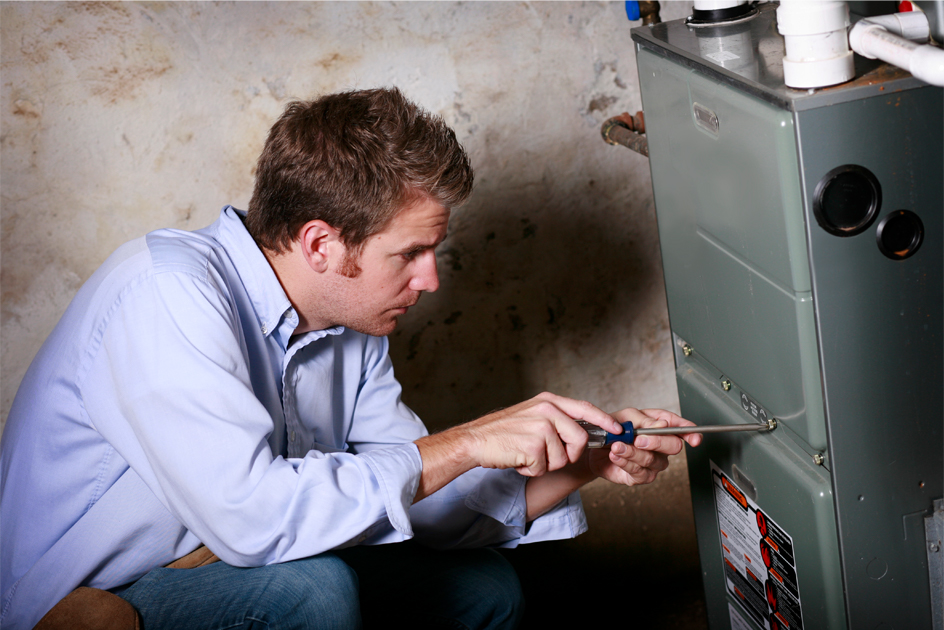
3. Ignition System Failures: For gas heaters, the ignition system is key to starting the heating process. Newer systems use electronic ignitions, while older models rely on a pilot light. If there’s a fault in the ignition sensor or pilot, the system may try to start and then shut down as a safety measure.

In Alvin, heaters often sit unused for longer stretches. That means that when they’re finally turned back on, these components can stick or fail. For example, one homeowner we helped found their heater was completely silent due to a routine power surge that reset the system, something they hadn’t noticed at all.

When you’re not sure what’s wrong, it’s safest to reach out to our professionals. These issues can sometimes overlap or trigger other problems, and accurate diagnosis matters. Quick fixes without proper checks can lead to shorter equipment life or rising energy costs.

Identifying And Addressing Airflow Problems

Even if your heater powers up, airflow trouble can stop it from pushing warm air through your ductwork. These problems are common and often overlooked.

Here are the typical reasons airflow can get blocked or reduced:

– Dirty or Clogged Filters: A dirty filter can choke your system. It blocks airflow, causes your system to overheat, and may cause it to shut off early. Filters should be checked monthly, especially during high-use periods.

– Blower Motor Issues: This motor pushes air through your ducts. If it fails or works unevenly, the heated air stays trapped. You might notice rooms getting no air at all or your system sounding quieter than normal.

– Vents and Ducts Blocked: Objects placed over vents or closed air registers restrict movement. Internal duct blockages, like lodged dust or debris, have a similar effect. Over time, this strains the entire system.

– Damaged or Collapsed Ducts: In homes where ducts run through attics or crawl spaces, they can bend or crush due to movement or pest damage. This lowers pressure and reduces how much air makes it into your rooms.

Boosting airflow starts with removing these common barriers. Homeowners in Alvin should pay close attention to any shift in how hard the heater seems to work, or if there’s a noticeable change in how evenly a home heats. Changes in airflow can point to problems inside the unit that need a closer look by our technicians.

The Importance Of Regular Maintenance

Most heater problems don’t happen overnight. Mechanical parts wear down, filters get clogged, and sensors slip out of alignment slowly. Regular maintenance helps catch these changes before they become big interruptions. If your heater hasn’t had a professional inspection in over a year, there’s a higher chance that at least one part of the system is under stress.

Preventive care doesn’t just stop future breakdowns. It also supports better airflow, helps your heater run more efficiently, and makes sure safety controls are working right. Small issues, like a dirty flame sensor or weak airflow, can sometimes be spotted early and fixed without needing parts replaced.

During a regular maintenance visit, our technicians can:

– Check and calibrate the thermostat
– Inspect electrical connections
– Examine burners and ignition components
– Test airflow quality and duct pressure
– Clean or replace filters
– Look for early signs of damage in core parts

These checks give homeowners in Alvin peace of mind that their heater will be ready when needed. Even if your heater still runs, skipping annual maintenance can shorten its lifespan. Systems that go too long without service tend to collect dust, develop minor electrical issues, or struggle to move air where it’s needed. These are silent failures that often go unnoticed until the whole system shuts down.

When To Call Our Professionals

Sometimes a heater acts like it’s working, maybe it makes noise or starts up, but the home still feels cold. Other times, it refuses to turn on at all. That’s when it’s time to bring in our professionals. Mechanical problems on their own can be tricky, but when there’s more than one issue at once, accurate diagnosis becomes more important.

Signs that tell you it’s time to call:

– The heater cycles on and off quickly
– You hear clicking sounds but no airflow follows
– The thermostat is set correctly, but the home stays cold
– You smell something unusual, like electrical burning or fuel
– There’s a flash code or blinking light on your equipment

Calling our technicians means getting a full system check, not just a quick patch. A blower motor could fail due to an airflow blockage, or a wiring error might trigger the ignition system to shut off for safety. The truth is, many heater problems are connected, and our team looks at the full picture.

If your heater keeps having performance issues every season or your energy bills keep rising despite regular settings, it’s worth having it inspected by our professionals. They’ll make sure all the moving parts and safety features are working as they should.

Keeping Your Alvin Home Comfortable Year-Round

Living in Alvin, homeowners expect shifts in outdoor temperatures. That’s why having a reliable heater matters, even if it doesn’t seem like you need it often. When a heater won’t turn on, it can throw off comfort, interrupt daily routines, and even affect your home’s indoor air quality.

Taking heat seriously means more than just flipping a switch. Paying attention to your system’s performance, how long it takes to heat your space, and how often it turns on can give you clues before anything stops working entirely. It’s easier and less expensive to fix early signs than wait until something breaks.

Comfort starts with keeping your heater ready to work when needed. Whether that means better airflow, a working thermostat, or simple wear-and-tear repairs, staying ahead of problems helps extend the life of your equipment. When you notice something doesn’t feel right, trust your instinct. It’s the first step in catching issues before they grow. A strong maintenance routine and timely support from our team make all the difference in keeping your home in Alvin comfortable.

For reliable heater repair in Alvin, Davis Mechanical Contractors is ready to help you maintain your home’s comfort and efficiency. If you notice your heater acting up or want a full check-up to catch potential issues early, our professionals can assess your system and make the necessary repairs. For a quick estimate or to book a service visit, please contact us today.
heating

Why Is My Heater Not Turning On: Common Issues in Alvin

When your heater stops working, especially during the months you depend on it most, it can quickly affect your comfort at home. In Alvin, where homeowners often deal with fluctuating temperatures, a heater that won’t turn on can raise concern fast. Whether you’re getting ready for a chilly evening or waking up to a cold house, it’s a frustrating problem that needs attention. Understanding what’s behind it helps you make smarter decisions and avoid a repeat of the same issue.

A heater that won’t fire up usually points to a few common mechanical or electrical problems. The issue might be simple, like a thermostat that’s not set correctly, or more complex, like a failing ignition system. Ignoring these early signs can cause more damage over time. Learning to spot the signs early and knowing what might be causing them can help you take the right steps toward getting your home’s heat back on.

Common Causes Of Heater Malfunctions

It’s easy to think your heater has completely failed, but in many cases, the issue comes down to a few main sources. These are some of the most common reasons a residential heater in Alvin might not turn on:

1. Thermostat Problems: If the thermostat isn’t working right, the heating system won’t know when to start. It could be set to the wrong mode (like cooling instead of heating) or there may be dead batteries if you’re using a digital thermostat. Even a small programming error can keep the heater from running.

2. Power Supply Issues: Check that your system has power. It may sound simple, but a tripped breaker or a blown fuse can keep your heater off. Some homeowners also forget to check the emergency shut-off switch, often located near the unit itself. If your heater uses gas, make sure the gas valve is open.

3. Ignition System Failures: For gas heaters, the ignition system is key to starting the heating process. Newer systems use electronic ignitions, while older models rely on a pilot light. If there’s a fault in the ignition sensor or pilot, the system may try to start and then shut down as a safety measure.

In Alvin, heaters often sit unused for longer stretches. That means that when they’re finally turned back on, these components can stick or fail. For example, one homeowner we helped found their heater was completely silent due to a routine power surge that reset the system, something they hadn’t noticed at all.

When you’re not sure what’s wrong, it’s safest to reach out to our professionals. These issues can sometimes overlap or trigger other problems, and accurate diagnosis matters. Quick fixes without proper checks can lead to shorter equipment life or rising energy costs.

Identifying And Addressing Airflow Problems

Even if your heater powers up, airflow trouble can stop it from pushing warm air through your ductwork. These problems are common and often overlooked.

Here are the typical reasons airflow can get blocked or reduced:

– Dirty or Clogged Filters: A dirty filter can choke your system. It blocks airflow, causes your system to overheat, and may cause it to shut off early. Filters should be checked monthly, especially during high-use periods.

– Blower Motor Issues: This motor pushes air through your ducts. If it fails or works unevenly, the heated air stays trapped. You might notice rooms getting no air at all or your system sounding quieter than normal.

– Vents and Ducts Blocked: Objects placed over vents or closed air registers restrict movement. Internal duct blockages, like lodged dust or debris, have a similar effect. Over time, this strains the entire system.

– Damaged or Collapsed Ducts: In homes where ducts run through attics or crawl spaces, they can bend or crush due to movement or pest damage. This lowers pressure and reduces how much air makes it into your rooms.

Boosting airflow starts with removing these common barriers. Homeowners in Alvin should pay close attention to any shift in how hard the heater seems to work, or if there’s a noticeable change in how evenly a home heats. Changes in airflow can point to problems inside the unit that need a closer look by our technicians.

The Importance Of Regular Maintenance

Most heater problems don’t happen overnight. Mechanical parts wear down, filters get clogged, and sensors slip out of alignment slowly. Regular maintenance helps catch these changes before they become big interruptions. If your heater hasn’t had a professional inspection in over a year, there’s a higher chance that at least one part of the system is under stress.

Preventive care doesn’t just stop future breakdowns. It also supports better airflow, helps your heater run more efficiently, and makes sure safety controls are working right. Small issues, like a dirty flame sensor or weak airflow, can sometimes be spotted early and fixed without needing parts replaced.

During a regular maintenance visit, our technicians can:

– Check and calibrate the thermostat
– Inspect electrical connections
– Examine burners and ignition components
– Test airflow quality and duct pressure
– Clean or replace filters
– Look for early signs of damage in core parts

These checks give homeowners in Alvin peace of mind that their heater will be ready when needed. Even if your heater still runs, skipping annual maintenance can shorten its lifespan. Systems that go too long without service tend to collect dust, develop minor electrical issues, or struggle to move air where it’s needed. These are silent failures that often go unnoticed until the whole system shuts down.

When To Call Our Professionals

Sometimes a heater acts like it’s working, maybe it makes noise or starts up, but the home still feels cold. Other times, it refuses to turn on at all. That’s when it’s time to bring in our professionals. Mechanical problems on their own can be tricky, but when there’s more than one issue at once, accurate diagnosis becomes more important.

Signs that tell you it’s time to call:

– The heater cycles on and off quickly
– You hear clicking sounds but no airflow follows
– The thermostat is set correctly, but the home stays cold
– You smell something unusual, like electrical burning or fuel
– There’s a flash code or blinking light on your equipment

Calling our technicians means getting a full system check, not just a quick patch. A blower motor could fail due to an airflow blockage, or a wiring error might trigger the ignition system to shut off for safety. The truth is, many heater problems are connected, and our team looks at the full picture.

If your heater keeps having performance issues every season or your energy bills keep rising despite regular settings, it’s worth having it inspected by our professionals. They’ll make sure all the moving parts and safety features are working as they should.

Keeping Your Alvin Home Comfortable Year-Round

Living in Alvin, homeowners expect shifts in outdoor temperatures. That’s why having a reliable heater matters, even if it doesn’t seem like you need it often. When a heater won’t turn on, it can throw off comfort, interrupt daily routines, and even affect your home’s indoor air quality.

Taking heat seriously means more than just flipping a switch. Paying attention to your system’s performance, how long it takes to heat your space, and how often it turns on can give you clues before anything stops working entirely. It’s easier and less expensive to fix early signs than wait until something breaks.

Comfort starts with keeping your heater ready to work when needed. Whether that means better airflow, a working thermostat, or simple wear-and-tear repairs, staying ahead of problems helps extend the life of your equipment. When you notice something doesn’t feel right, trust your instinct. It’s the first step in catching issues before they grow. A strong maintenance routine and timely support from our team make all the difference in keeping your home in Alvin comfortable.

For reliable heater repair in Alvin, Davis Mechanical Contractors is ready to help you maintain your home’s comfort and efficiency. If you notice your heater acting up or want a full check-up to catch potential issues early, our professionals can assess your system and make the necessary repairs. For a quick estimate or to book a service visit, please contact us today.
outdoor unit

Addressing Unusual Odors From Your Heat Pump In Alvin: Causes And Solutions

If you’ve recently noticed a strange smell coming from your heat pump, you’re not alone. Many homeowners in Alvin run into issues with odd odors during the warmer months, especially when the system hasn’t been serviced in a while. Whether it smells like burning, mildew, or something worse, the scent can be distracting and make you uncomfortable in your own home. It might be tempting to ignore it and hope it goes away, but unusual odors are usually trying to tell you there’s a problem.

Addressing these smells early matters for a few reasons. First, they can point to larger issues within the system that could affect your air quality. Second, they can signal potential damage to electrical components or other internal parts. If you’re picking up on a persistent odor, it’s best to act quickly to avoid further damage and to keep your home safe. Below are some common causes and what they may mean for your system.

Common Heat Pump Odors and What They Mean

Odd smells from a heat pump often come from internal issues that need to be addressed by a trained technician. Figuring out what type of odor you’re smelling is the first step toward finding a solution. Here are the most common odors you might notice:

1. Electrical or Burning Smell: This usually signals overheating parts or burnt wiring. It could be a motor that’s working too hard or an electrical short inside the unit. Some homeowners say it smells like plastic or rubber. Either way, it’s not safe to ignore. It needs to be checked to avoid the risk of a fire.

2. Musty or Mildew Smell: This smell comes from mold growing inside the system, usually in hidden or damp places like the evaporator coils or drain pan. High humidity in Alvin can make this worse if the unit isn’t draining water correctly. Breathing in air with mold spores is a real concern and should be handled quickly.

3. Rotten Egg Odor: This is one of the more serious smells. If you ever smell something similar to rotten eggs, leave the area and get professional help right away. While heat pumps don’t run on natural gas, your home may have nearby gas lines that need to be ruled out as the source.

4. Dirty Sock Smell: Yes, the name is odd, but it’s real. This smell happens when bacteria builds up on dirty coils and the system spreads the odor through your home. It’s more noticeable when the system first turns on after being idle for a while, especially in humid climates like Alvin.

5. Animal Smell or Decay: Sometimes rodents or other small pests find a way into your outdoor or indoor unit. If they get trapped inside, a strong odor can start to come from the system. It’s unpleasant and can also create airflow issues.

These smells may seem like minor annoyances, but they often lead to bigger issues you’re better off avoiding. If you’ve started to detect any of these odors, it’s time to figure out what’s going on inside your system before the problem grows.

How To Check For Odor Issues In Your Heat Pump

You don’t need to take apart your whole HVAC unit, but there are a few safe things you can do to identify if something’s gone wrong.

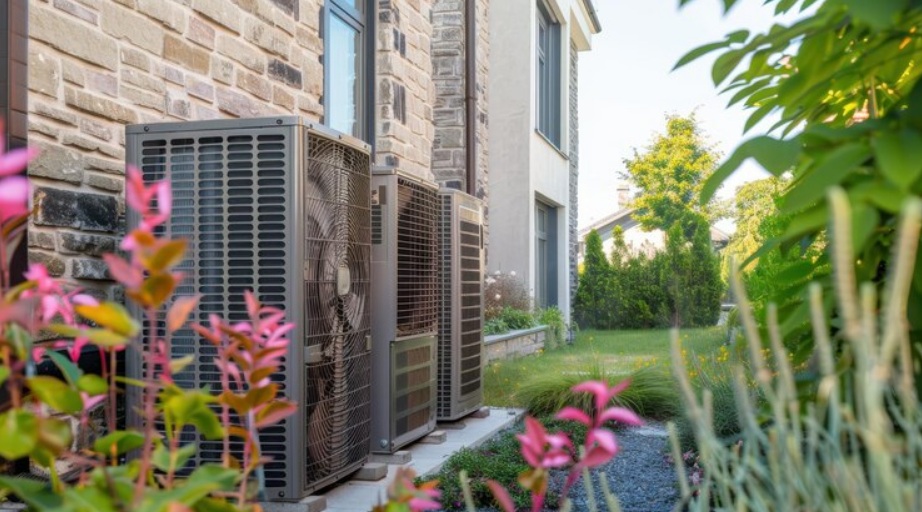
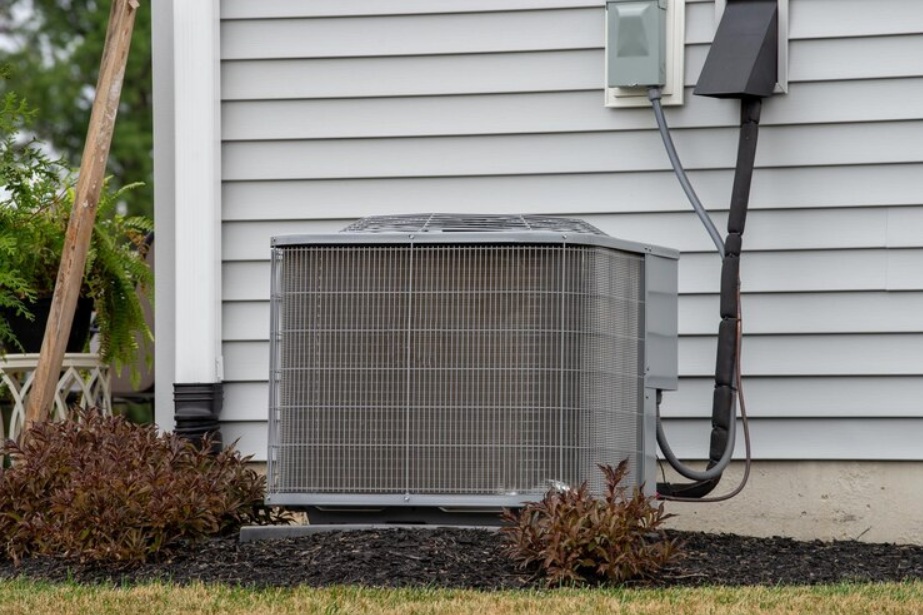
– Start with a visual inspection. Look at the outdoor unit and accessible indoor parts for signs of mold, rust, leaks, or pest activity.
– Pay attention to how the system smells when it first turns on. If the bad smell fades quickly, it might just be trapped air. If it sticks around or gets worse, there’s likely a deeper problem.
– Listen while the system is running. Gurgling, buzzing, or grinding sounds can line up with the source of certain smells like burning or mildew.
– Check for airflow problems. If you notice some rooms are affected more than others, this can help narrow down where the issue might be coming from.

Even if nothing obvious shows up during this check, strange odors point to something that needs expert attention. Only a certified technician can run a full inspection and find the exact cause. If your heat pump in Alvin has been producing unusual smells for more than a day or two, it’s worth having our professionals look at it. Acting early could mean a much simpler repair.

Why Professional Repair Makes A Difference

When you’re dealing with unusual heat pump odors, figuring out the problem on your own might seem like a way to save time. But without the right tools and experience, you could miss something serious or even make things worse. Some smells—like electrical burning or suspected gas leaks—can point to safety hazards that should only be handled by trained professionals. Our technicians know how to safely assess these risks and solve them before they lead to more damage or bigger bills.

A targeted repair saves you from guessing. Our professionals don’t just mask the smell, they pinpoint the root cause. Whether the issue is mold in the coils, decaying material, or a blocked drain line, taking the right action first ensures the problem doesn’t come back. It also prevents further wear on your heat pump. Systems running with unresolved odor issues often have parts under more strain than they should be, which can shorten the unit’s life.

Regular visits from technicians can help stop these problems before they start. A properly maintained heat pump will run cleaner and more efficiently. That means fewer odors, fewer breakdowns, and better air quality for your home. Think of it like changing the oil in your car—it’s easier and cheaper than replacing the whole engine later.

Tips To Keep Your Heat Pump Smelling Fresh

Prevention always works better than emergency repairs. With some consistent habits, you can reduce the chances of smells taking over your HVAC system. Focus on these areas regularly:

– Keep your heat pump area clean and dry. Outdoor and indoor units should be free of clutter, dust buildup, and standing water that could attract mold or rodents.
– Schedule regular maintenance. Having your system inspected at least once a year gives technicians the chance to clean internal parts and check for developing issues.
– Replace your filters when needed. Clogged filters trap moisture and dust, which create the perfect environment for bacteria and mold.
– Act quickly when you notice smells. The longer you wait, the worse the buildup gets. Address it as soon as possible.
– Make sure your drain lines stay clear. Backed-up lines can cause moisture inside the unit, leading to mildew and stagnant odors.

These steps don’t require much effort but can help keep your Alvin home more comfortable year-round. Unusual odors rarely fix themselves, so staying ahead of problems is the best way to avoid unexpected stress.

Fresh Air Starts With Heat Pump Care

A properly working heat pump should never fill your home with unpleasant smells. Whether it’s a burning odor, moldy scent, or something sour drifting through the vents, each type of smell has a source—and that source usually needs professional attention. Ignoring the problem now can turn into bigger headaches later, like breakdowns, bad air, or costly repairs.

Taking action soon doesn’t just keep your home comfortable, it also protects your family’s air quality and your system’s overall health. When something smells off with your heat pump in Alvin, it’s worth getting expert support before it becomes a major issue. A quick response today could make all the difference in keeping your HVAC system clean, safe, and running the way it should.

If you notice unusual smells or decreased performance from your heat pump, it may be time to schedule professional heat pump repair in Alvin to prevent further issues. Davis Mechanical Contractors is committed to keeping your home comfortable and safe. For a quick estimate or to book a service visit, please contact us today.
outdoor unit

Addressing Unusual Odors From Your Heat Pump In Alvin: Causes And Solutions

If you’ve recently noticed a strange smell coming from your heat pump, you’re not alone. Many homeowners in Alvin run into issues with odd odors during the warmer months, especially when the system hasn’t been serviced in a while. Whether it smells like burning, mildew, or something worse, the scent can be distracting and make you uncomfortable in your own home. It might be tempting to ignore it and hope it goes away, but unusual odors are usually trying to tell you there’s a problem.

Addressing these smells early matters for a few reasons. First, they can point to larger issues within the system that could affect your air quality. Second, they can signal potential damage to electrical components or other internal parts. If you’re picking up on a persistent odor, it’s best to act quickly to avoid further damage and to keep your home safe. Below are some common causes and what they may mean for your system.

Common Heat Pump Odors and What They Mean

Odd smells from a heat pump often come from internal issues that need to be addressed by a trained technician. Figuring out what type of odor you’re smelling is the first step toward finding a solution. Here are the most common odors you might notice:

1. Electrical or Burning Smell: This usually signals overheating parts or burnt wiring. It could be a motor that’s working too hard or an electrical short inside the unit. Some homeowners say it smells like plastic or rubber. Either way, it’s not safe to ignore. It needs to be checked to avoid the risk of a fire.

2. Musty or Mildew Smell: This smell comes from mold growing inside the system, usually in hidden or damp places like the evaporator coils or drain pan. High humidity in Alvin can make this worse if the unit isn’t draining water correctly. Breathing in air with mold spores is a real concern and should be handled quickly.

3. Rotten Egg Odor: This is one of the more serious smells. If you ever smell something similar to rotten eggs, leave the area and get professional help right away. While heat pumps don’t run on natural gas, your home may have nearby gas lines that need to be ruled out as the source.

4. Dirty Sock Smell: Yes, the name is odd, but it’s real. This smell happens when bacteria builds up on dirty coils and the system spreads the odor through your home. It’s more noticeable when the system first turns on after being idle for a while, especially in humid climates like Alvin.

5. Animal Smell or Decay: Sometimes rodents or other small pests find a way into your outdoor or indoor unit. If they get trapped inside, a strong odor can start to come from the system. It’s unpleasant and can also create airflow issues.

These smells may seem like minor annoyances, but they often lead to bigger issues you’re better off avoiding. If you’ve started to detect any of these odors, it’s time to figure out what’s going on inside your system before the problem grows.

How To Check For Odor Issues In Your Heat Pump

You don’t need to take apart your whole HVAC unit, but there are a few safe things you can do to identify if something’s gone wrong.

– Start with a visual inspection. Look at the outdoor unit and accessible indoor parts for signs of mold, rust, leaks, or pest activity.
– Pay attention to how the system smells when it first turns on. If the bad smell fades quickly, it might just be trapped air. If it sticks around or gets worse, there’s likely a deeper problem.
– Listen while the system is running. Gurgling, buzzing, or grinding sounds can line up with the source of certain smells like burning or mildew.
– Check for airflow problems. If you notice some rooms are affected more than others, this can help narrow down where the issue might be coming from.

Even if nothing obvious shows up during this check, strange odors point to something that needs expert attention. Only a certified technician can run a full inspection and find the exact cause. If your heat pump in Alvin has been producing unusual smells for more than a day or two, it’s worth having our professionals look at it. Acting early could mean a much simpler repair.

Why Professional Repair Makes A Difference

When you’re dealing with unusual heat pump odors, figuring out the problem on your own might seem like a way to save time. But without the right tools and experience, you could miss something serious or even make things worse. Some smells—like electrical burning or suspected gas leaks—can point to safety hazards that should only be handled by trained professionals. Our technicians know how to safely assess these risks and solve them before they lead to more damage or bigger bills.

A targeted repair saves you from guessing. Our professionals don’t just mask the smell, they pinpoint the root cause. Whether the issue is mold in the coils, decaying material, or a blocked drain line, taking the right action first ensures the problem doesn’t come back. It also prevents further wear on your heat pump. Systems running with unresolved odor issues often have parts under more strain than they should be, which can shorten the unit’s life.

Regular visits from technicians can help stop these problems before they start. A properly maintained heat pump will run cleaner and more efficiently. That means fewer odors, fewer breakdowns, and better air quality for your home. Think of it like changing the oil in your car—it’s easier and cheaper than replacing the whole engine later.

Tips To Keep Your Heat Pump Smelling Fresh

Prevention always works better than emergency repairs. With some consistent habits, you can reduce the chances of smells taking over your HVAC system. Focus on these areas regularly:

– Keep your heat pump area clean and dry. Outdoor and indoor units should be free of clutter, dust buildup, and standing water that could attract mold or rodents.
– Schedule regular maintenance. Having your system inspected at least once a year gives technicians the chance to clean internal parts and check for developing issues.
– Replace your filters when needed. Clogged filters trap moisture and dust, which create the perfect environment for bacteria and mold.
– Act quickly when you notice smells. The longer you wait, the worse the buildup gets. Address it as soon as possible.
– Make sure your drain lines stay clear. Backed-up lines can cause moisture inside the unit, leading to mildew and stagnant odors.

These steps don’t require much effort but can help keep your Alvin home more comfortable year-round. Unusual odors rarely fix themselves, so staying ahead of problems is the best way to avoid unexpected stress.

Fresh Air Starts With Heat Pump Care

A properly working heat pump should never fill your home with unpleasant smells. Whether it’s a burning odor, moldy scent, or something sour drifting through the vents, each type of smell has a source—and that source usually needs professional attention. Ignoring the problem now can turn into bigger headaches later, like breakdowns, bad air, or costly repairs.

Taking action soon doesn’t just keep your home comfortable, it also protects your family’s air quality and your system’s overall health. When something smells off with your heat pump in Alvin, it’s worth getting expert support before it becomes a major issue. A quick response today could make all the difference in keeping your HVAC system clean, safe, and running the way it should.

If you notice unusual smells or decreased performance from your heat pump, it may be time to schedule professional heat pump repair in Alvin to prevent further issues. Davis Mechanical Contractors is committed to keeping your home comfortable and safe. For a quick estimate or to book a service visit, please contact us today.
air conditioner

Why Is My AC Running Constantly Without Cooling My Alvin Home?

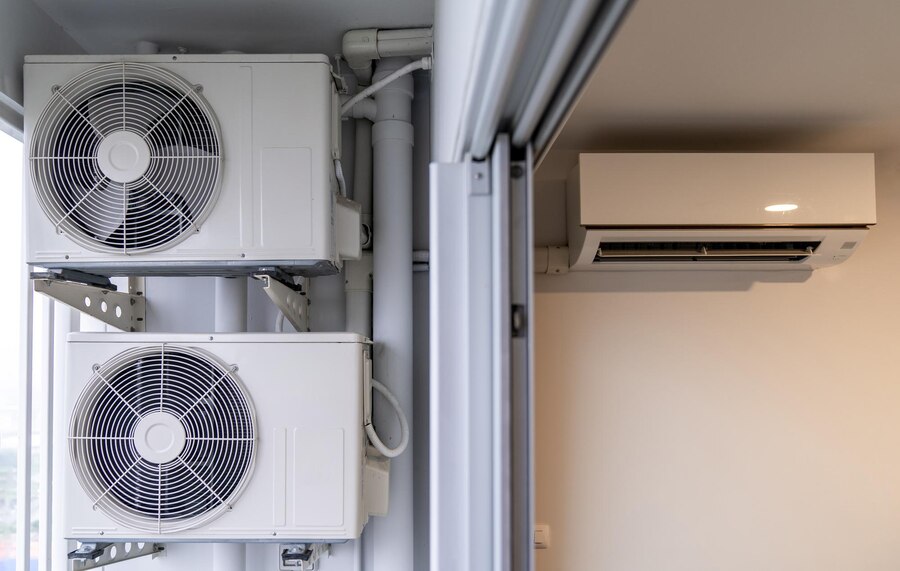
When your AC is constantly running but your home in Alvin still feels warm and uncomfortable, it’s a clear signal something isn’t working right. An air conditioner is supposed to cycle on and off throughout the day, bringing your indoor temperature down and keeping it stable. But when it keeps running without cooling the space, it not only affects your comfort—it can also drive up your energy bill and wear out your system faster than normal.

This type of issue can have several different causes, some minor and some more serious. The faster the cause is identified, the easier it is to fix before it leads to something bigger. Whether it’s a clogged filter, low refrigerant, or oversized indoor heat, each reason brings its own set of problems. The good news is most of these issues can be handled by our technicians with the right tools and experience.

Common Causes of Constant AC Operation Without Cooling

When an AC keeps running without bringing the temperature down, something inside the system is likely restricting performance. Here are some of the most common reasons this happens:

1. Dirty or Clogged Air Filter: Clogged filters restrict airflow. When air can’t move freely through your system, your AC has to work harder just to do its job. Over time, this can make it run almost nonstop without effectively cooling the home. Filters should be clean to allow returned air to pass through easily. Many homeowners in Alvin overlook how fast filters can become blocked, especially during long stretches of hot weather.

2. Low Refrigerant Levels: Refrigerant helps remove heat from the air inside your home. If the refrigerant is low, your system can’t absorb or move heat the way it’s supposed to. This results in an AC that blows air—just not cool air. The system senses the right temperature hasn’t been reached, so it keeps running in an attempt to cool. It never gets there. If you hear hissing sounds or notice ice on the lines, these can be signs that your refrigerant is too low.

3. Faulty Thermostat: If the thermostat is sending the wrong signals to your system, your AC may run continuously and never get the stop signal. Older thermostats that haven’t been calibrated in a while may misread the room temperature. Even digital ones can glitch or lose their accuracy over time. This is a common issue in homes where the AC won’t shut off, but the actual temperature doesn’t get any cooler.

4. Dirty Condenser Coils: Your outdoor condensing unit has coils that release heat pulled from inside your home. When those coils are covered in grime, dust, grass, or leaves, they can’t do this job efficiently. That makes your system take longer to cool or fail to cool entirely. In Alvin, where outdoor units often work overtime during hot months, this type of buildup can show up quickly and really slow things down.

5. Fan Problems: The AC fan inside your unit helps push air over the evaporator coil and then through your ducts. If the fan motor is weak or has stopped working, that airflow doesn’t circulate properly and you may end up with warm or uneven air distribution. In some cases, the fan runs, but the speed is lower than it should be, which still results in poor performance. When the airflow drops, the system runs longer trying to catch up.

These issues don’t just affect system performance—they make it harder to keep your home cool and comfortable. Ignoring them can lead to damage that costs more to repair. If your AC is constantly running and not cooling, one or more of these causes may be at play.

Diagnosing the Issue

Understanding what’s going on with your AC starts with careful inspection. While there are many possible reasons for poor airflow or nonstop operation, a few signs can help move the diagnosis in the right direction. These steps can help catch the issue before it grows into a larger system problem.

Here are a few checks you can do:

– Inspect the air filter: If it looks gray or dusty, it’s more than likely ready to be replaced. Hold it up to a light—if you can’t see light through it, it’s too dirty.
– Look at the thermostat: Double-check the settings. Make sure it’s not stuck in an ON mode instead of AUTO. If the thermostat seems unresponsive or the room feels cooler or warmer than it reads, there may be a calibration issue.
– Check outdoor unit coils: Stand next to the outdoor unit and look for visible dirt or grime on the coils. If you notice buildup or restricted air blowing from the unit, that could be affecting heat release.
– Listen for unusual noises: A buzzing, grinding, or hissing sound can point to issues like electrical problems or low refrigerant. These noises are clues something mechanical is failing inside the unit.
– Feel the air from the vents: Place your hand near a few of your AC vents during operation. The airflow should be steady and cool. If it’s weak or warm, it confirms the system isn’t cooling the way it should.

For example, one Alvin homeowner noticed their thermostat was set correctly but their home stayed hot no matter how long the AC ran. Once they checked the system more closely, they found their filter hadn’t been changed in months, and the outdoor unit was clogged with leaves. A technician visit confirmed both the coil and capacitor were dirty, which explained the nonstop cycling. A quick maintenance check got everything back on track before the unit wore out completely.

While these steps can help point you in the right direction, it’s best to let our professionals handle deeper diagnostics, which may involve checking refrigerant levels, testing electrical components, and inspecting internal mechanical parts. Accurate diagnosis helps avoid unnecessary repairs and gets your AC working correctly again.

Why Professional Help Is Necessary

When your AC won’t stop running and still fails to cool your home, it’s not something that should be left alone or put off. It might be tempting to assume the issue will fix itself, or that resetting the system will do the job, but repeated problems usually suggest something deeper is wrong. Systems that operate this way are more likely to overheat or break down completely. That sort of damage adds up and often results in costlier repairs or even a full replacement.

Our professionals are trained to locate and fix problems that homeowners might miss. For example, a unit might appear clean but still have blocked internal coils or small refrigerant leaks. These aren’t visible without opening the machine and using specialized equipment. Without the proper tools, even diagnosing the exact cause can be difficult. Our technicians can safely check electrical components, test refrigerant pressure, and inspect sealed parts to ensure everything works properly and efficiently.

Routine maintenance is one of the best ways to prevent these situations entirely. Small problems can be caught early during a tune-up long before they grow into larger ones. It’s easy to overlook minor wear or a dirty sensor until the system starts acting up or becomes less responsive. Regular service helps keep your AC tuned, clean, and reliable throughout Alvin’s hottest months.

How to Prevent Future AC Problems

Taking a few simple steps throughout the year can help stop your AC from running non-stop or blowing warm air. These small habits make a big difference and give your system the best shot at running efficiently.

To reduce the chances of system issues:

– Replace air filters regularly: A good rule of thumb is once every 1 to 3 months, depending on how often your system runs. If you have pets or a lot of dust, monthly changes are best.
– Schedule yearly maintenance: One visit from our technicians each year can help keep your system in great shape. They’ll clean internal parts, check refrigerant levels, and test system controls so everything stays balanced.
– Keep outdoor units clear: Make sure there’s at least two feet of clear space around the condenser unit. Remove leaves, trim bushes, and avoid stacking garden items nearby. Good airflow around the unit has a major effect on cooling.
– Adjust your thermostat settings: Avoid setting your thermostat too low while trying to cool the house faster. It makes the system run longer without actually cooling quicker. Use recommended temperature ranges and allow time for the space to adjust.

One homeowner in Alvin had an AC that couldn’t keep up during a particularly hot week. After our technician visited, they discovered the unit was crammed into a tight corner with weeds creeping up the back. The airflow had been restricted for weeks without them realizing. A quick cleanup, some minor maintenance, and a filter change restored full performance without the need for major repairs.

Keep Your Home Cool And Comfortable

Living in Alvin means dealing with long stretches of warm temperatures, especially during the summer months. If your AC keeps running but barely cools your home, it’s not something to ignore. Over time, the added wear on the system affects both comfort and system life. Getting ahead of these problems saves time, lowers stress, and helps your cooling equipment last longer.

Knowing the warning signs is the first step, but taking action early can make all the difference. Whether it’s routine maintenance or a more urgent repair, getting help from our technicians keeps your system headed in the right direction. A properly working AC should give you reliable cooling without running your energy bill up or making your home feel uncomfortable. Identifying the problem, fixing it fast, and staying on schedule with inspections is the key to staying cool throughout the season.

Need reliable help when your air conditioning system is not performing as it should in Alvin? Davis Mechanical Contractors offers prompt and professional support to resolve persistent cooling issues. Our professionals carefully inspect and service your system to prevent further complications and ensure efficient performance. For expert AC repair in Alvin, trust our team to address the problem swiftly and effectively, and for a quick estimate or to book a service visit, please contact us today.
air conditioner

Why Is My AC Running Constantly Without Cooling My Alvin Home?

When your AC is constantly running but your home in Alvin still feels warm and uncomfortable, it’s a clear signal something isn’t working right. An air conditioner is supposed to cycle on and off throughout the day, bringing your indoor temperature down and keeping it stable. But when it keeps running without cooling the space, it not only affects your comfort—it can also drive up your energy bill and wear out your system faster than normal.

This type of issue can have several different causes, some minor and some more serious. The faster the cause is identified, the easier it is to fix before it leads to something bigger. Whether it’s a clogged filter, low refrigerant, or oversized indoor heat, each reason brings its own set of problems. The good news is most of these issues can be handled by our technicians with the right tools and experience.

Common Causes of Constant AC Operation Without Cooling

When an AC keeps running without bringing the temperature down, something inside the system is likely restricting performance. Here are some of the most common reasons this happens:

1. Dirty or Clogged Air Filter: Clogged filters restrict airflow. When air can’t move freely through your system, your AC has to work harder just to do its job. Over time, this can make it run almost nonstop without effectively cooling the home. Filters should be clean to allow returned air to pass through easily. Many homeowners in Alvin overlook how fast filters can become blocked, especially during long stretches of hot weather.

2. Low Refrigerant Levels: Refrigerant helps remove heat from the air inside your home. If the refrigerant is low, your system can’t absorb or move heat the way it’s supposed to. This results in an AC that blows air—just not cool air. The system senses the right temperature hasn’t been reached, so it keeps running in an attempt to cool. It never gets there. If you hear hissing sounds or notice ice on the lines, these can be signs that your refrigerant is too low.

3. Faulty Thermostat: If the thermostat is sending the wrong signals to your system, your AC may run continuously and never get the stop signal. Older thermostats that haven’t been calibrated in a while may misread the room temperature. Even digital ones can glitch or lose their accuracy over time. This is a common issue in homes where the AC won’t shut off, but the actual temperature doesn’t get any cooler.

4. Dirty Condenser Coils: Your outdoor condensing unit has coils that release heat pulled from inside your home. When those coils are covered in grime, dust, grass, or leaves, they can’t do this job efficiently. That makes your system take longer to cool or fail to cool entirely. In Alvin, where outdoor units often work overtime during hot months, this type of buildup can show up quickly and really slow things down.

5. Fan Problems: The AC fan inside your unit helps push air over the evaporator coil and then through your ducts. If the fan motor is weak or has stopped working, that airflow doesn’t circulate properly and you may end up with warm or uneven air distribution. In some cases, the fan runs, but the speed is lower than it should be, which still results in poor performance. When the airflow drops, the system runs longer trying to catch up.

These issues don’t just affect system performance—they make it harder to keep your home cool and comfortable. Ignoring them can lead to damage that costs more to repair. If your AC is constantly running and not cooling, one or more of these causes may be at play.

Diagnosing the Issue

Understanding what’s going on with your AC starts with careful inspection. While there are many possible reasons for poor airflow or nonstop operation, a few signs can help move the diagnosis in the right direction. These steps can help catch the issue before it grows into a larger system problem.

Here are a few checks you can do:

– Inspect the air filter: If it looks gray or dusty, it’s more than likely ready to be replaced. Hold it up to a light—if you can’t see light through it, it’s too dirty.
– Look at the thermostat: Double-check the settings. Make sure it’s not stuck in an ON mode instead of AUTO. If the thermostat seems unresponsive or the room feels cooler or warmer than it reads, there may be a calibration issue.
– Check outdoor unit coils: Stand next to the outdoor unit and look for visible dirt or grime on the coils. If you notice buildup or restricted air blowing from the unit, that could be affecting heat release.
– Listen for unusual noises: A buzzing, grinding, or hissing sound can point to issues like electrical problems or low refrigerant. These noises are clues something mechanical is failing inside the unit.
– Feel the air from the vents: Place your hand near a few of your AC vents during operation. The airflow should be steady and cool. If it’s weak or warm, it confirms the system isn’t cooling the way it should.

For example, one Alvin homeowner noticed their thermostat was set correctly but their home stayed hot no matter how long the AC ran. Once they checked the system more closely, they found their filter hadn’t been changed in months, and the outdoor unit was clogged with leaves. A technician visit confirmed both the coil and capacitor were dirty, which explained the nonstop cycling. A quick maintenance check got everything back on track before the unit wore out completely.

While these steps can help point you in the right direction, it’s best to let our professionals handle deeper diagnostics, which may involve checking refrigerant levels, testing electrical components, and inspecting internal mechanical parts. Accurate diagnosis helps avoid unnecessary repairs and gets your AC working correctly again.

Why Professional Help Is Necessary

When your AC won’t stop running and still fails to cool your home, it’s not something that should be left alone or put off. It might be tempting to assume the issue will fix itself, or that resetting the system will do the job, but repeated problems usually suggest something deeper is wrong. Systems that operate this way are more likely to overheat or break down completely. That sort of damage adds up and often results in costlier repairs or even a full replacement.

Our professionals are trained to locate and fix problems that homeowners might miss. For example, a unit might appear clean but still have blocked internal coils or small refrigerant leaks. These aren’t visible without opening the machine and using specialized equipment. Without the proper tools, even diagnosing the exact cause can be difficult. Our technicians can safely check electrical components, test refrigerant pressure, and inspect sealed parts to ensure everything works properly and efficiently.

Routine maintenance is one of the best ways to prevent these situations entirely. Small problems can be caught early during a tune-up long before they grow into larger ones. It’s easy to overlook minor wear or a dirty sensor until the system starts acting up or becomes less responsive. Regular service helps keep your AC tuned, clean, and reliable throughout Alvin’s hottest months.

How to Prevent Future AC Problems

Taking a few simple steps throughout the year can help stop your AC from running non-stop or blowing warm air. These small habits make a big difference and give your system the best shot at running efficiently.

To reduce the chances of system issues:

– Replace air filters regularly: A good rule of thumb is once every 1 to 3 months, depending on how often your system runs. If you have pets or a lot of dust, monthly changes are best.
– Schedule yearly maintenance: One visit from our technicians each year can help keep your system in great shape. They’ll clean internal parts, check refrigerant levels, and test system controls so everything stays balanced.
– Keep outdoor units clear: Make sure there’s at least two feet of clear space around the condenser unit. Remove leaves, trim bushes, and avoid stacking garden items nearby. Good airflow around the unit has a major effect on cooling.
– Adjust your thermostat settings: Avoid setting your thermostat too low while trying to cool the house faster. It makes the system run longer without actually cooling quicker. Use recommended temperature ranges and allow time for the space to adjust.

One homeowner in Alvin had an AC that couldn’t keep up during a particularly hot week. After our technician visited, they discovered the unit was crammed into a tight corner with weeds creeping up the back. The airflow had been restricted for weeks without them realizing. A quick cleanup, some minor maintenance, and a filter change restored full performance without the need for major repairs.

Keep Your Home Cool And Comfortable

Living in Alvin means dealing with long stretches of warm temperatures, especially during the summer months. If your AC keeps running but barely cools your home, it’s not something to ignore. Over time, the added wear on the system affects both comfort and system life. Getting ahead of these problems saves time, lowers stress, and helps your cooling equipment last longer.

Knowing the warning signs is the first step, but taking action early can make all the difference. Whether it’s routine maintenance or a more urgent repair, getting help from our technicians keeps your system headed in the right direction. A properly working AC should give you reliable cooling without running your energy bill up or making your home feel uncomfortable. Identifying the problem, fixing it fast, and staying on schedule with inspections is the key to staying cool throughout the season.

Need reliable help when your air conditioning system is not performing as it should in Alvin? Davis Mechanical Contractors offers prompt and professional support to resolve persistent cooling issues. Our professionals carefully inspect and service your system to prevent further complications and ensure efficient performance. For expert AC repair in Alvin, trust our team to address the problem swiftly and effectively, and for a quick estimate or to book a service visit, please contact us today.
heat pump

How To Recognize When Your Heat Pump Compressor Is Failing In Alvin

Your heat pump is built to keep your home in Alvin comfortable all year, especially during the hot summer stretch. But when the compressor inside starts to fail, your entire system can lose power, make strange noises, or even stop working completely. Most problems do not pop up overnight — they usually build up slowly. That is why recognizing the early signs saves you time, trouble, and the frustration of a full system breakdown.

If your heat pump is not running like it used to, the compressor could be the issue. This key component controls how the refrigerant moves through your system. Without it, your heat pump will not cool properly. Rather than waiting for total failure, it is better to spot problems early and take action. In Alvin, where air conditioning is not just a luxury but a necessity during the summer, addressing compressor problems quickly can help keep your home cool without interruptions.

Identifying Warning Signs Of A Failing Compressor

A compressor does not shut down without warning. Most units give off signs long before a failure, but many homeowners overlook them or think they are just part of normal wear. If you are noticing new behavior in your system, especially during peak cooling months in Alvin, these are some red flags to take seriously.

Watch out for the following signs:

1. Strange Noises: If your heat pump starts making rattling, grinding, or hissing sounds while it runs, something is not right. Loud or unusual noises often mean loose parts, pressure issues, or internal damage inside the compressor.

2. System Short Cycling: Your heat pump should not be turning on and off repeatedly in a short period. This pattern, known as short cycling, usually points to an electrical issue or overheating compressor.

3. Poor Cooling: If you have set your thermostat correctly but the air coming from the vents feels warm or barely cool, the compressor may be losing its ability to compress refrigerant effectively.

4. Higher Than Usual Energy Bills: A spike in your energy usage—with no change in your cooling habits—is another sign your system is working harder than it should. A struggling compressor often uses more electricity as it tries to do the same job.

5. Tripped Breakers: A breaker that trips every time the unit kicks on could mean the compressor is drawing too much power. This points to a larger electrical problem or internal failure.

It is easy to dismiss these signs, especially when your system still turns on, but delaying repairs usually causes more damage to the compressor and surrounding parts.

Main Causes Behind Compressor Failure

Knowing what wears down your heat pump compressor helps you avoid problems before they become serious. When homeowners in Alvin understand what contributes to failure, they are more likely to spot and respond to those early signs.

Here are the most common causes:

– Age of the Unit: Like any component, compressors wear down as they age. If your heat pump is over a decade old and begins acting up, age could be the main reason.

– Electrical Issues: A bad capacitor, faulty contacts, or failed motor inside the system can cause irregular voltage. When voltage jumps or drops suddenly, it overwhelms the compressor.

– Overheating: Poor ventilation around the outdoor unit or restricted airflow can cause temperatures to rise inside the system. When it overheats, protective sensors usually shut the unit down, but repeated overheating damages the compressor over time.

– Low Refrigerant Levels: If there is a refrigerant leak, your compressor has to work harder to maintain pressure. Over time, that extra stress leads to overheating or burnout.

Think of the compressor like the engine in your car. If you run it with low oil, clogged filters, or bad wiring, you will eventually deal with a serious breakdown. The same concept applies here. Once a compressor starts slipping, the rest of your system feels the stress. That is why getting ahead of the issue matters — and why waiting too long can lead to a costly heat pump replacement in Alvin.

When To Call In The Professionals

Once you have noticed the signs of compressor trouble and have a good understanding of what might be causing it, the next step is contacting trained professionals. A failing compressor is not something that can wait. And it is definitely not something to attempt repairing on your own. Compressors operate with complex parts and high electric loads that make them both dangerous and easy to damage without the right tools and experience.

Calling in our professionals allows your system to get a full diagnostic check. They will determine if the compressor is repairable or if a replacement is necessary. Sometimes, the problem may start with other connected components like the capacitor or contactor, but without addressing the root issue correctly, your system could keep cycling through failures.

There are also safety concerns. A compressor that is drawing too much power or constantly overheating can permanently damage the electrical system connected to your HVAC system. If your heat pump is frequently tripping breakers, it may seem like a minor inconvenience, but it is a warning sign of overload. Leaving this unchecked can lead to larger, more expensive problems down the road.

Another factor homeowners in Alvin should consider is long-term maintenance. Having our technicians inspect your system on a regular schedule can catch small issues before they grow. It also keeps your equipment running efficiently, especially during the hottest months when your system works the hardest. Professional service protects both the performance and the lifespan of your compressor and unit.

Heat Pump Care Tips For Long-Term Comfort

Replacing a heat pump compressor can be expensive and frustrating. While not every failure is preventable, staying on top of maintenance can reduce the chances of a total shutdown. Taking care of your heat pump means less stress, better cooling, and fewer disruptions to your home comfort.

Here are some simple ways homeowners in Alvin can support a longer compressor life:

– Schedule routine HVAC inspections at least once a year. Technicians can test the compressor, refrigerant charge, and electrical components.
– Keep the outdoor unit clean. Make sure it is free from leaves, dirt, grass clippings, and other debris that can block airflow.
– Ensure there is good clearance around the unit. Aim for at least two feet of space on all sides to allow proper ventilation.
– Change your air filters regularly. Clogged filters reduce airflow and make your system work harder than needed.
– Do not ignore early signs of trouble. Strange sounds, warmer indoor air, or inconsistent cooling are not normal and should be checked sooner rather than later.

Following these steps does not take much time, but it creates real results when it comes to preventing heat pump replacement in Alvin. Keeping your system clean and monitored sets it up for a longer and more reliable life.

Protecting Your Comfort in Alvin

A working heat pump means more than cool air — it means peace of mind during summer months when you need relief from the heat. Compressor failure is one of the more serious issues that could leave your entire system shut down, but it usually gives homeowners signs early enough to do something about it. Knowing what to look for and understanding when to reach out for help can save you stress and money later on.

When you are prepared and take steps to protect your system, it becomes easier to spot problems early and fix them before growing worse. That is how you avoid a full heat pump replacement in Alvin and keep your home running the way it should. Staying consistent with upkeep and listening to your system can make all the difference.

If your home is showing signs of compressor issues that could lead to a heat pump replacement in Alvin, trust the experts at Davis Mechanical Contractors to provide timely, professional solutions that restore your comfort and peace of mind. For a quick estimate or to book a service visit, please contact us today.

heat pump

How To Recognize When Your Heat Pump Compressor Is Failing In Alvin

Your heat pump is built to keep your home in Alvin comfortable all year, especially during the hot summer stretch. But when the compressor inside starts to fail, your entire system can lose power, make strange noises, or even stop working completely. Most problems do not pop up overnight — they usually build up slowly. That is why recognizing the early signs saves you time, trouble, and the frustration of a full system breakdown.

If your heat pump is not running like it used to, the compressor could be the issue. This key component controls how the refrigerant moves through your system. Without it, your heat pump will not cool properly. Rather than waiting for total failure, it is better to spot problems early and take action. In Alvin, where air conditioning is not just a luxury but a necessity during the summer, addressing compressor problems quickly can help keep your home cool without interruptions.

Identifying Warning Signs Of A Failing Compressor

A compressor does not shut down without warning. Most units give off signs long before a failure, but many homeowners overlook them or think they are just part of normal wear. If you are noticing new behavior in your system, especially during peak cooling months in Alvin, these are some red flags to take seriously.

Watch out for the following signs:

1. Strange Noises: If your heat pump starts making rattling, grinding, or hissing sounds while it runs, something is not right. Loud or unusual noises often mean loose parts, pressure issues, or internal damage inside the compressor.

2. System Short Cycling: Your heat pump should not be turning on and off repeatedly in a short period. This pattern, known as short cycling, usually points to an electrical issue or overheating compressor.

3. Poor Cooling: If you have set your thermostat correctly but the air coming from the vents feels warm or barely cool, the compressor may be losing its ability to compress refrigerant effectively.

4. Higher Than Usual Energy Bills: A spike in your energy usage—with no change in your cooling habits—is another sign your system is working harder than it should. A struggling compressor often uses more electricity as it tries to do the same job.

5. Tripped Breakers: A breaker that trips every time the unit kicks on could mean the compressor is drawing too much power. This points to a larger electrical problem or internal failure.

It is easy to dismiss these signs, especially when your system still turns on, but delaying repairs usually causes more damage to the compressor and surrounding parts.

Main Causes Behind Compressor Failure

Knowing what wears down your heat pump compressor helps you avoid problems before they become serious. When homeowners in Alvin understand what contributes to failure, they are more likely to spot and respond to those early signs.

Here are the most common causes:

– Age of the Unit: Like any component, compressors wear down as they age. If your heat pump is over a decade old and begins acting up, age could be the main reason.

– Electrical Issues: A bad capacitor, faulty contacts, or failed motor inside the system can cause irregular voltage. When voltage jumps or drops suddenly, it overwhelms the compressor.

– Overheating: Poor ventilation around the outdoor unit or restricted airflow can cause temperatures to rise inside the system. When it overheats, protective sensors usually shut the unit down, but repeated overheating damages the compressor over time.

– Low Refrigerant Levels: If there is a refrigerant leak, your compressor has to work harder to maintain pressure. Over time, that extra stress leads to overheating or burnout.

Think of the compressor like the engine in your car. If you run it with low oil, clogged filters, or bad wiring, you will eventually deal with a serious breakdown. The same concept applies here. Once a compressor starts slipping, the rest of your system feels the stress. That is why getting ahead of the issue matters — and why waiting too long can lead to a costly heat pump replacement in Alvin.

When To Call In The Professionals

Once you have noticed the signs of compressor trouble and have a good understanding of what might be causing it, the next step is contacting trained professionals. A failing compressor is not something that can wait. And it is definitely not something to attempt repairing on your own. Compressors operate with complex parts and high electric loads that make them both dangerous and easy to damage without the right tools and experience.

Calling in our professionals allows your system to get a full diagnostic check. They will determine if the compressor is repairable or if a replacement is necessary. Sometimes, the problem may start with other connected components like the capacitor or contactor, but without addressing the root issue correctly, your system could keep cycling through failures.

There are also safety concerns. A compressor that is drawing too much power or constantly overheating can permanently damage the electrical system connected to your HVAC system. If your heat pump is frequently tripping breakers, it may seem like a minor inconvenience, but it is a warning sign of overload. Leaving this unchecked can lead to larger, more expensive problems down the road.

Another factor homeowners in Alvin should consider is long-term maintenance. Having our technicians inspect your system on a regular schedule can catch small issues before they grow. It also keeps your equipment running efficiently, especially during the hottest months when your system works the hardest. Professional service protects both the performance and the lifespan of your compressor and unit.

Heat Pump Care Tips For Long-Term Comfort

Replacing a heat pump compressor can be expensive and frustrating. While not every failure is preventable, staying on top of maintenance can reduce the chances of a total shutdown. Taking care of your heat pump means less stress, better cooling, and fewer disruptions to your home comfort.

Here are some simple ways homeowners in Alvin can support a longer compressor life:

– Schedule routine HVAC inspections at least once a year. Technicians can test the compressor, refrigerant charge, and electrical components.
– Keep the outdoor unit clean. Make sure it is free from leaves, dirt, grass clippings, and other debris that can block airflow.
– Ensure there is good clearance around the unit. Aim for at least two feet of space on all sides to allow proper ventilation.
– Change your air filters regularly. Clogged filters reduce airflow and make your system work harder than needed.
– Do not ignore early signs of trouble. Strange sounds, warmer indoor air, or inconsistent cooling are not normal and should be checked sooner rather than later.

Following these steps does not take much time, but it creates real results when it comes to preventing heat pump replacement in Alvin. Keeping your system clean and monitored sets it up for a longer and more reliable life.

Protecting Your Comfort in Alvin

A working heat pump means more than cool air — it means peace of mind during summer months when you need relief from the heat. Compressor failure is one of the more serious issues that could leave your entire system shut down, but it usually gives homeowners signs early enough to do something about it. Knowing what to look for and understanding when to reach out for help can save you stress and money later on.

When you are prepared and take steps to protect your system, it becomes easier to spot problems early and fix them before growing worse. That is how you avoid a full heat pump replacement in Alvin and keep your home running the way it should. Staying consistent with upkeep and listening to your system can make all the difference.

If your home is showing signs of compressor issues that could lead to a heat pump replacement in Alvin, trust the experts at Davis Mechanical Contractors to provide timely, professional solutions that restore your comfort and peace of mind. For a quick estimate or to book a service visit, please contact us today.

electrical

AC Tripping Your Circuit Breaker In Alvin: Here’s What Might Be Happening

When the temperature climbs in Alvin and your air conditioner becomes your home’s most important appliance, the last thing you want is for it to shut off unexpectedly. If your AC is constantly tripping your circuit breaker, it’s more than just a nuisance—it’s a sign that something isn’t working right. Knowing why this happens can help protect your HVAC system and keep your home comfortable.

An occasional trip might not seem like a big deal. But if it keeps happening, it usually means your system is drawing more power than it should. This can strain your AC unit, reduce efficiency, and leave your home uncomfortably warm. Below are the most common causes of an AC tripping the breaker and what might be going on behind the scenes.

How ACs Overload Breakers

Your AC relies on a steady, reliable power supply. When it’s running efficiently, it pulls just enough electricity to cycle on, cool the home, and cycle off again. But if it starts demanding too much electricity, usually because something’s wrong, it can trip the circuit breaker to prevent overheating or damage.

The breaker acts as a safety feature. It’s designed to shut off power when a circuit becomes overloaded. In the case of your AC, this often means the unit is overexerting itself. That could happen due to clogged parts, failing components, or issues with how electricity is flowing through the system. Tripping is the system’s way of telling you that it’s working too hard or something’s off.

For example, imagine a family in Alvin running their AC day and night during a heatwave. When they notice the unit shutting off and the breaker flipping repeatedly, they assume it’s a power issue. But the actual cause was a dirty coil that prevented airflow, forced the compressor to work overtime, and overloaded the system. The solution was a professional cleaning and inspection that identified the root problem before serious damage occurred.

If your AC is doing the same, it’s likely trying to protect itself. The important part is identifying what’s causing the overload, so the issue doesn’t lead to more expensive repairs down the line.

Top Reasons Your AC Breaker Keeps Tripping

Several things can cause your AC to draw more power than the circuit is designed to handle. These are the most common culprits:

– Dirty or clogged air filter: When filters are packed with dust and debris, air can’t pass through freely. This reduces efficiency and forces the system to pull more electricity just to keep the house cool.
– Low refrigerant: Without enough refrigerant, your system can’t cool properly. It overcompensates and may run too long, leading to overheating and tripped breakers.
– Faulty capacitor: A capacitor helps start the motor in your AC. If it’s failing, it could cause the unit to struggle during startup, drawing more electricity than it should.
– Failing compressor: The compressor handles a lot of the heavy lifting when it comes to cooling your home. When it’s worn out or malfunctioning, it stresses the entire system and increases power draw.
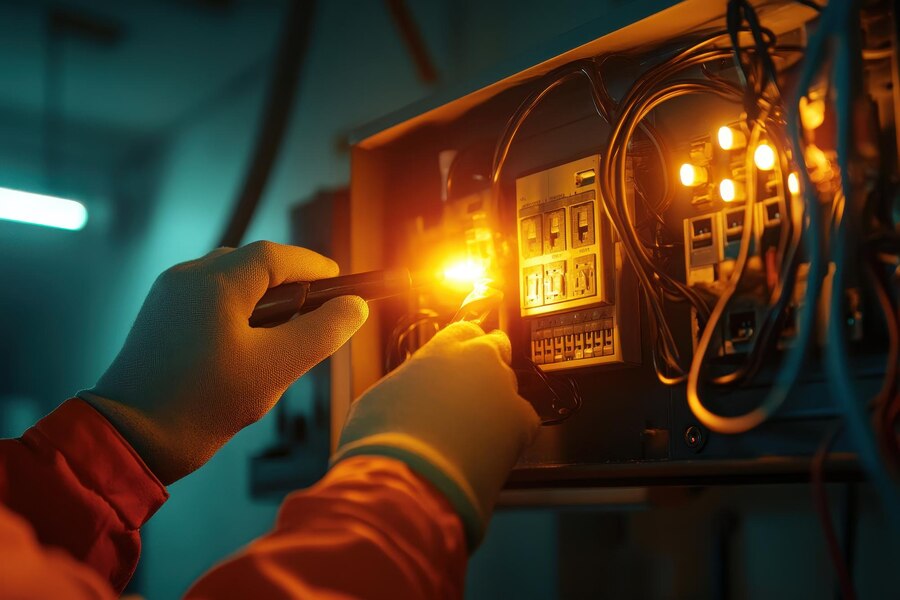
– Faulty wiring or electrical issues: Loose connections, damaged wires, or overloaded circuits can easily cause interruptions or unsafe operating conditions. These problems are harder to spot without a professional and shouldn’t be ignored.

Each of these issues requires a different fix, but all lead to one common outcome: your AC works harder than it should and trips the breaker. If the problem isn’t identified and addressed, it can cause recurring outages and reduce the lifespan of your system.

Warning Signs to Watch For

If your AC has tripped the circuit breaker once, you might shrug it off. But when it starts happening regularly, it’s a sign something’s off and shouldn’t be ignored. Catching the signs early can save you from more serious repairs or a full system failure.

Some of the most common warning signs include:

– Frequent breaker trips: If you find yourself heading to the breaker box multiple times a week to reset the AC, that’s a red flag. Trip patterns don’t happen randomly and usually follow increased strain on the system due to internal faults.
– Unusual noises: Buzzing, humming, clicking, or harsh banging sounds coming from your outdoor unit or vents could indicate parts straining or failing altogether. These noises often come before a component starts drawing too much power.
– Warm air from vents: This could mean the system isn’t cycling correctly or that refrigerant levels are low. Either way, your AC works harder than usual and can overload the circuit.
– Spikes in energy bills: A sudden jump in electricity usage often connects back to the AC system working inefficiently, which can tie directly into power overloads and breaker issues.

If you’re noticing more than one of these signs at the same time, your system might be approaching a failure point. It’s important to address these problems quickly before they lead to complete system failure or damage that could become costly and time-consuming to repair.

Solutions and Long-Term Prevention Tips

Once your AC starts tripping the breaker, the priority is to stop the immediate problem. But after that, the focus should shift to preventing the issue from happening again. Avoiding circuit overload in the first place will help keep your system running efficiently for the long haul.

Here’s how homeowners in Alvin can keep their AC in good shape:

1. Schedule regular maintenance: Small problems can hide easily inside an AC system. Catching them during an annual inspection helps prevent overloading and power draw issues before they start causing serious trouble.
2. Replace air filters regularly: Don’t wait until the filter looks dirty. Changing your filters every couple of months allows air to move freely and helps the system work the way it’s supposed to.
3. Keep the outdoor unit clear: Make sure that grass, weeds, or debris aren’t clogging the area around the condenser. Proper airflow means less strain on the compressor.
4. Don’t ignore early warning signs: Small sounds or inconsistent cooling might not seem like much, but they usually point to a larger issue forming.
5. Don’t overload circuits: Avoid running large appliances on the same circuit as your HVAC system, especially during long hot spells. That added load can cause breakers to trip.
6. Plan for annual inspections by technicians: Our professionals can test electrical components and identify potential electrical hazards that are easy to miss without the right tools or training.

Stay Cool and Comfortable in Alvin

Dealing with a tripped breaker during a heatwave can be inconvenient and stressful, especially when your home becomes uncomfortable fast. Taking care of small signs early and giving your HVAC system the regular attention it needs can stop these shutdowns from happening.

Remember, an AC that trips the circuit breaker isn’t just being overworked—it’s signaling that something deeper might be wrong. Keeping everything running safely and efficiently takes a mix of good habits and help from our technicians when things aren’t quite right. By focusing on preventative steps and acting quickly when something feels off, you’ll enjoy a cooler, more reliable home all summer long.

If your home in Alvin is facing issues like frequent circuit breaker trips and reduced AC efficiency, Davis Mechanical Contractors is ready to help. Explore how our professionals can provide reliable HVAC repair in Alvin to address these challenges effectively and prevent further damage. For a quick estimate or to book a service visit, please contact us today.

electrical

AC Tripping Your Circuit Breaker In Alvin: Here’s What Might Be Happening

When the temperature climbs in Alvin and your air conditioner becomes your home’s most important appliance, the last thing you want is for it to shut off unexpectedly. If your AC is constantly tripping your circuit breaker, it’s more than just a nuisance—it’s a sign that something isn’t working right. Knowing why this happens can help protect your HVAC system and keep your home comfortable.

An occasional trip might not seem like a big deal. But if it keeps happening, it usually means your system is drawing more power than it should. This can strain your AC unit, reduce efficiency, and leave your home uncomfortably warm. Below are the most common causes of an AC tripping the breaker and what might be going on behind the scenes.

How ACs Overload Breakers

Your AC relies on a steady, reliable power supply. When it’s running efficiently, it pulls just enough electricity to cycle on, cool the home, and cycle off again. But if it starts demanding too much electricity, usually because something’s wrong, it can trip the circuit breaker to prevent overheating or damage.

The breaker acts as a safety feature. It’s designed to shut off power when a circuit becomes overloaded. In the case of your AC, this often means the unit is overexerting itself. That could happen due to clogged parts, failing components, or issues with how electricity is flowing through the system. Tripping is the system’s way of telling you that it’s working too hard or something’s off.

For example, imagine a family in Alvin running their AC day and night during a heatwave. When they notice the unit shutting off and the breaker flipping repeatedly, they assume it’s a power issue. But the actual cause was a dirty coil that prevented airflow, forced the compressor to work overtime, and overloaded the system. The solution was a professional cleaning and inspection that identified the root problem before serious damage occurred.

If your AC is doing the same, it’s likely trying to protect itself. The important part is identifying what’s causing the overload, so the issue doesn’t lead to more expensive repairs down the line.

Top Reasons Your AC Breaker Keeps Tripping

Several things can cause your AC to draw more power than the circuit is designed to handle. These are the most common culprits:

– Dirty or clogged air filter: When filters are packed with dust and debris, air can’t pass through freely. This reduces efficiency and forces the system to pull more electricity just to keep the house cool.
– Low refrigerant: Without enough refrigerant, your system can’t cool properly. It overcompensates and may run too long, leading to overheating and tripped breakers.
– Faulty capacitor: A capacitor helps start the motor in your AC. If it’s failing, it could cause the unit to struggle during startup, drawing more electricity than it should.
– Failing compressor: The compressor handles a lot of the heavy lifting when it comes to cooling your home. When it’s worn out or malfunctioning, it stresses the entire system and increases power draw.
– Faulty wiring or electrical issues: Loose connections, damaged wires, or overloaded circuits can easily cause interruptions or unsafe operating conditions. These problems are harder to spot without a professional and shouldn’t be ignored.

Each of these issues requires a different fix, but all lead to one common outcome: your AC works harder than it should and trips the breaker. If the problem isn’t identified and addressed, it can cause recurring outages and reduce the lifespan of your system.

Warning Signs to Watch For

If your AC has tripped the circuit breaker once, you might shrug it off. But when it starts happening regularly, it’s a sign something’s off and shouldn’t be ignored. Catching the signs early can save you from more serious repairs or a full system failure.

Some of the most common warning signs include:

– Frequent breaker trips: If you find yourself heading to the breaker box multiple times a week to reset the AC, that’s a red flag. Trip patterns don’t happen randomly and usually follow increased strain on the system due to internal faults.
– Unusual noises: Buzzing, humming, clicking, or harsh banging sounds coming from your outdoor unit or vents could indicate parts straining or failing altogether. These noises often come before a component starts drawing too much power.
– Warm air from vents: This could mean the system isn’t cycling correctly or that refrigerant levels are low. Either way, your AC works harder than usual and can overload the circuit.
– Spikes in energy bills: A sudden jump in electricity usage often connects back to the AC system working inefficiently, which can tie directly into power overloads and breaker issues.

If you’re noticing more than one of these signs at the same time, your system might be approaching a failure point. It’s important to address these problems quickly before they lead to complete system failure or damage that could become costly and time-consuming to repair.

Solutions and Long-Term Prevention Tips

Once your AC starts tripping the breaker, the priority is to stop the immediate problem. But after that, the focus should shift to preventing the issue from happening again. Avoiding circuit overload in the first place will help keep your system running efficiently for the long haul.

Here’s how homeowners in Alvin can keep their AC in good shape:

1. Schedule regular maintenance: Small problems can hide easily inside an AC system. Catching them during an annual inspection helps prevent overloading and power draw issues before they start causing serious trouble.
2. Replace air filters regularly: Don’t wait until the filter looks dirty. Changing your filters every couple of months allows air to move freely and helps the system work the way it’s supposed to.
3. Keep the outdoor unit clear: Make sure that grass, weeds, or debris aren’t clogging the area around the condenser. Proper airflow means less strain on the compressor.
4. Don’t ignore early warning signs: Small sounds or inconsistent cooling might not seem like much, but they usually point to a larger issue forming.
5. Don’t overload circuits: Avoid running large appliances on the same circuit as your HVAC system, especially during long hot spells. That added load can cause breakers to trip.
6. Plan for annual inspections by technicians: Our professionals can test electrical components and identify potential electrical hazards that are easy to miss without the right tools or training.

Stay Cool and Comfortable in Alvin

Dealing with a tripped breaker during a heatwave can be inconvenient and stressful, especially when your home becomes uncomfortable fast. Taking care of small signs early and giving your HVAC system the regular attention it needs can stop these shutdowns from happening.

Remember, an AC that trips the circuit breaker isn’t just being overworked—it’s signaling that something deeper might be wrong. Keeping everything running safely and efficiently takes a mix of good habits and help from our technicians when things aren’t quite right. By focusing on preventative steps and acting quickly when something feels off, you’ll enjoy a cooler, more reliable home all summer long.

If your home in Alvin is facing issues like frequent circuit breaker trips and reduced AC efficiency, Davis Mechanical Contractors is ready to help. Explore how our professionals can provide reliable HVAC repair in Alvin to address these challenges effectively and prevent further damage. For a quick estimate or to book a service visit, please contact us today.