



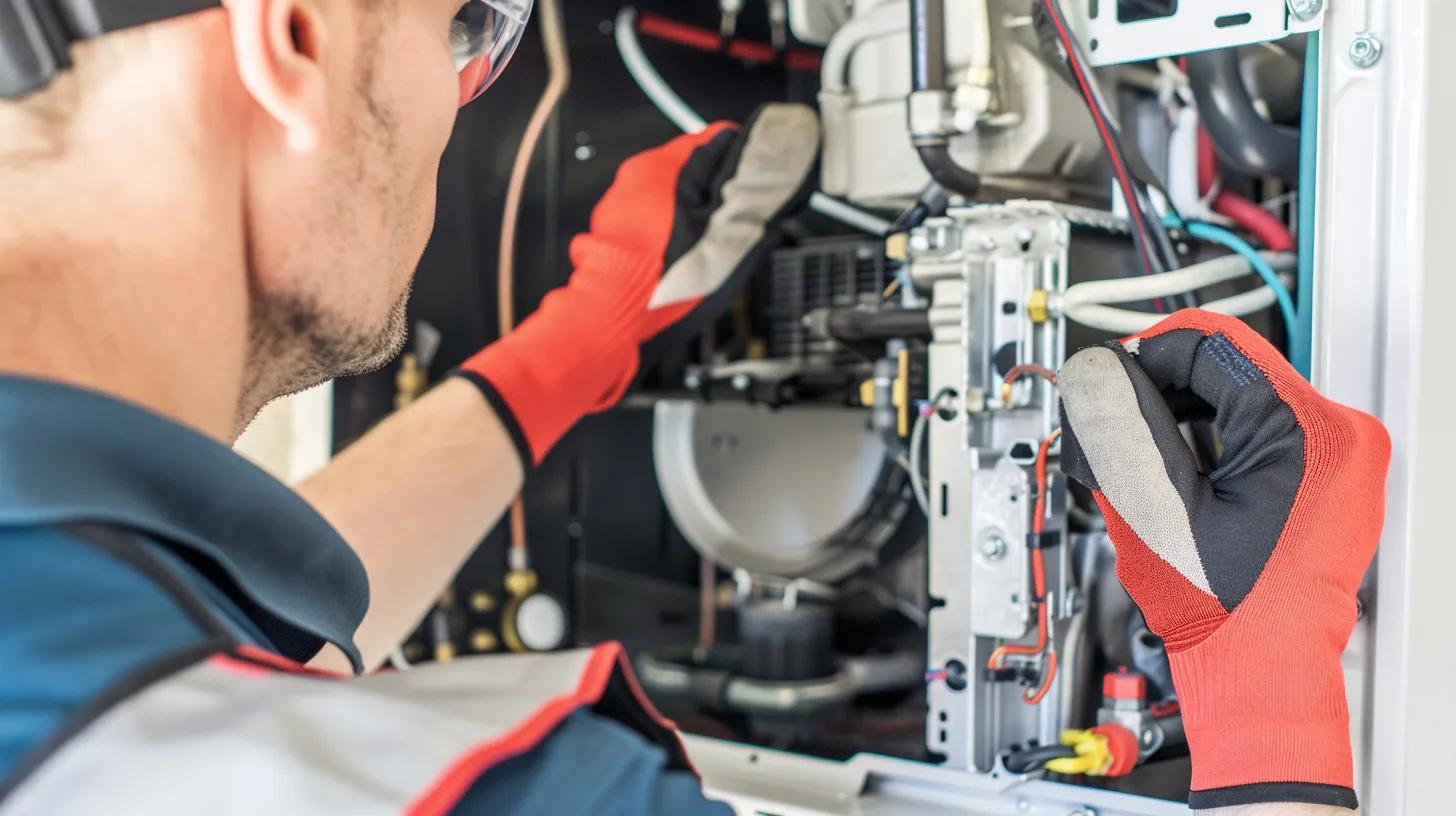
Minor Furnace Problems That Could Point to Bigger Issues — Troubleshooting & Repair Guidance
A working furnace keeps your home warm and comfortable during cold months. Small, easily ignored problems can be early warnings of larger failures that cost more to fix or create safety risks. Below, we walk through common minor furnace issues, what they can mean, when to call a pro, and how regular care helps. Use this guide to keep your heating running safely and efficiently. Staying informed about these issues empowers you to take timely action, ensuring your furnace operates reliably throughout the season.
What Are the Most Common Minor Furnace Problems?
Minor furnace problems often show up as simple symptoms that, if ignored, may turn into major repairs. Spotting these signs early helps protect comfort, safety, and your wallet. Common minor issues include:
- Thermostat Issues: A faulty thermostat can cause uneven temperatures or make the furnace run more than it should. This can lead to discomfort and unnecessary energy consumption.
- Pilot Light Failures: If the pilot light keeps going out, it could point to a bad thermocouple, a clogged pilot orifice, or gas supply problems. These issues can disrupt heating and pose safety concerns.
- Blower Motor Problems: When the blower motor isn’t working right, your home won’t heat evenly and energy use can jump. This can also cause the furnace to overheat or shut down unexpectedly.
Fixing these small problems quickly can prevent larger, more expensive repairs down the line. Early intervention not only saves money but also extends the life of your furnace and maintains a comfortable living environment.
How Does a Thermostat Malfunction Affect Furnace Performance?
A thermostat that misreads your home’s temperature makes the furnace run at the wrong times or for too long. That increases wear and raises energy bills. Common causes are dead batteries, wrong settings, or loose wiring. A quick check and occasional calibration keep the system balanced and efficient. Additionally, upgrading to a programmable or smart thermostat can optimize heating schedules and improve overall comfort.
What Causes Pilot Light Failures and How to Identify Them?
Pilot light problems can come from a failing thermocouple, a clogged pilot orifice, or interruptions in the gas supply. Check the flame color and stability: a steady blue flame is healthy, while a yellow or flickering flame suggests incomplete combustion. If you smell rotten eggs or sulfur, that can be a gas leak—turn off the gas and call a professional right away. Regular cleaning and inspection of the pilot assembly can help prevent these issues and ensure safe operation.
How Can Minor Furnace Symptoms Signal Major System Failures?
Small symptoms can be the first hint of bigger trouble. Ignoring them may lead to full breakdowns or safety hazards that are costlier to fix. Recognizing these early signs allows you to schedule timely repairs and avoid emergency situations. Proactive maintenance is key to preventing unexpected furnace failures and ensuring your home stays warm and safe.
- Safety Risks: Issues like gas leaks or electrical faults pose immediate dangers and should be addressed without delay. These risks can threaten your family’s health and property.
- Component Failures: Problems with parts such as the blower motor or heat exchanger can reduce efficiency and eventually cause system failure. Early detection can save you from costly replacements.
- Increased Repair Costs: Putting off repairs often results in more extensive damage and higher expense to restore the system. Timely fixes help maintain your furnace’s value and performance.
Which Furnace Component Issues Indicate Potential Safety Risks?
Certain component problems are particularly dangerous. A cracked or damaged heat exchanger can allow carbon monoxide into your home. Frayed wiring or loose electrical connections increase fire risk. If you suspect any of these, stop using the system and contact an HVAC professional immediately. Installing carbon monoxide detectors and scheduling regular safety inspections can provide additional protection for your household.
How Do Blower Motor Problems Lead to Heating System Breakdown?
The blower motor moves warm air through your home. When it fails or struggles, you’ll notice weak or uneven heating and higher energy use. Continued operation with a failing blower can overheat other parts and cause further damage. Scheduled maintenance and quick repairs help avoid a chain reaction of failures. Lubricating motor bearings and replacing worn belts are simple steps that can extend blower motor life.
When Should You Call for Professional Furnace Repair?
Knowing when to call a technician keeps your home safe and prevents more costly fixes. Watch for these signs that it’s time to get professional help:
- Unusual Noises: Banging, clanking, or high-pitched squeals suggest mechanical trouble needing a tech’s attention. Ignoring these sounds can lead to complete system failure.
- Inconsistent Heating: Rooms that won’t warm up or big temperature swings can indicate furnace or ductwork problems. This can affect comfort and increase energy bills.
- Frequent Cycling: If the furnace turns on and off too often, the thermostat or internal components may be failing. This short cycling stresses the system and reduces efficiency.
What Are the Urgent Signs of Furnace Failure to Watch For?
Urgent signs include:
- Strong Gas Odors: A pronounced smell of gas is an emergency—shut off the gas if safe to do so and call a professional immediately. Never ignore this warning as it poses a serious explosion risk.
- Yellow Pilot Light: A yellow flame can mean incomplete combustion and possible carbon monoxide risk. This requires immediate inspection and repair.
- Increased Energy Bills: A sudden, unexplained spike in heating costs often points to a system running inefficiently. This can be caused by failing components or poor maintenance.
How Does Early Diagnosis Prevent Costly Furnace Repairs?
Finding and fixing small issues early saves money. Routine inspections catch wear and prevent breakdowns, often avoiding the need for major repairs or a full system replacement. Regular tune-ups help your furnace run reliably and efficiently. Early diagnosis also improves safety by identifying hazards before they escalate, giving you peace of mind during the cold season.
What Are the Benefits of Preventative Furnace Maintenance?
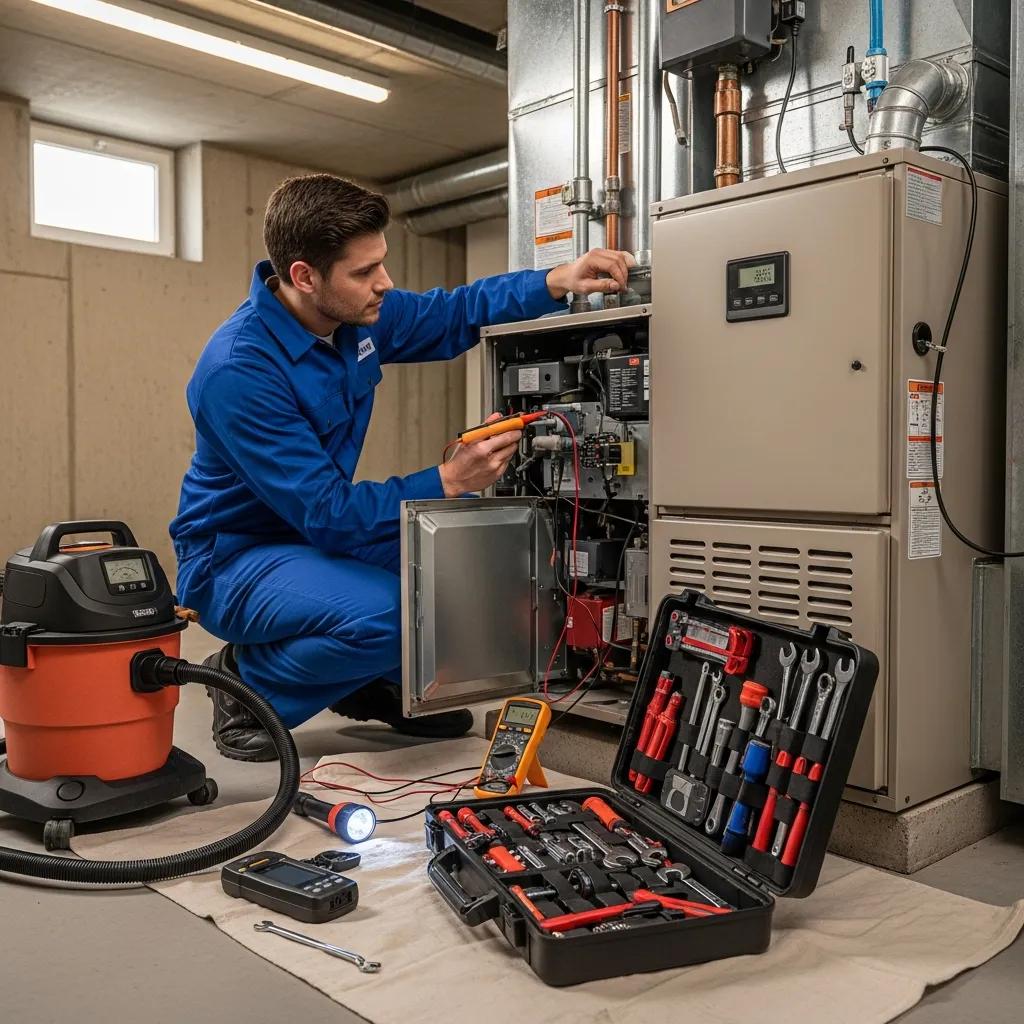
Preventative maintenance keeps your furnace running safely and efficiently. Regular service delivers several clear benefits:
- Improved Efficiency: Cleaning and tune-ups help the furnace use less energy and lower your bills. This also reduces your environmental footprint by minimizing wasted energy.
- Extended Lifespan: Routine care reduces wear and delays the need for a costly replacement. Well-maintained furnaces can last well beyond their expected service life.
- Enhanced Safety: Inspections find hazards like gas leaks or electrical issues before they become dangerous. This proactive approach protects your family and property.
Additionally, preventative maintenance can improve indoor air quality by ensuring filters and vents are clean, reducing allergens and dust circulation.
How Often Should You Schedule Furnace Maintenance in Alvin TX?
In Alvin, TX, we recommend a yearly furnace check—ideally before heating season starts. That gives technicians a chance to spot and fix small issues so your system runs smoothly all winter. If you notice odd sounds, smells, or performance problems, schedule an extra check right away. Seasonal maintenance aligns with local climate patterns, helping your furnace handle temperature fluctuations effectively.
How Does Regular Maintenance Improve Furnace Longevity and Safety?
Regular maintenance ensures parts are working as they should and reduces premature wear. That lowers the chance of sudden failures and helps prevent safety hazards like gas leaks or electrical faults. With annual service, your furnace stays safer and lasts longer. Maintenance also helps maintain manufacturer warranties, which often require proof of regular servicing.
How to Choose the Right HVAC Service for Furnace Repair and Maintenance?
Picking the right HVAC company matters. Use these criteria to find a reliable provider:
- Experience and Expertise: Choose a company with a solid history in furnace repair and maintenance. Experienced technicians are better equipped to diagnose and fix complex issues.
- Customer Reviews: Read testimonials and online reviews to see how they treat customers and handle jobs. Positive feedback indicates trustworthy service.
- Transparent Pricing: Look for clear, written estimates so you know what to expect before work begins. Avoid companies that provide vague or verbal quotes only.
What Makes Davis Mechanical Contractors a Trusted Furnace Repair Provider?
Davis Mechanical Contractors is a local Alvin, TX HVAC company focused on prompt, dependable service and accurate diagnostics. We prioritize clear communication, fair pricing, and long-term solutions so homeowners get safe, efficient heating that lasts. Our team is fully licensed and insured, with a commitment to customer satisfaction and quality workmanship.
How to Verify Transparent Pricing and Expert Diagnostics in HVAC Services?
To confirm a provider’s transparency and skill, you should:
- Request Detailed Estimates: Ask for a written breakdown of parts, labor, and any fees. This helps avoid surprises and allows you to compare offers.
- Inquire About Diagnostic Procedures: A good tech will explain how they diagnose problems and why a repair is needed. Understanding the process builds trust and confidence.
- Check for Certifications: Look for licenses or industry affiliations that show professional standards and training. Certified technicians are more likely to provide quality service.
| Furnace Issue | Common Signs | Possible Bigger Problems |
|---|---|---|
| Thermostat Issues | Inconsistent temperatures | Inefficient heating, higher energy bills |
| Pilot Light Failures | Flickering or yellow flame | Gas supply problems, carbon monoxide risk |
| Blower Motor Problems | Weak or uneven heating | System breakdown, increased energy use |
This quick reference shows common minor furnace problems, the symptoms to watch for, and the larger issues they can lead to if not corrected promptly. Keeping this table handy can help you quickly identify when to take action or seek professional help.
Understanding these minor signs helps you protect your home and avoid unexpected repair costs. Stay proactive with maintenance and choose a trustworthy HVAC partner—like Davis Mechanical Contractors—to keep your heating system safe and reliable. Partnering with experts ensures your furnace receives the care it needs for optimal performance year after year.
Frequently Asked Questions
What are the signs that my furnace needs immediate attention?
Get help right away if you notice a strong gas smell, a yellow pilot light, or loud banging or clanking noises. These can indicate gas leaks, combustion issues, or mechanical failures that threaten safety. Also call a pro if your furnace is short-cycling or large parts of your home aren’t getting warm. Prompt response to these signs can prevent emergencies and costly damage.
How can I improve my furnace's efficiency?
Keep filters clean, seal drafts in your home, and schedule annual inspections. Make sure the thermostat is working correctly and set to reasonable temperatures. These simple steps reduce strain on the system and lower energy costs. Additionally, consider upgrading insulation and using programmable thermostats to optimize heating schedules.
What should I do if my furnace is blowing cold air?
First, check that the thermostat is set to “heat” and the temperature setting is higher than the room. Replace or inspect the air filter—overly dirty filters can block airflow. If those don’t fix it, the problem may be a faulty pilot light, ignition issue, or blower motor—call an HVAC technician. Avoid attempting complex repairs yourself to ensure safety and proper diagnosis.
Can I perform furnace repairs myself?
Basic maintenance like replacing filters or clearing vents is fine for homeowners. Most repairs—especially anything involving gas lines, wiring, or internal components—should be handled by qualified technicians to avoid safety risks and ensure proper repairs. DIY repairs on critical components can void warranties and create hazards.
How can I tell if my furnace is too old and needs replacement?
Furnaces typically last 15–20 years. Consider replacement if your unit is near that age and needs frequent repairs, delivers inconsistent heating, or shows a sharp rise in energy bills. Upgrading to a modern, energy-efficient model can save money and improve comfort. Newer models also offer advanced features like variable speed blowers and smart controls.
What are the benefits of hiring a professional for furnace maintenance?
Professionals provide thorough inspections, accurate diagnostics, and safe repairs. They catch small problems before they grow, keep your system efficient, and ensure work meets local codes. That expertise delivers peace of mind and often lower long-term costs. Additionally, professionals can advise on system upgrades and energy-saving opportunities tailored to your home.
Conclusion
Addressing minor furnace issues early keeps your home safer and prevents costly breakdowns. Regular maintenance improves performance and extends equipment life. For dependable service and clear pricing, trust a local team like Davis Mechanical Contractors. Schedule a checkup today to keep your heating system running smoothly. Taking proactive steps now ensures your comfort and safety throughout the cold months ahead.