The Evolution of Furnaces
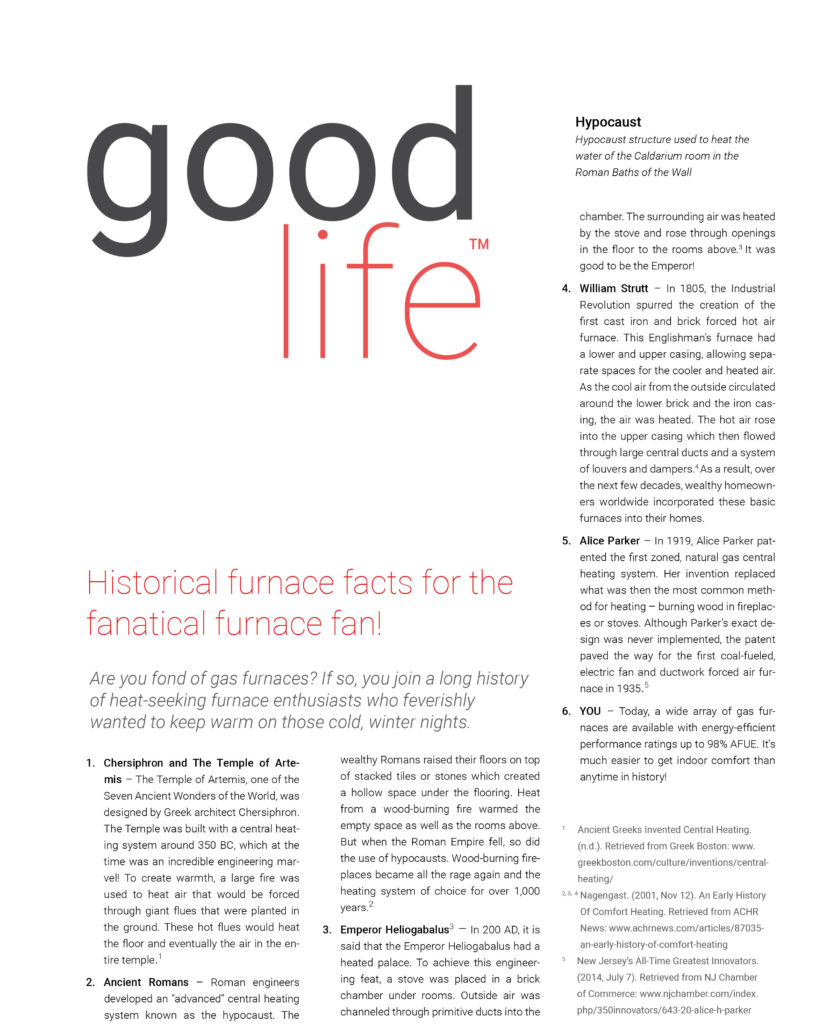
The history of furnaces dates back centuries, showcasing a remarkable evolution in technology and design. Early heating systems relied on open fires and wood-burning stoves, which gradually transformed into more efficient models as industrial advancements took place.
For instance, the introduction of cast iron furnaces in the 19th century marked a significant leap in heating efficiency. These innovations not only improved heat distribution but also enhanced safety, paving the way for modern heating systems that prioritize both comfort and energy efficiency.
Types of Furnaces and Their Features
Understanding the different types of furnaces is essential for homeowners and enthusiasts alike. The most common types include gas, electric, and oil furnaces, each offering distinct advantages and operational mechanics.
Gas furnaces, for example, are known for their efficiency and lower operating costs, while electric furnaces provide a cleaner alternative with easier installation. Oil furnaces, though less common today, still serve as a reliable heating source in certain regions, demonstrating the diversity of options available in the market.
Maintenance Tips for Optimal Furnace Performance
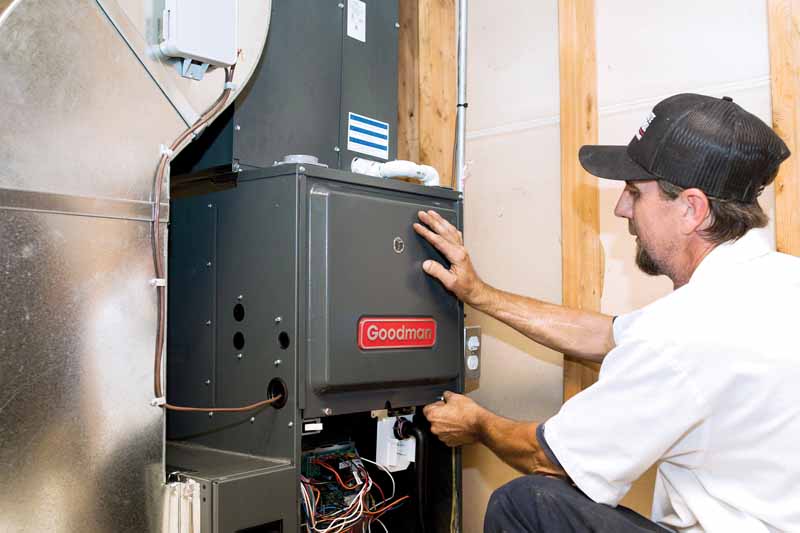
Regular maintenance is crucial for ensuring the longevity and efficiency of your furnace. Homeowners should schedule annual inspections by a qualified technician to identify potential issues before they escalate.
Additionally, simple tasks such as replacing air filters regularly and keeping vents clear can significantly improve airflow and heating efficiency. Implementing these maintenance practices not only enhances performance but also contributes to energy savings in the long run.
Common Furnace Problems and Solutions
Furnaces can encounter a variety of issues, ranging from minor malfunctions to major breakdowns. Common problems include unusual noises, insufficient heating, and pilot light issues, each requiring specific troubleshooting approaches.
For example, if your furnace is making a rattling sound, it could indicate loose components that need tightening. In contrast, a furnace that fails to produce heat may require a professional inspection to address potential thermostat or ignition problems, ensuring your home remains warm and comfortable.