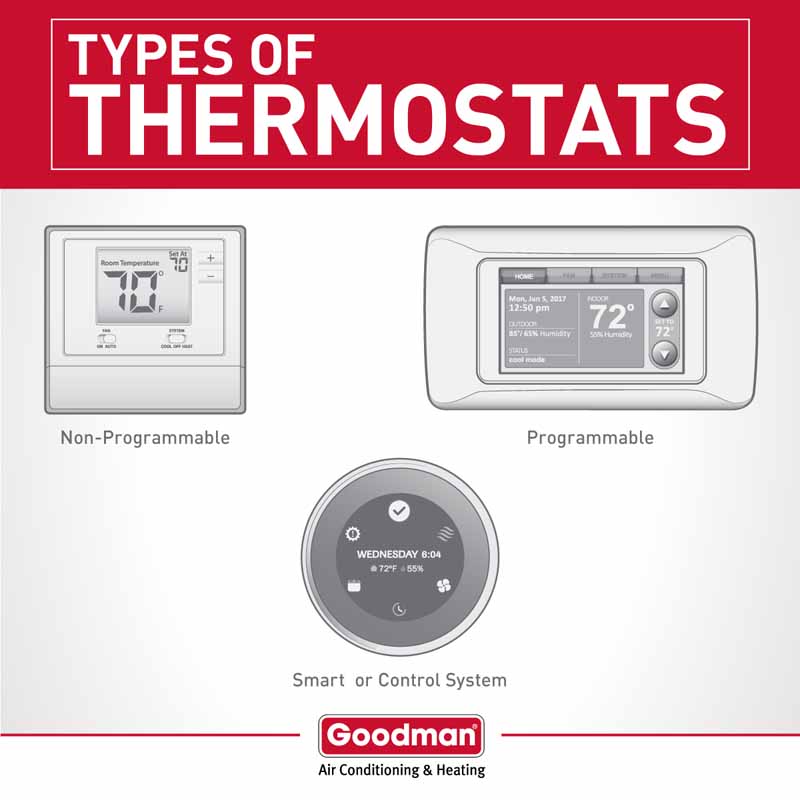
Understanding Programmable Thermostats
Programmable thermostats are advanced devices that allow users to set specific heating and cooling schedules, optimizing energy usage throughout the day. By programming temperature changes based on daily routines, homeowners can ensure their systems operate efficiently, reducing unnecessary energy consumption.
These devices often come with features such as Wi-Fi connectivity, enabling remote access via smartphones. This means users can adjust their home’s temperature even when they are away, ensuring comfort upon return while maximizing energy savings during unoccupied hours.
Energy Efficiency Benefits
One of the primary advantages of using programmable thermostats is their ability to significantly enhance energy efficiency in homes. By allowing users to set lower temperatures during the night or when no one is home, these devices can lead to substantial reductions in energy bills over time.
According to the U.S. Department of Energy, homeowners can save up to 10% on heating and cooling costs by simply lowering the thermostat by 7 to 10 degrees for eight hours a day. This not only helps in saving money but also contributes to a more sustainable environment by reducing overall energy demand.
Improved Comfort and Convenience
Programmable thermostats provide a level of convenience that traditional thermostats cannot match. Users can pre-program their desired temperatures for different times of the day, ensuring that their home is always at the perfect temperature when they need it.
For instance, many homeowners prefer a warmer environment in the morning when they wake up and a cooler setting during the night. With programmable thermostats, these preferences can be easily managed, leading to a more comfortable living space without the constant need for manual adjustments.
Choosing the Right Programmable Thermostat
Selecting the right programmable thermostat involves considering several factors such as compatibility with existing HVAC systems, ease of use, and available features. Homeowners should look for models that offer intuitive interfaces and the ability to connect to smart home systems for enhanced functionality.
Additionally, some thermostats come with learning capabilities, adapting to the homeowner's schedule over time for even more efficient operation. Researching customer reviews and seeking professional advice can also help in making an informed decision that best suits individual needs.