Importance of HVAC Maintenance in Winter
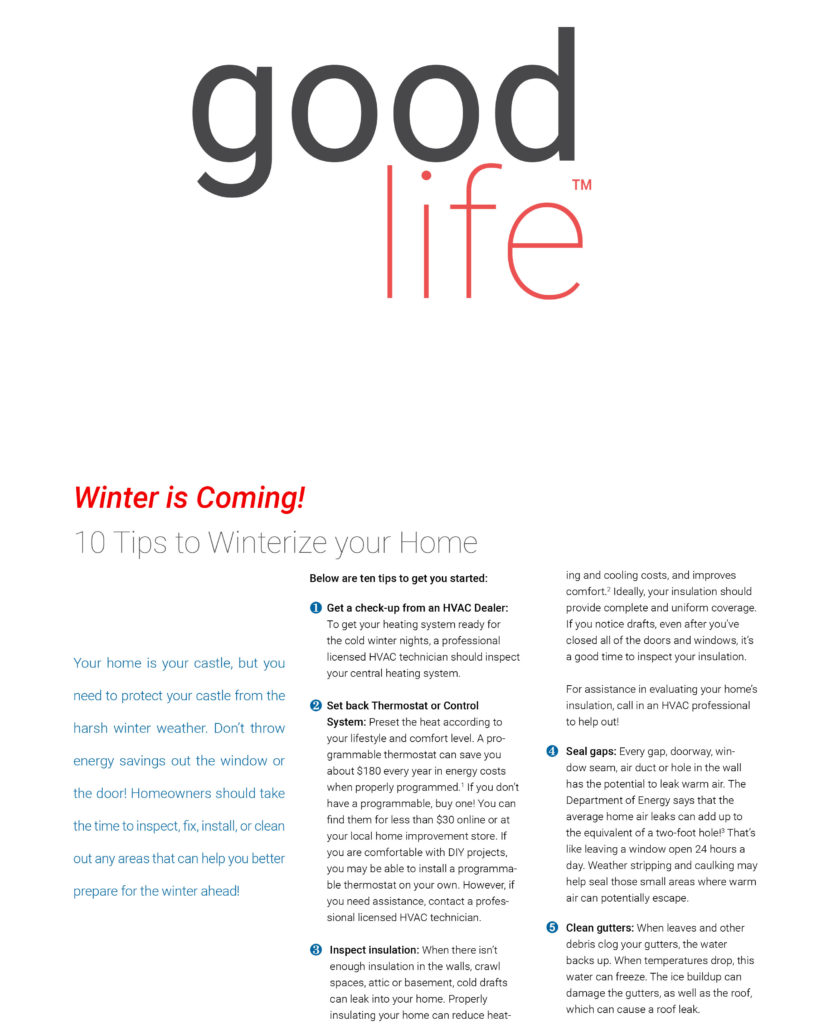
Regular HVAC maintenance is crucial for ensuring your heating system operates efficiently during the winter months. Homeowners often overlook this aspect, but a well-maintained system can prevent unexpected breakdowns and costly repairs.
For instance, scheduling a professional inspection before the cold weather sets in can help identify potential issues such as worn-out parts or insufficient airflow. This proactive approach not only enhances comfort but also extends the lifespan of your HVAC system, ensuring it runs smoothly throughout the winter season.
Effective Insulation Techniques for Homeowners
Proper insulation plays a vital role in maintaining a comfortable temperature in your home during winter. It acts as a barrier against cold air infiltration, helping to reduce energy costs and improve overall efficiency.
Homeowners should consider upgrading insulation in key areas such as attics, basements, and crawl spaces. Using materials like fiberglass batts or spray foam can significantly enhance thermal resistance, keeping your home warm and cozy while lowering heating expenses.
Common Winterizing Mistakes to Avoid
When preparing your home for winter, it’s easy to make mistakes that can lead to inefficiencies or damage. Common errors include neglecting to check for drafts or failing to clean gutters, which can cause ice dams and other issues.
To prevent these pitfalls, homeowners should conduct thorough inspections and address small problems before they escalate. For example, sealing gaps around windows and doors with weatherstripping can dramatically improve your home’s energy efficiency and comfort during the colder months.
Energy Efficiency Tips for Winter Heating
Enhancing energy efficiency during winter not only saves you money but also contributes to a more sustainable environment. Simple adjustments can lead to significant improvements in how your home retains heat.
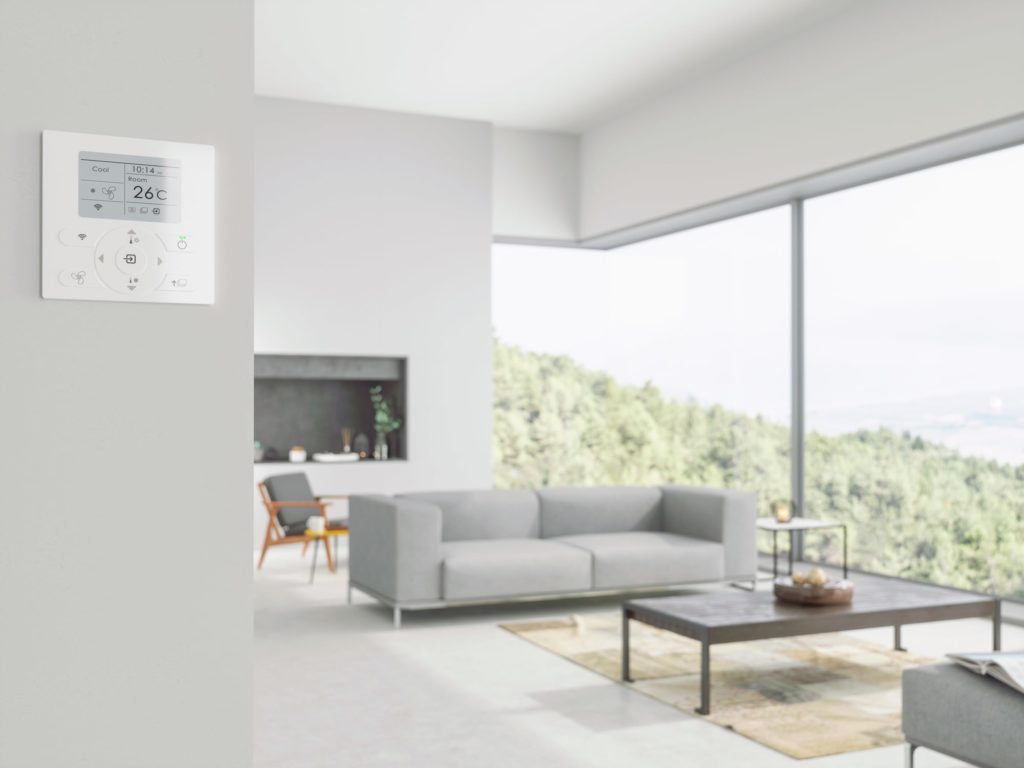
Consider using programmable thermostats to optimize heating schedules based on your daily routines. Additionally, layering your clothing and using blankets can help maintain comfort without over-relying on your heating system, ultimately reducing energy consumption.